

/
/
Artemis II astronaut clicks Moon photos from space using iPhone 17 Pro Max with 8x zoom. NASA shares stunning lunar images from Orion spacecraft.
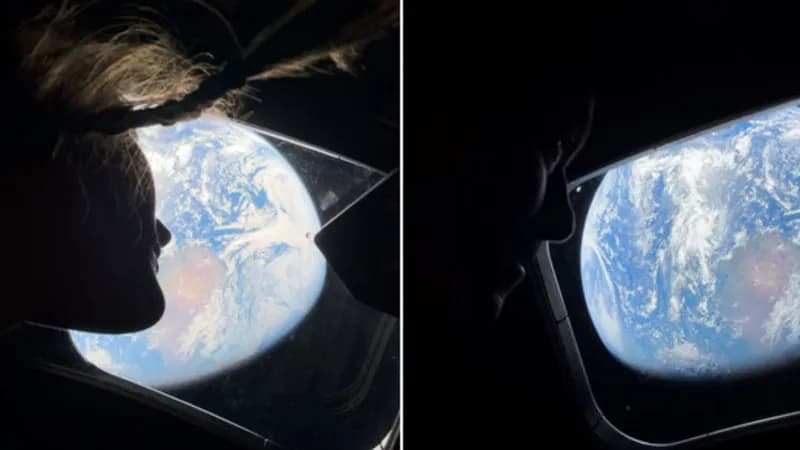
Here’s something that genuinely feels unreal, an iPhone 17 Pro Max Moon photo clicked from deep space. Yes, not a DSLR, not a billion-dollar telescope, but a smartphone you could technically buy.
During the historic Artemis II mission, astronauts aboard the Orion spacecraft have been sharing jaw-dropping visuals of space. But one image, in particular, has grabbed global attention, a detailed shot of the Moon’s surface taken using the iPhone 17 Pro Max at 8x zoom.
And honestly? It’s not just impressive, it’s symbolic of where technology is heading.
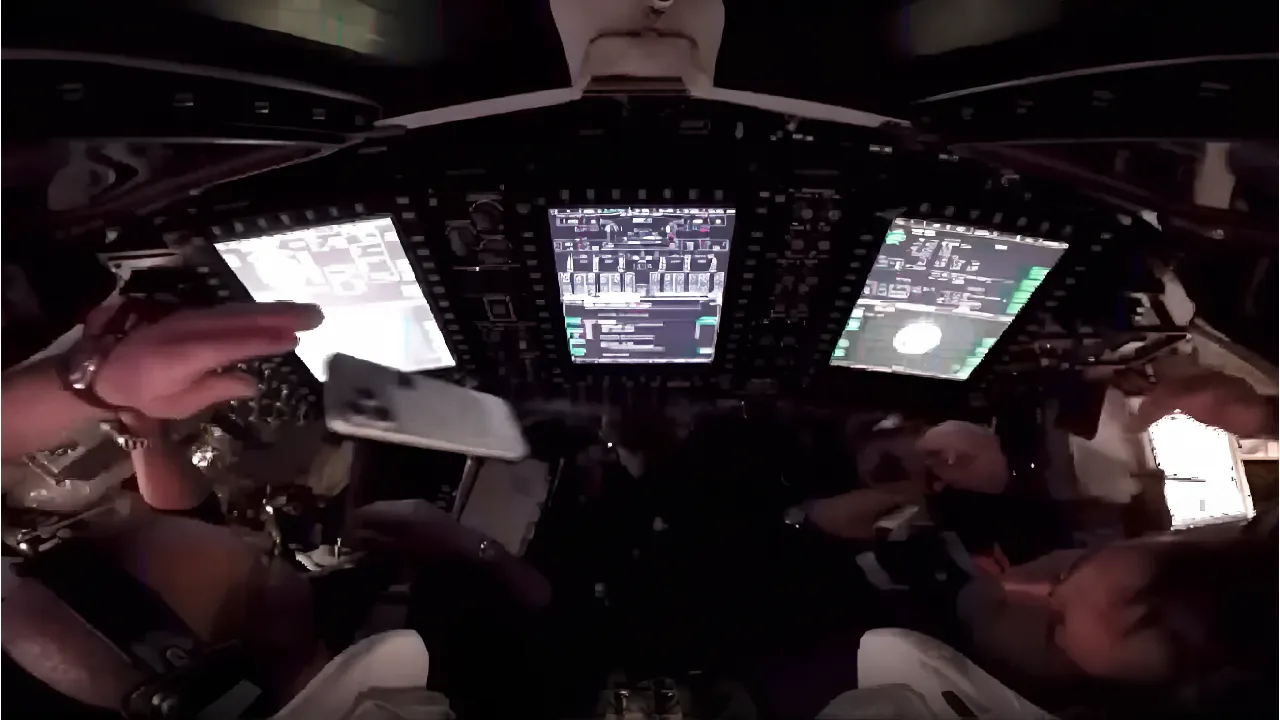
The viral image was captured by astronaut Reid Wiseman and later showcased during a NASA livestream. The photo reportedly highlights the Chebyshev crater on the far side of the Moon, something we usually only see in processed scientific imagery.
What makes this different is the rawness. This isn’t just “space photography.” It feels human. And that’s exactly the point.
NASA didn’t send these phones for scientific documentation. They sent them so astronauts could capture moments the way we all do, quick, personal, emotional.
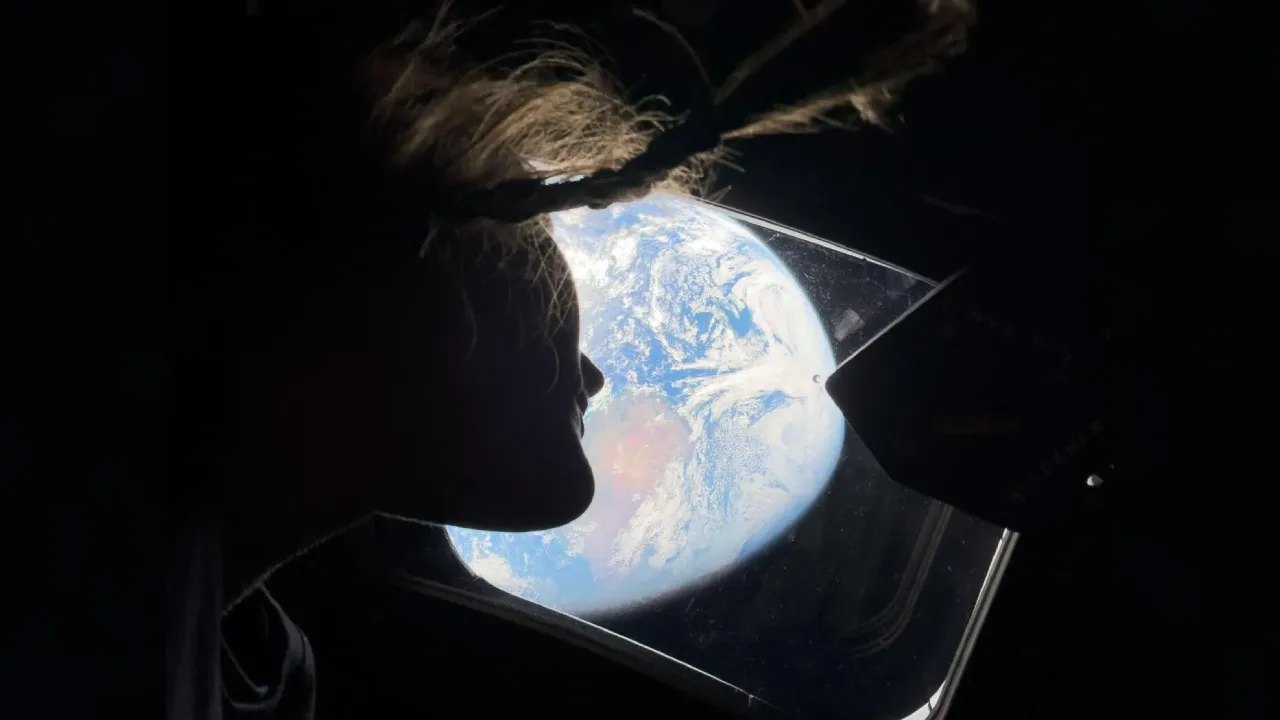
Let’s be clear: sending a smartphone into deep space is not a casual decision. NASA treated the iPhone like any critical hardware.
Here’s what had to be checked before approval:
In short, this wasn’t your regular iPhone setup. It was a restricted “space mode” version, designed to function safely inside the Orion spacecraft.
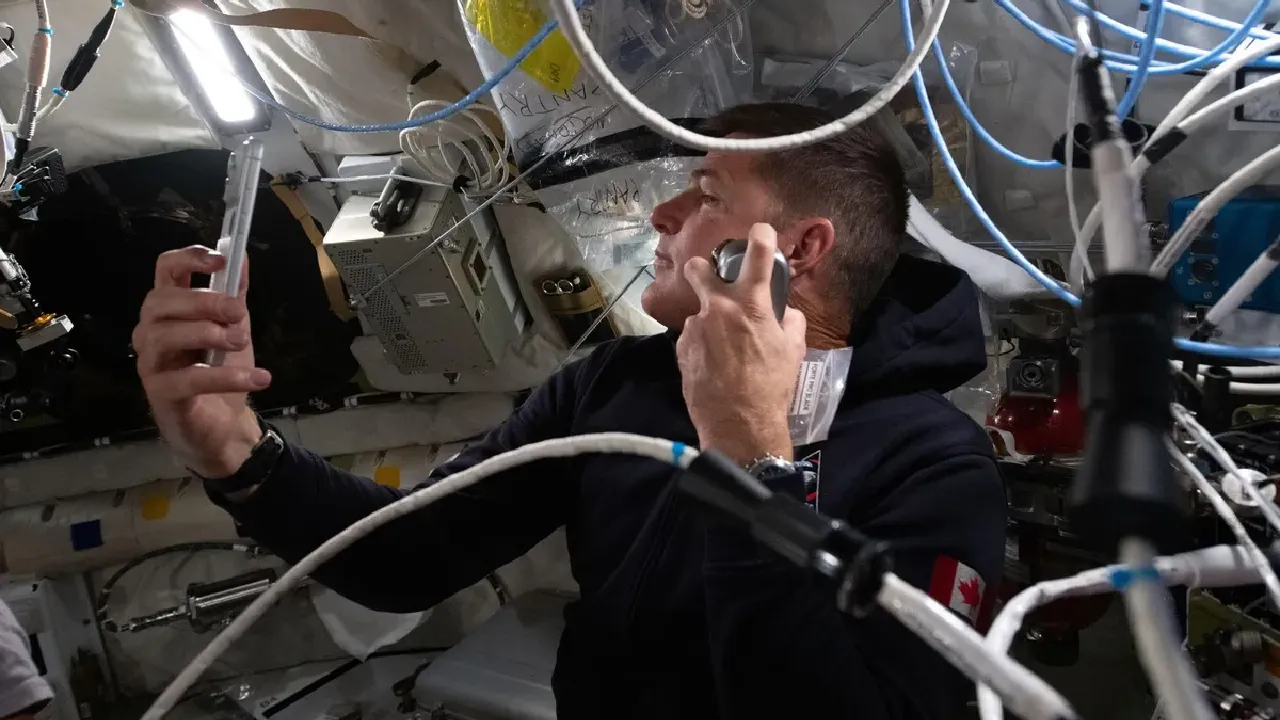
Here’s the catch, the iPhone used in the Artemis II mission isn’t exactly the same as yours.
NASA locked it down in what’s often called “Space Mode”:
In simple terms, it’s no longer a “smartphone”, it’s a compact, highly capable camera. And honestly, that’s exactly where it shines.
iPhone 17 Pro is in space. What a way to celebrate 50 years. https://t.co/0PGUtnxCqD
— AppleLeaker (@LeakerApple) April 2, 2026
Let’s not get carried away, the iPhone isn’t replacing high-end cameras just yet.
The Artemis II crew still relies on:
But here’s where the iPhone wins: speed and accessibility.
In space, where every second matters, pulling out a phone and snapping a shot is far easier than setting up a DSLR. That’s exactly why this iPhone 17 Pro Max Moon photo stands out, it’s spontaneous, not staged.
I also can't stop thinking about how this might be the greatest missed opportunity in marketing history if Apple doesn't have a billboard of these saying "Shot on iPhone" lol
— Marques Brownlee (@MKBHD) April 6, 2026
NASA astronauts have been allowed to use their phones in space, and Commander Reid Wiseman and Mission… pic.twitter.com/1ACCBTn7QN
I’ll say this straight, this is one of the smartest “unintentional ads” Apple could ever get.
The fact that a consumer smartphone, without AI-enhanced fake zoom, can capture the Moon directly from orbit is huge. Compare that to Earth-based “moon shots” enhanced by software, and this feels far more authentic.
And no, Apple wasn’t even involved in the certification process. NASA handled everything independently. That makes it even more impressive.
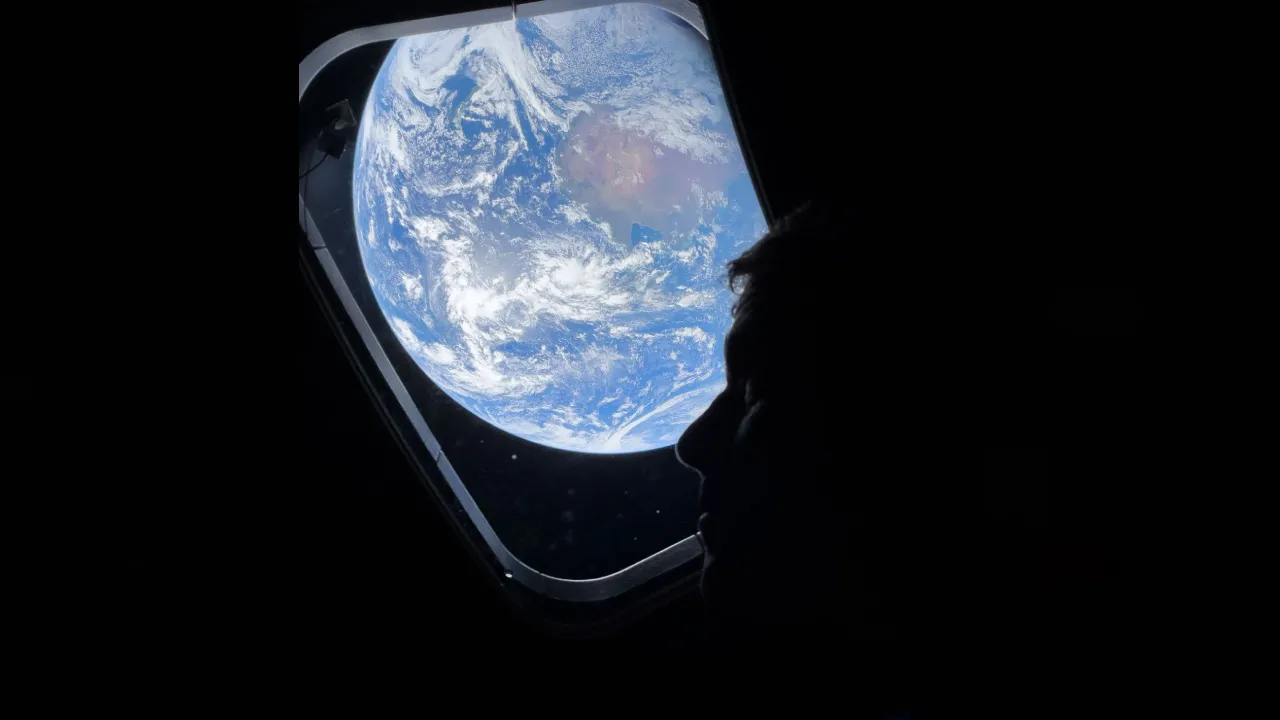
Online reactions have been wild, and honestly, relatable:
And they’re not wrong. Because this isn’t just a tech story. It’s a cultural moment.
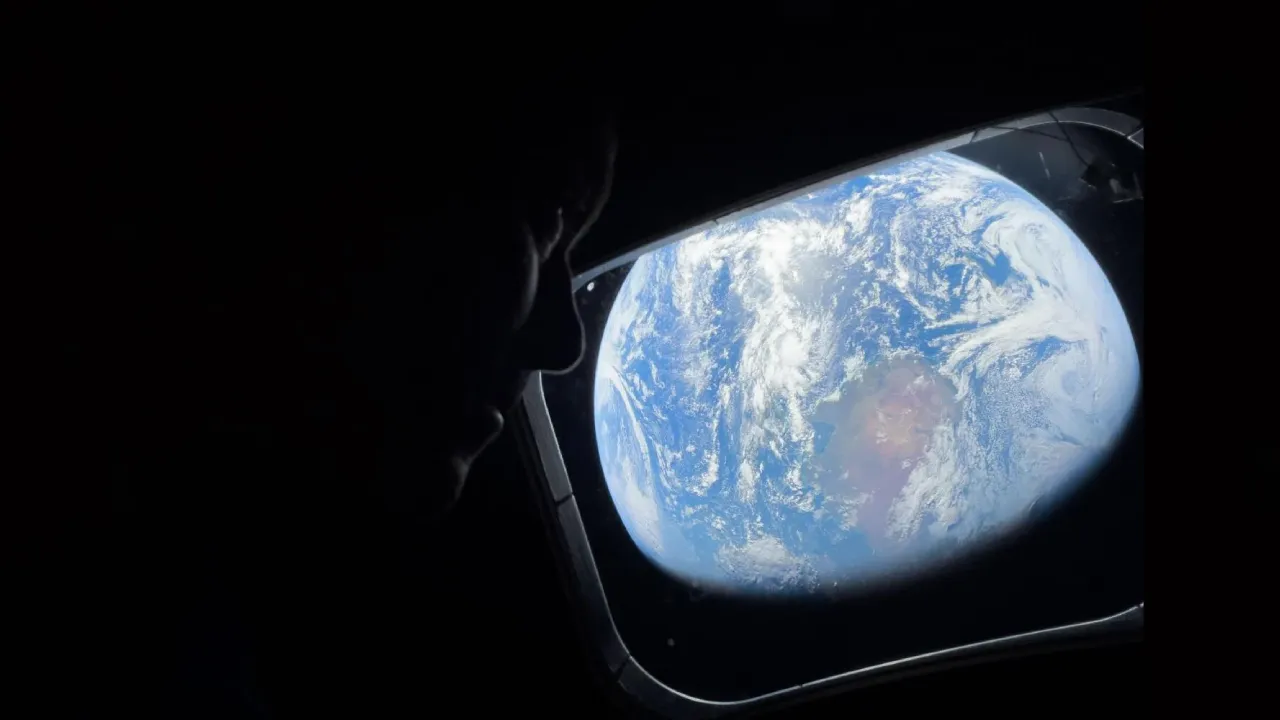
This mission is already historic. The Artemis II crew traveled nearly 250,000 miles from Earth, the farthest humans have gone in over 50 years. They are expected to return with a splashdown near San Diego around April 10.
But beyond records and milestones, something else is happening.
Space is becoming… relatable.
When you see astronauts taking selfies, using phones as mirrors, or capturing the Moon like any of us would, it breaks the barrier between “them” and “us.” And honestly, that matters more than any spec sheet.
The iPhone 17 Pro Max Moon photo isn’t just a viral image, it’s a shift in storytelling. It shows that space exploration is no longer just about scientists and engineers. It’s about human experience. And sometimes, all it takes to capture that is a phone in your pocket. And if this is what smartphones can do today, imagine what the next decade holds.










