

/
/
Google Veo 3.1 Lite is here with half the cost and same speed as Veo Fast. Check features, pricing, and why it matters for AI video creators.
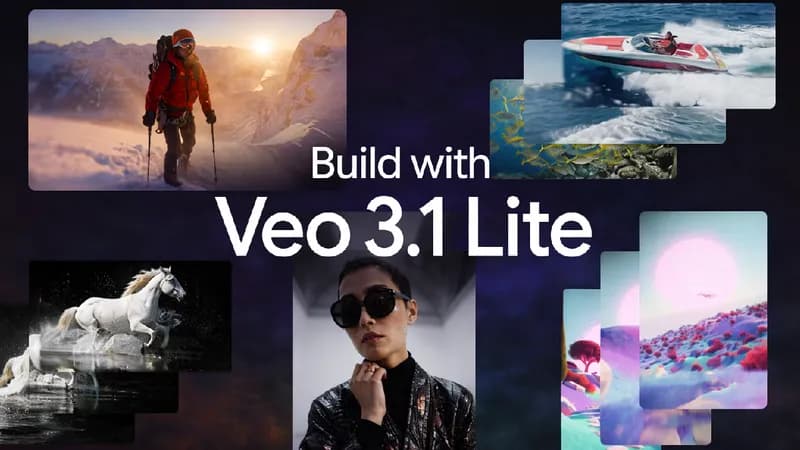
If AI video felt expensive and out of reach until now, this changes everything.
Google Veo 3.1 Lite has officially arrived, and it’s clearly built to shake up the AI video space in a big way.
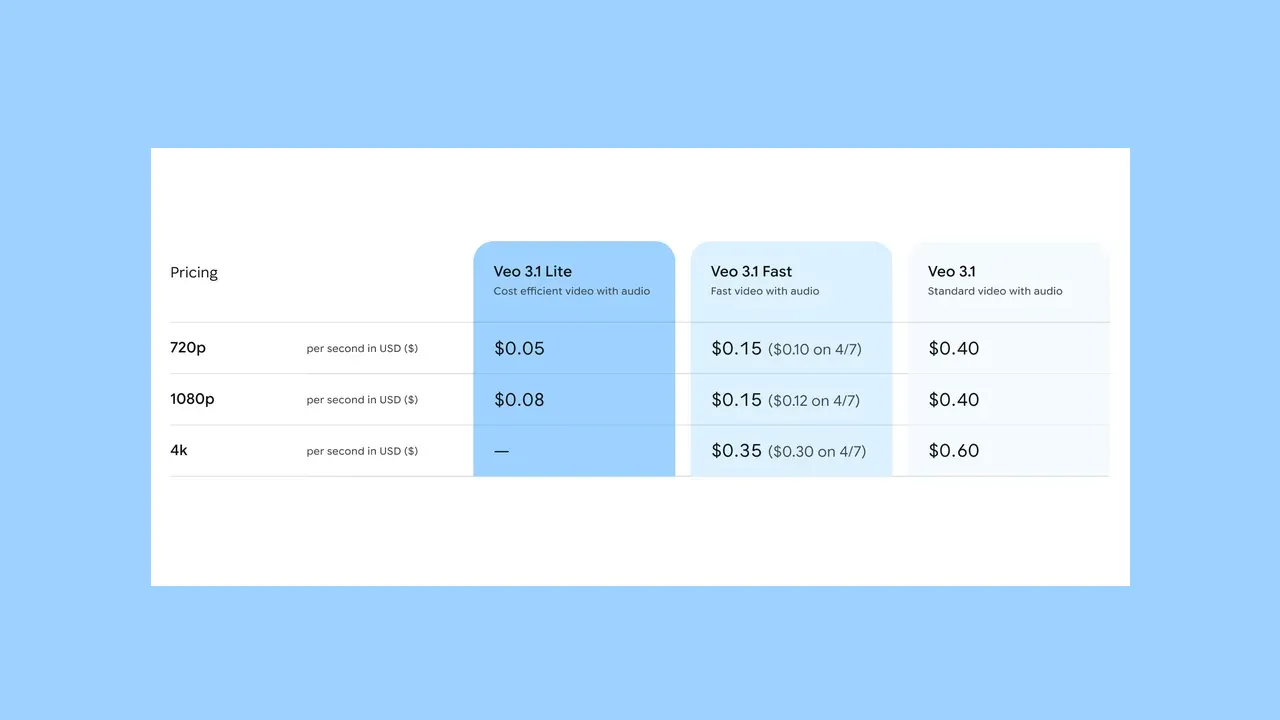
In a fresh announcement, Google introduced its most cost-effective video generation model yet. The highlight? It delivers nearly the same speed as its premium version but at less than half the cost. That’s not just an upgrade, it’s a clear push to make AI video mainstream.
Google Veo 3.1 Lite is a new AI video generation model designed mainly for developers and platforms that need to create large volumes of videos quickly and affordably.
It supports both:
This means you can generate videos from simple prompts or images, something that’s quickly becoming the backbone of modern content creation.
But here’s the real story, this launch isn’t just about features. It’s about scale.
Google is shifting AI video from “cool demos” to real-world usage, think social media clips, automated ads, and short-form content factories.
Let’s talk about money, because that’s where this model really stands out.
This pricing strategy makes one thing clear: Google wants AI video everywhere.
In my view, this is a direct move to dominate the AI content market. Lower pricing means more developers will experiment, build, and scale, fast.
Everything about Google Veo 3.1 Lite screams short-form dominance. Here’s what you actually get with this new model:
Resolution: 720p and 1080p
Aspect Ratios:
Video Duration Options:
Generation Types: Text-to-video and image-to-video
These short-duration formats are clearly optimized for platforms like reels, shorts, and ads. This model is not for long films, it’s built for high-volume, quick content production.
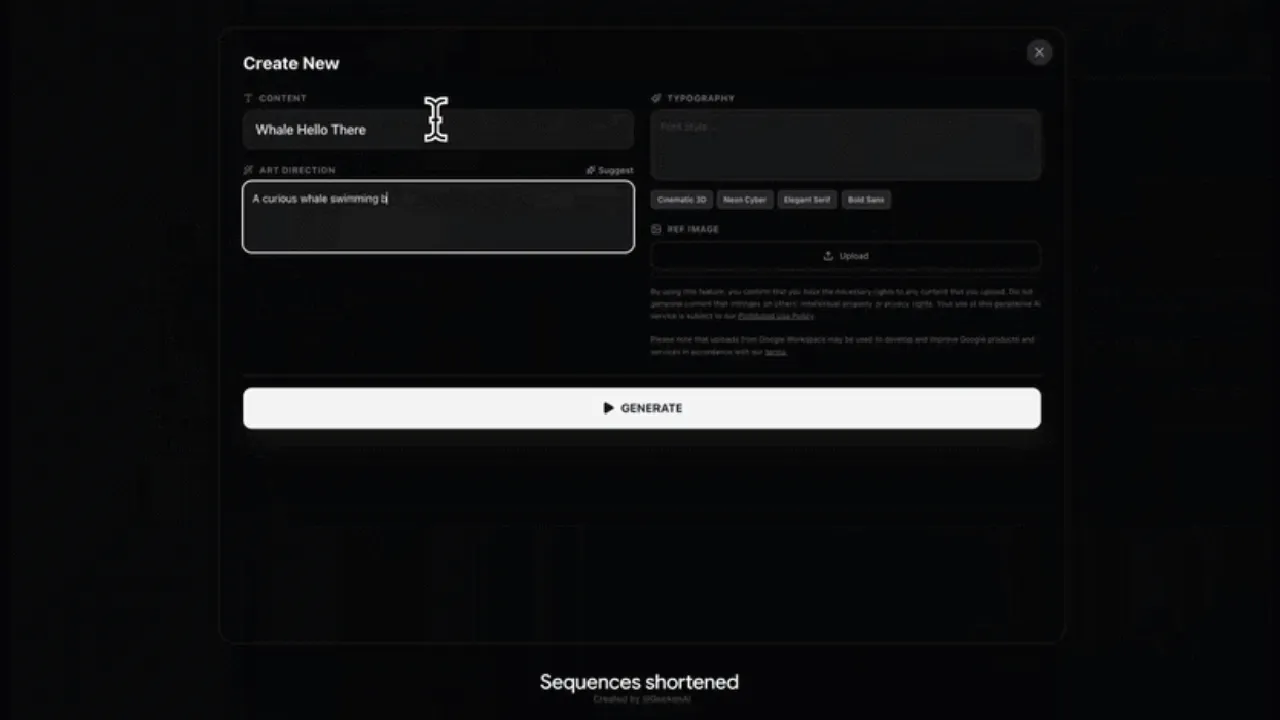
Google Veo 3.1 Lite is currently available via the paid tier of the Gemini API and Google AI Studio.
This means developers can integrate video generation directly into apps, automate content pipelines as well as control cost based on video length and resolution.
From a technical perspective, the model uses advanced transformer-based architecture, which helps maintain better consistency across frames, something older AI video tools struggled with.
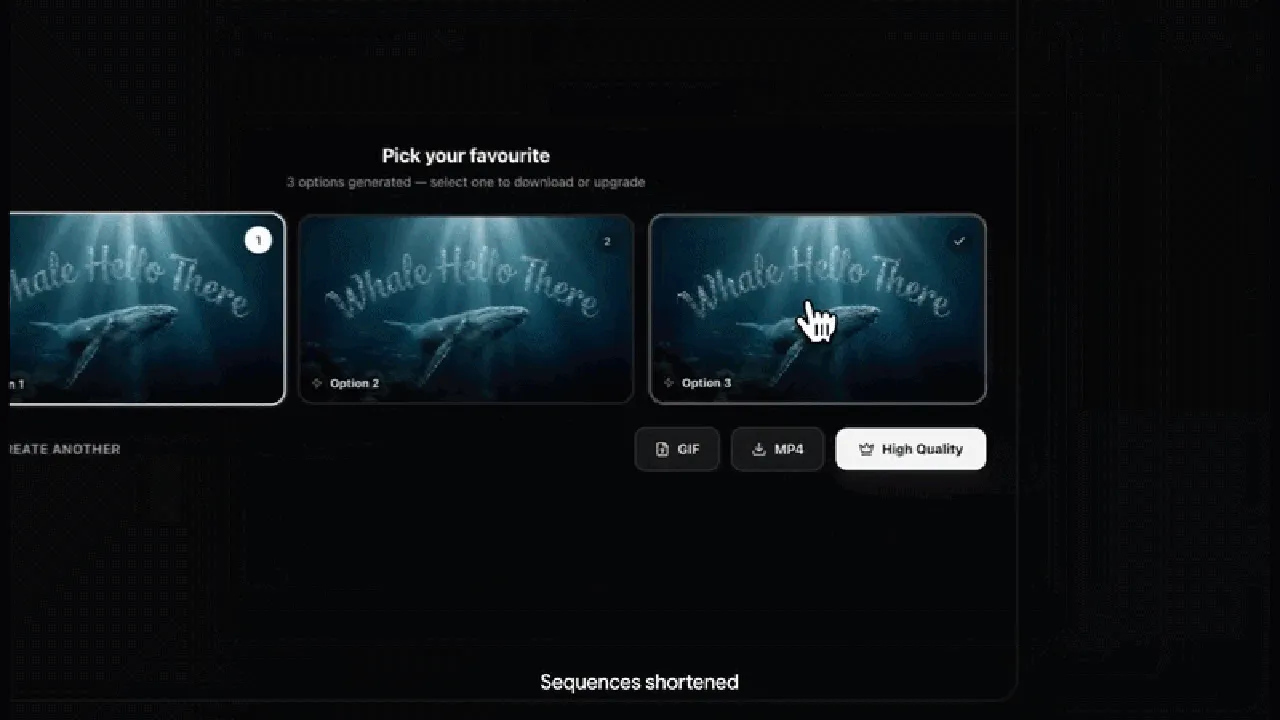
What makes this launch even more interesting is the timing.
Recently, OpenAI shut down its video app Sora. While no official reason was given, Google seems to be moving in the opposite direction, doubling down instead of pulling back. That’s not a coincidence.
Google is basically saying:“AI video isn’t going anywhere, we’re just making it cheaper.”
Google Veo 3.1 Lite is powerful, but it comes with a downside.
When video creation becomes this cheap and fast, we’re going to see an explosion of AI-generated content. Not all of it will be good. In fact, a lot of it might feel repetitive or low-effort.
But at the same time, this also opens doors for small creators, startups, and developers who couldn’t afford video production earlier. So it’s a double-edged sword.
Google Veo 3.1 Lite is not the most powerful model, but it might be the most important one. Because in tech, the winner isn’t always the most advanced product. It’s the one people can actually afford to use. And right now, Google seems to understand that better than anyone.










