

/
/
Google Fitbit Air is expected to launch on May 7 with no screen, AI-powered health tracking, 7-day battery life and a $99 price tag.
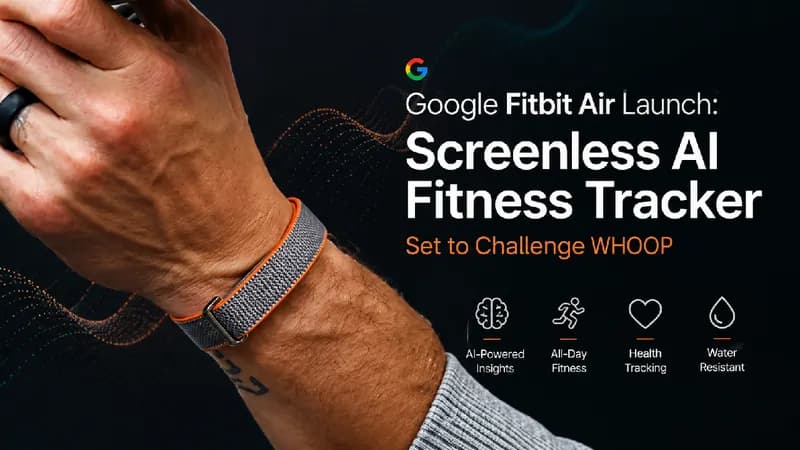
For years, smartwatch companies kept adding more screens, more notifications and more distractions to our wrists. Now, Google seems ready to do the exact opposite with the Google Fitbit Air, and this might actually be the smartest move the company has made in the wearable space in a long time.
According to multiple leaks and teasers, Google is preparing to officially unveil the Google Fitbit Air on May 7. Unlike traditional fitness bands, this new wearable comes with no display at all. No constant buzzing. No endless notifications. Just health tracking powered by AI and passive monitoring.
And honestly? That idea feels surprisingly refreshing in 2026.
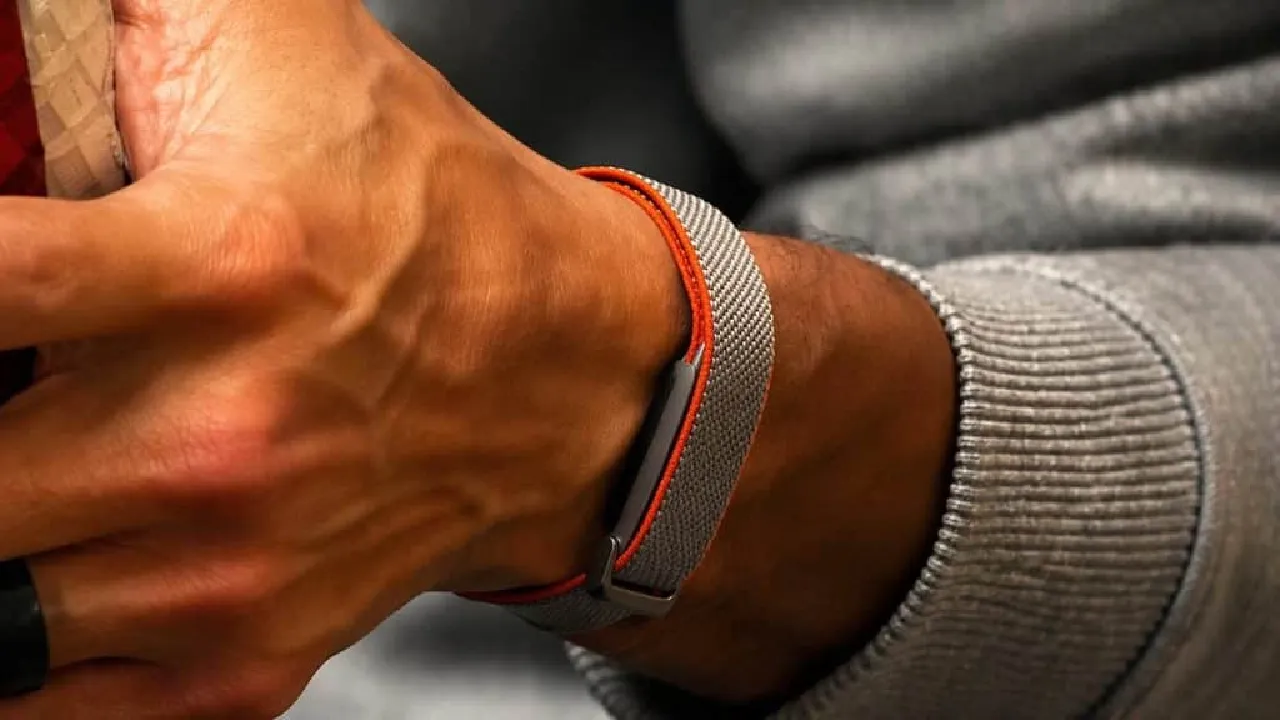
The biggest talking point around the Google Fitbit Air is simple: there is no screen.
Instead of acting like another mini smartphone on your wrist, the tracker quietly records health data in the background and sends insights directly to the companion app. Reports suggest the wearable will track:
The device reportedly weighs just 12 grams with the strap and only 5 grams without it. Battery life is expected to last up to seven days, while a quick five-minute charge may deliver enough power for an entire day.
Google appears to be targeting people who are tired of smartwatches demanding attention every few minutes. The company seems to believe users now care more about meaningful health insights than flashy screens.
That shift feels very real right now.

The screenless fitness tracker market has quietly exploded over the last two years, mainly because of brands like WHOOP. Athletes and fitness-focused users increasingly prefer wearables that stay invisible while collecting recovery and performance data.
This is exactly where Google Fitbit Air fits in.
But Google is taking a slightly different approach. Unlike WHOOP, reports suggest Fitbit Air will still work without a paid subscription. Users may get three months of Google Health Premium for free, but the tracker itself reportedly won’t become useless after the trial ends.
That could become a huge selling point.
Subscription fatigue is real. People are already paying monthly fees for streaming apps, cloud storage and AI tools. Asking users to pay another mandatory fee just to use a fitness band has started frustrating many consumers.
Google clearly understands that.
The hardware is interesting, but the bigger story may actually be Google’s software ambitions.
Leaks suggest Google is rebranding Fitbit’s ecosystem into something called Google Health. The Fitbit app and Fitbit Premium could soon evolve into a broader AI-driven health platform powered by Gemini.
The new “Google Health Coach” is expected to analyze:
The AI assistant may then generate personalized suggestions for workouts, recovery, sleep improvement and nutrition.
This is where Google could genuinely separate itself from competitors.
Most fitness apps still overwhelm users with numbers and graphs without actually explaining what to do next. If Gemini can turn raw health data into useful, human-like guidance, Fitbit Air could become more than just another wearable.
Of course, there are privacy concerns too. Reports indicate some regions may allow users to connect medical records with Google Health. That raises important questions about how much personal health data people are comfortable sharing with Google.
And let’s be honest, not everyone will trust the company with that level of information.

There’s also something nostalgic about this launch.
Early Fitbit devices became popular because they were simple. They counted steps, tracked sleep and quietly did their job. Over time, Fitbit slowly turned into a smartwatch brand competing against Apple and Samsung.
Now Google appears to be reversing course.
The Google Fitbit Air feels less like a gadget and more like a background health companion. In a world overloaded with notifications and screen addiction, that strategy could resonate with a lot of users.
At a reported starting price of $99.99, Google may also undercut premium recovery wearables while still offering advanced AI features.
If the leaks are accurate, this launch could become one of the most interesting wearable releases of the year.

Google Fitbit Air is an upcoming screenless fitness tracker focused on passive health tracking and AI-powered health insights.
No. The wearable reportedly removes the display completely and sends health insights through the companion app.
Leaks suggest the device could launch at a starting price of $99.99.
Yes. The device appears designed to compete directly with WHOOP and other screenless recovery-focused fitness trackers.
Google is expected to officially unveil Fitbit Air on May 7, based on recent teasers and reports.










