

/
/
Google Android Show 2026 revealed Gemini AI upgrades, Android 17 features, Googlebook laptops, smarter Android Auto and new creator tools.
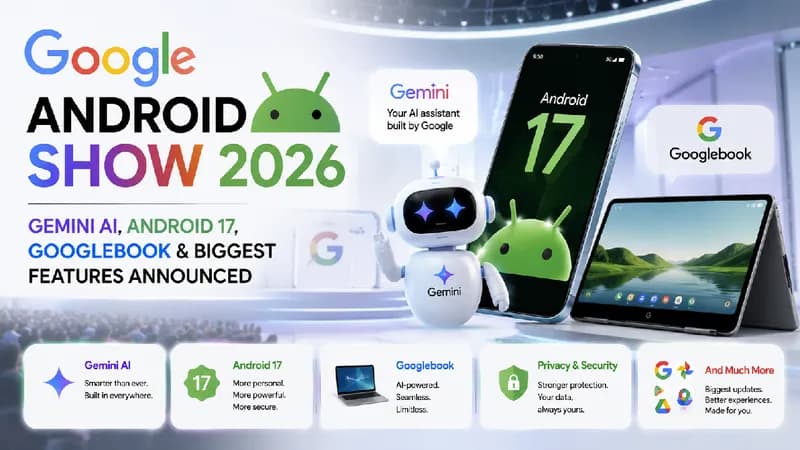
Google Android Show 2026: Google clearly came into Android Show 2026 with one message, Android is no longer just an operating system. It is becoming an AI-powered ecosystem built around Gemini, and honestly, this feels like the biggest shift Android has seen in years.
Ahead of Google I/O 2026, the company unveiled a long list of updates covering Android 17, Chrome, Android Auto, creator tools, AI widgets and even a brand-new laptop category called Googlebook. Some announcements looked genuinely useful. Others felt ambitious. But one thing is obvious: Google wants Gemini AI to quietly run your digital life in the background.
And unlike many flashy AI demos from tech companies lately, several of these features actually solve real-world annoyances people deal with every day.
The biggest takeaway from the event was Gemini Intelligence.
Google says Android is evolving into an “intelligence system” that understands context, predicts what users need and completes tasks across apps automatically. That sounds futuristic, but Google already showed practical examples during the event.
Users can now long-press the power button and ask Gemini to perform actions using whatever is visible on the screen. For example:
This is where Android suddenly feels much smarter than before. Instead of opening five apps manually, Gemini tries to connect everything together.
The company confirmed these Gemini Intelligence features will first roll out on newer Samsung Galaxy devices and Google Pixel phones later this year.
A lot of Android updates in recent years have felt minor. Android 17 does not.
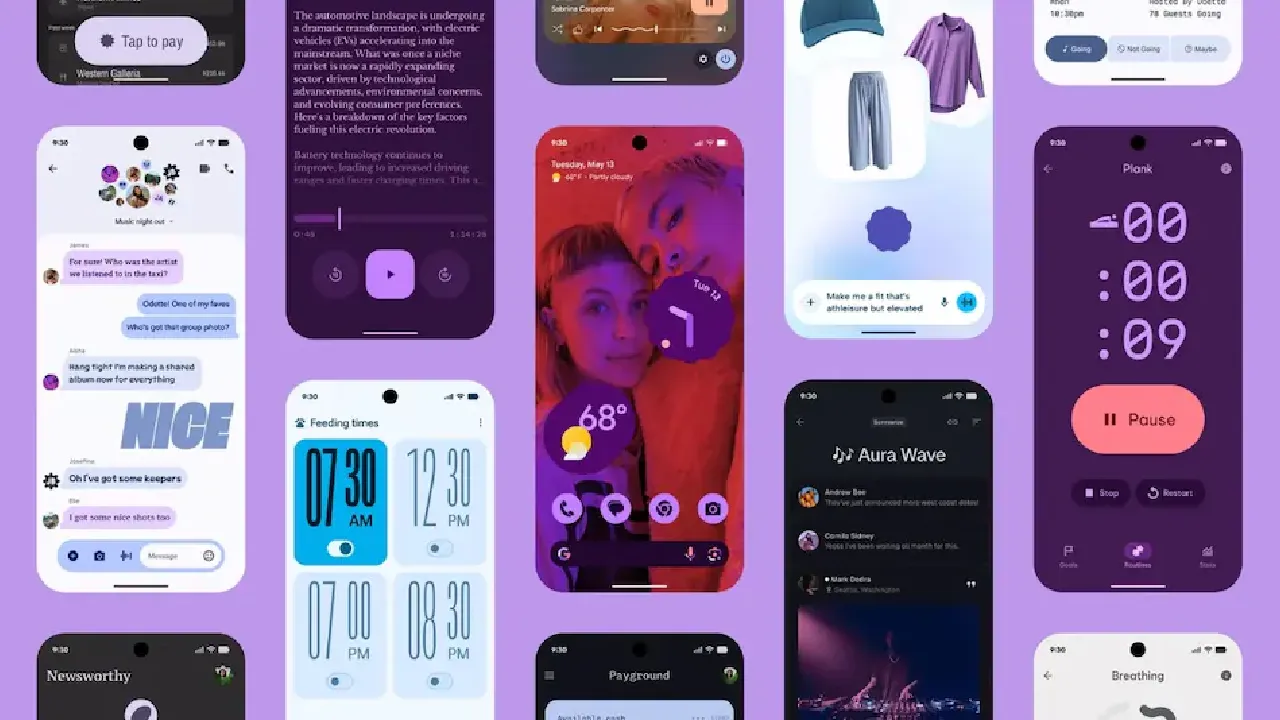
One standout feature is Create My Widget, which lets users generate fully custom widgets using natural language prompts. You can literally ask Android to build a widget for meal prep ideas, weather tracking or fitness updates.
And unlike third-party widget apps, these widgets are deeply connected to Gemini and Android itself.
This is also where Google appears to be moving ahead of Nothing and its Essential Apps experiment. Nothing introduced AI-generated widgets earlier, but Google’s version works at the operating system level, making it far more powerful.
Google also introduced several creator-focused tools in Android 17:
The creator economy is massive right now, and Google clearly wants Android to become the preferred platform for creators instead of just competing on hardware specs.
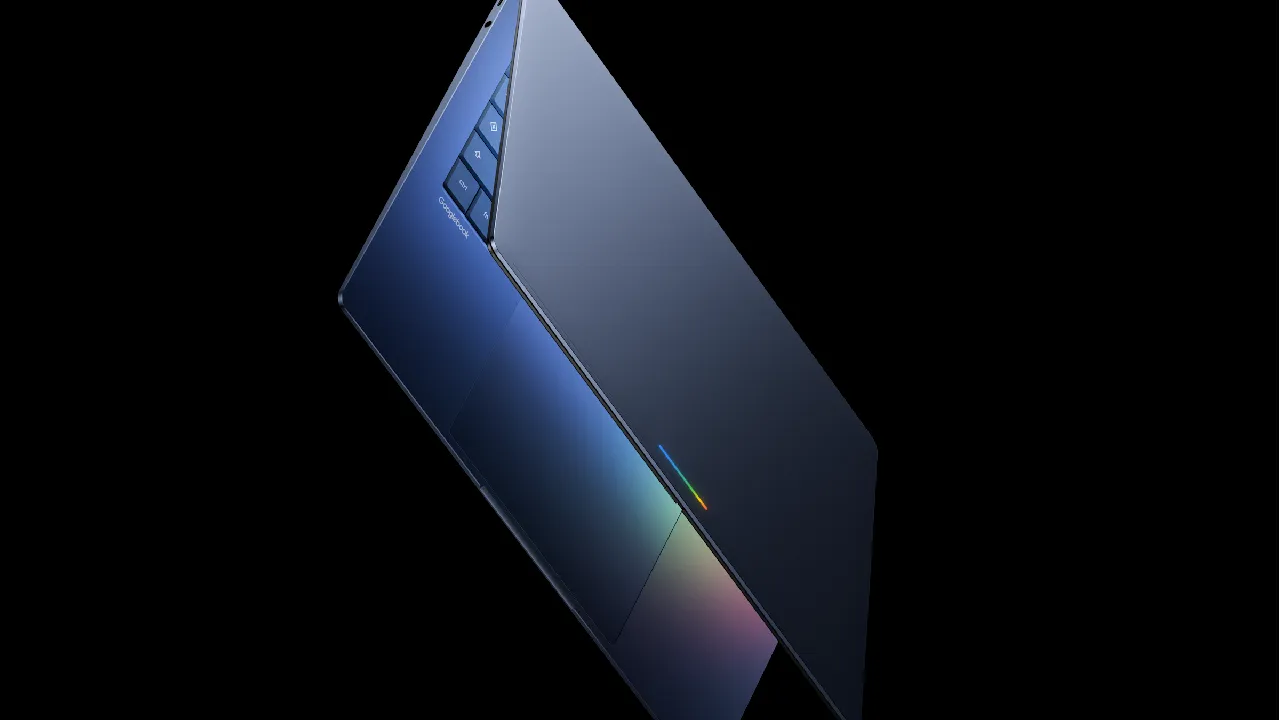
Probably the most surprising reveal from the event was Googlebook.
More than a decade after Chromebooks became mainstream, Google is now introducing AI-first laptops powered by Gemini Intelligence.
Googlebook combines Android and ChromeOS elements together. Users can run Android apps, use Chrome tools and access Gemini features system-wide.
One feature that stood out was Magic Pointer, an AI-assisted cursor that reacts contextually to what users are doing onscreen.
For example:
This honestly feels like Google trying to redefine what laptops should look like in the AI era. Major laptop brands including HP, Dell, ASUS and Lenovo are expected to support Googlebook devices.
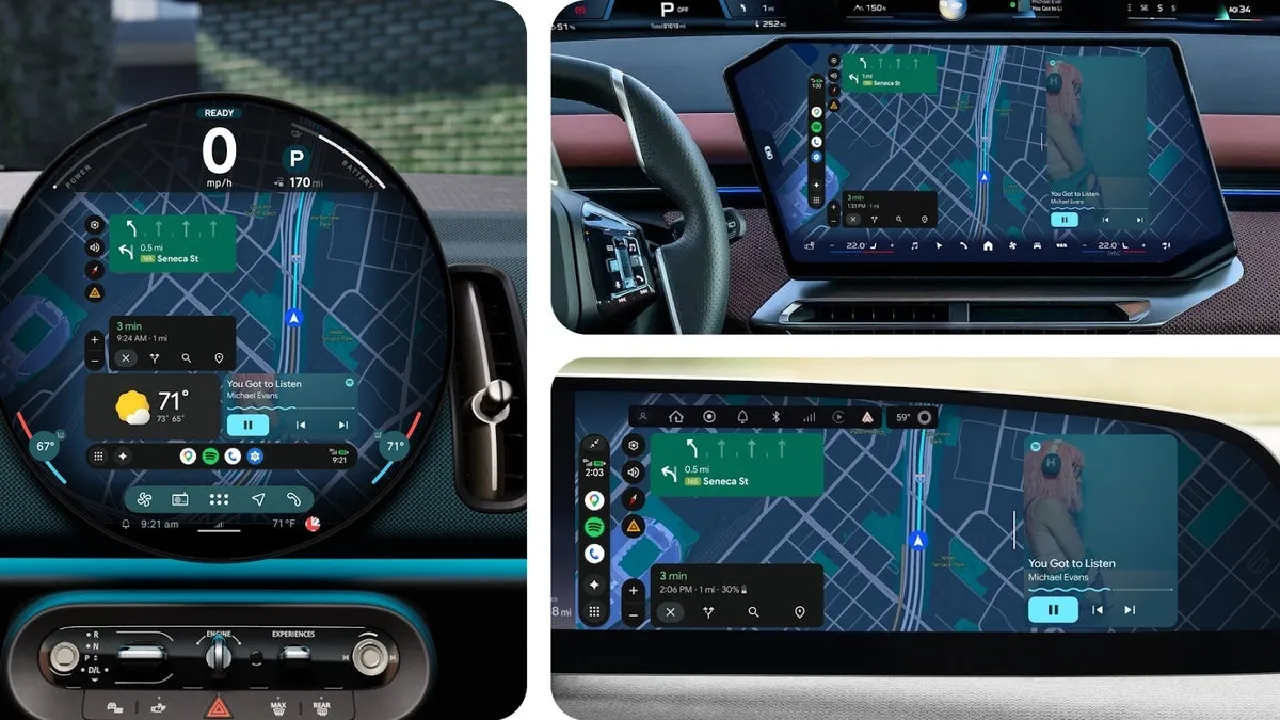
The Android Auto update announced during Google Android Show 2026 might actually matter more to daily users than flashy AI demos.
Google is redesigning Android Auto with:
The new immersive navigation system looks significantly cleaner and more detailed than current Android Auto maps.
Google also confirmed Gemini is expanding inside cars. Drivers will be able to ask Gemini contextual questions, get smart suggestions and even place food orders while driving. Supported brands include BMW, Ford, Mercedes-Benz, Hyundai, Kia, Tata Motors and Volvo Cars.
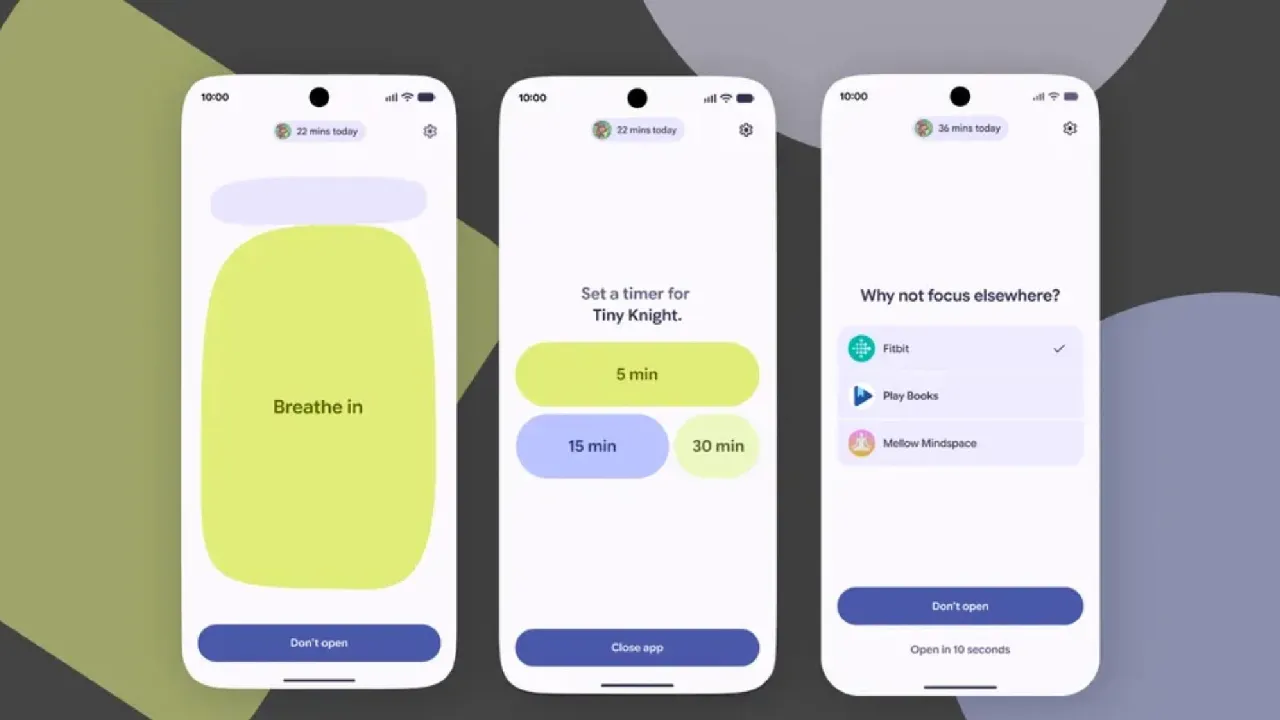
One feature that surprisingly stood out was Pause Point.
Before opening distracting apps, Android can now pause users for 10 seconds and encourage them to think before endlessly scrolling.
That may sound small, but honestly, it feels more useful than many AI gimmicks announced lately. Most people spend hours mindlessly switching between apps without even realizing it.
Google is clearly trying to make Android feel healthier and less addictive, at least on the surface.
Google Android Show 2026 felt less like a normal Android update and more like the beginning of a completely AI-driven ecosystem.
Some features will definitely take time to mature. But unlike previous years filled with vague AI promises, Google actually showed practical tools people might use daily.
The real challenge now is execution.
If Gemini becomes too aggressive, confusing or intrusive, users may quickly turn these features off. But if Google gets the balance right, Android 17 could easily become one of the most important Android releases in years.
And for the first time in a while, Google genuinely looks ahead of the curve instead of reacting to competitors.
Gemini Intelligence was the main focus. Google is integrating Gemini AI deeply into Android, Chrome, cars, widgets and laptops.
Googlebook is a new AI-focused laptop category combining Android and ChromeOS features with Gemini AI integration.
Google confirmed the rollout will begin with newer Samsung Galaxy and Google Pixel devices later this year.
Think of it as a fun AI tool that helps you design your own home screen widgets without needing any design skills. You just type something simple like “make a weather widget with a clean blue theme,” and Android creates a personalized widget for you in seconds.
Pause Point is basically Android’s way of helping you avoid mindless scrolling. Before you open distracting apps like social media, it adds a quick pause screen that gives you a moment to think, “Do I really want to open this right now?” It’s a small feature, but it can actually help cut down screen time.










