

/
/
Apple India has been ordered to pay ₹45,500 plus 9% interest, ₹5,000 compensation and ₹5,000 litigation costs over an iPhone 15 warranty dispute in Rohtak.
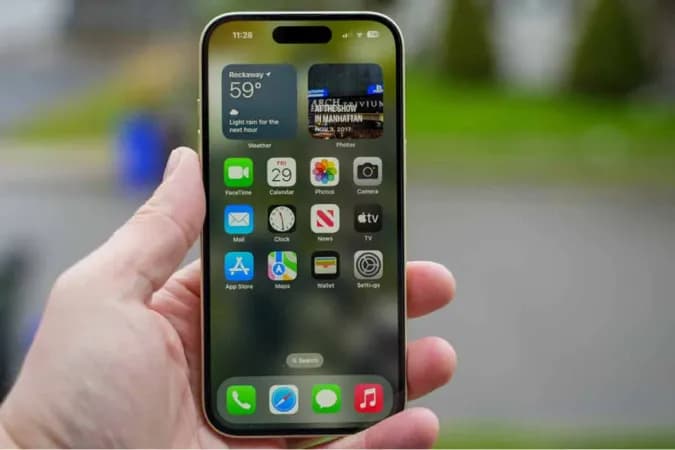
Apple India has been ordered to pay ₹45,500 to a customer following a dispute over a defective iPhone 15, after the District Consumer Disputes Redressal Commission in Rohtak, Haryana, found that Apple had not produced sufficient evidence to establish that the device had been tampered with.
The commission’s order, dated August 7, 2026, also directed Apple to pay ₹5,000 as compensation for mental agony and harassment and another ₹5,000 towards litigation expenses. The ₹45,500 amount will carry 9% annual interest from June 10, 2024, until payment.
The ruling was reported by multiple news outlets on August 17, 2026.
The customer must hand over the iPhone 15 to Apple when receiving the ordered payment, and the commission directed that the order be complied with within one month of receipt of its copy.
According to the complaint and reports on the case, Rohtak-based advocate Rajbir Phogat purchased an iPhone 15 for ₹64,999 in January 2024.
The phone reportedly developed several problems, including overheating, Bluetooth connectivity issues, network-related problems and repeated call drops. The customer contacted Apple’s authorised support system several times but said the issues continued despite attempts to resolve them.
The dispute eventually moved beyond routine customer service and into the consumer commission after the reported problems remained unresolved.
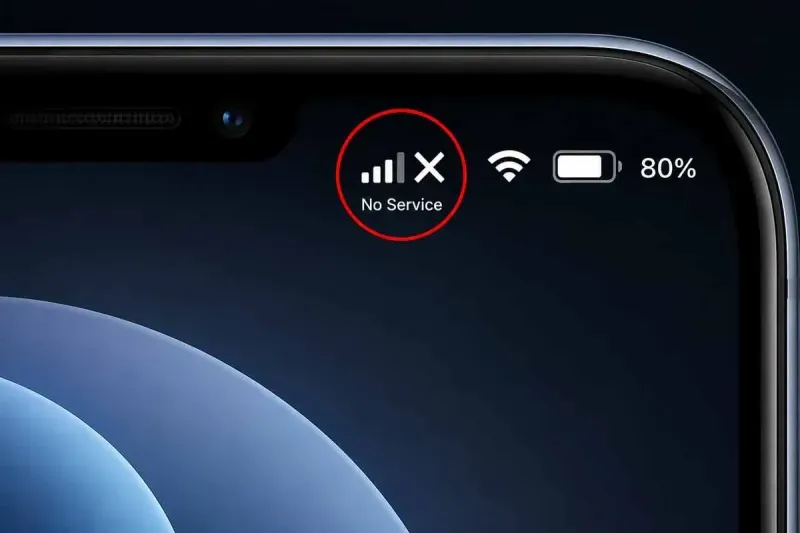
The complaint cited multiple recurring issues with the device.
These included excessive heating, malfunctioning Bluetooth connectivity and problems with mobile network performance. Call drops were also reportedly a persistent concern.
The customer said he contacted Apple support and followed troubleshooting instructions. On April 29, 2024, he reportedly updated the iPhone after speaking with Apple customer care, with the expectation that the network and call-drop problems would be resolved.
The update, however, did not solve the reported issues.
No, according to the complaint.
As part of the troubleshooting process, the customer reportedly changed his mobile connection from Jio to Airtel on May 29, 2024, after being advised that the network provider could potentially be responsible for the connectivity problems.
The network issues reportedly continued even after the switch.
The complaint also stated that the customer was advised to purchase iCloud storage. He subsequently purchased iCloud storage for ₹75 per month on May 31, 2024, but the reported problems still remained.
Apple India disputed the allegation that the iPhone had a manufacturing defect.
The company’s position, as reported in the case, was that the device had signs of unauthorised modification and therefore did not qualify for warranty service.
Apple’s service records reportedly referred to dust particles around the buttons, an allegedly unauthorised rear camera lens, scratches on the rear glass and enclosure, and an issue involving the rear microphone.
Apple also argued that its one-year warranty did not cover unauthorised modifications. The company reportedly said the customer did not agree to send the device for further screening after being informed about the alleged issues.
The commission examined material including the purchase invoice, screenshots relating to failed calls and a June 2024 service job sheet.
The job sheet reportedly recorded complaints involving network connectivity, overheating and Bluetooth functionality.
The commission also considered Apple’s service records, including the references to alleged modifications involving the rear camera and back glass.
The key question was whether Apple had actually established that the alleged modifications were responsible for the reported problems and therefore justified refusing warranty service.
The commission found that Apple and the other respondents had not provided enough technical evidence to conclusively establish unauthorised modification of the phone.
According to reports of the order, the commission noted that the device had ultimately been returned to the customer without the reported defects being rectified.
It also observed that no affidavit from the engineer or technician who inspected the phone was produced. Nor was an independent expert report or other technical evidence submitted to conclusively establish that the device had been tampered with.
The commission therefore did not consider an internal remark in the service documentation, by itself, sufficient to establish a breach of warranty terms. It also found that the photographs placed on record did not conclusively prove the alleged unauthorised modifications.
This was central to the ruling against Apple.
The commission did not order Apple to refund the complete ₹64,999 purchase price.
Instead, it applied 30% depreciation to the value of the phone and directed Apple India to pay ₹45,500 to the customer.
In addition, Apple was ordered to pay:
That makes the fixed amount payable under the order ₹55,500, excluding interest.
The ₹45,500 refund component will also attract 9% annual interest from June 10, 2024, until the date of payment.
The commission directed that the order be complied with within one month from the date of receipt of its copy.
The customer is also required to hand over the iPhone 15 to Apple at the time the ordered payment is made.
The ruling therefore provides for a return of the device to Apple in exchange for the monetary relief ordered by the commission.
The case highlights an important aspect of warranty disputes: when a manufacturer relies on alleged customer tampering or unauthorised modification to deny warranty coverage, simply recording such an allegation in an internal service document may not always be enough in consumer proceedings.
In this case, the Rohtak commission focused on whether the alleged tampering had been supported by reliable technical evidence. The absence of an engineer’s affidavit or expert evidence became significant when the commission assessed Apple’s defence.
The ruling does not establish that every iPhone experiencing similar problems is entitled to a refund. Instead, the decision is based on the evidence and circumstances presented in this particular consumer dispute.
The Rohtak consumer commission held that Apple had not sufficiently established its claim that the customer had unauthorisedly modified the iPhone 15.
Because the reported defects had remained unresolved during the warranty period and the phone was returned without those issues being rectified, the commission found deficiency in service and awarded monetary relief.
The decision orders Apple India to pay ₹45,500 plus 9% annual interest, along with ₹5,000 compensation and ₹5,000 litigation costs, subject to the customer returning the iPhone.
The ruling was issued by a three-member bench comprising president Nagender Singh Kadian and members Tripti Pannu and Vijender Singh.










