

/
/
Sagar liquor tragedy: 28 deaths are being reported, 16 accused are arrested and 17 wanted suspects face rewards as MP launches a wider crackdown.

The Sagar liquor tragedy in Madhya Pradesh has become one of the most alarming Sagar illicit liquor cases the state has seen in recent memory. On the ground, reports suggest 28 people have lost their lives, though the district administration has officially confirmed 15 deaths so far. Sixteen accused have been arrested, rewards have been announced for those still on the run, and the investigation has now stretched beyond state lines into Uttar Pradesh.
Things appeared to calm down a little on Wednesday, September 9, no new patient was admitted, and no fresh death was officially reported. But with dozens of people still under medical care and serious questions hanging over how this suspected illegal liquor reached consumers in the first place, this case is far from settled.
As of the latest update, 46 patients remain admitted at Bundelkhand Medical College (BMC). Five of them are in critical condition and receiving intensive care. Over 60 patients have recovered and been sent home.
In the affected villages, authorities have stepped up surveillance considerably. Police teams are patrolling regularly, and public announcements are being made urging residents not to touch any liquor that seems suspicious or has been sold through unofficial channels.
One thing worth noting is the gap in the death figures. The administration has officially confirmed 15 deaths, but local and media reports put that number at 28. That discrepancy is something the ongoing inquiry will need to address squarely.
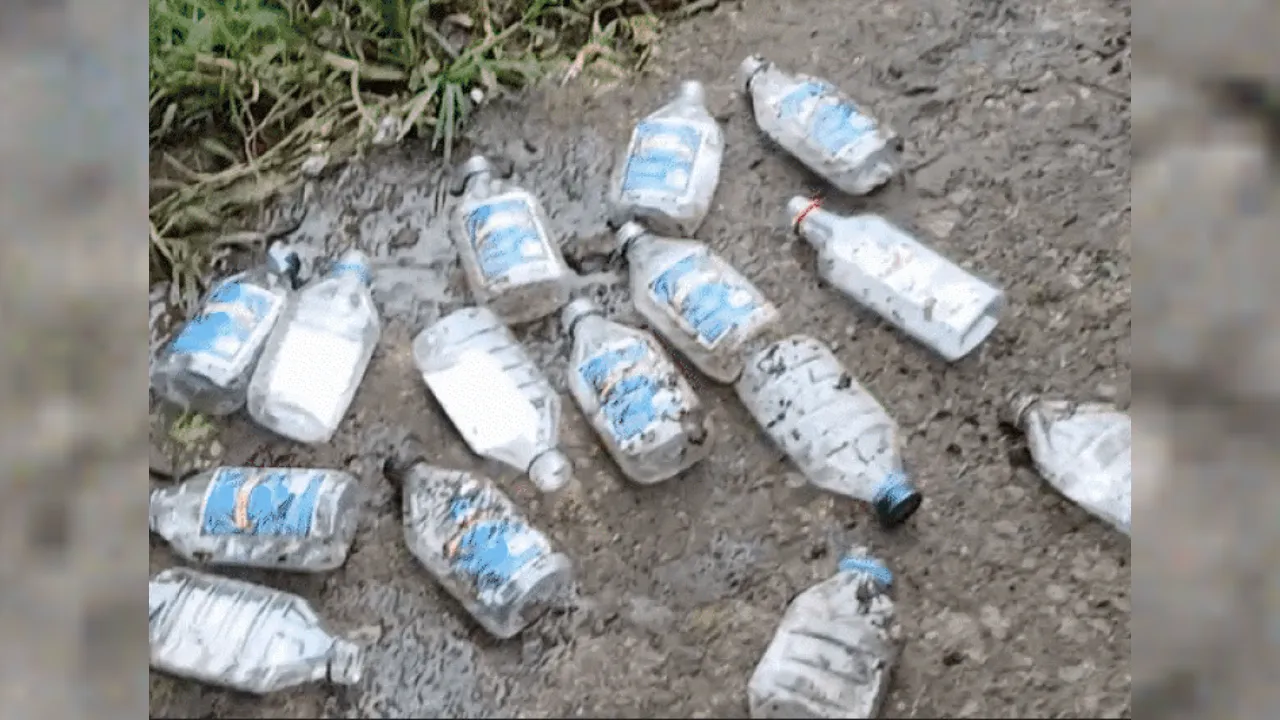
So far, police have made 16 arrests in connection with this Sagar poisonous liquor case. One of the more prominent names among the accused is Chandrabhan Singh Rajput, also known as Chandu, identified by police as the divisional president of Karni Sena and considered a key figure in the alleged racket.
Investigators say they are not just looking at the people who sold the liquor. The focus is on mapping the entire operation, manufacturing, supply, and distribution. Several raids have led to seizures of suspected illegal liquor and related materials, and police are also looking at properties and establishments linked to the accused, with administrative action expected to follow.
The arrests are only part of the picture. Police are also hunting 17 suspects who are still absconding, and rewards have reportedly been announced for their capture. Search teams have been fanning out across Madhya Pradesh and have now pushed into Uttar Pradesh as they follow what they believe are supply chain links.
This effort matters because investigators are trying to piece together every step of the chain, from where the liquor was made and packed, to how it was stored, moved, and finally sold to the people who consumed it.
One of the more complicated threads in this Madhya Pradesh hooch tragedy is what some are calling the Lalitpur connection.
Sagar police have said the suspected spurious liquor may have come from or through Lalitpur in Uttar Pradesh. But Lalitpur police have pushed back, saying Sagar authorities need to share concrete evidence before that link can be taken seriously.
This matters because it could point to an interstate supply network. Whether or not the Lalitpur connection holds up will depend on what forensic evidence, seized materials, and transport records actually show. For now, it remains an investigative lead, not an established fact.
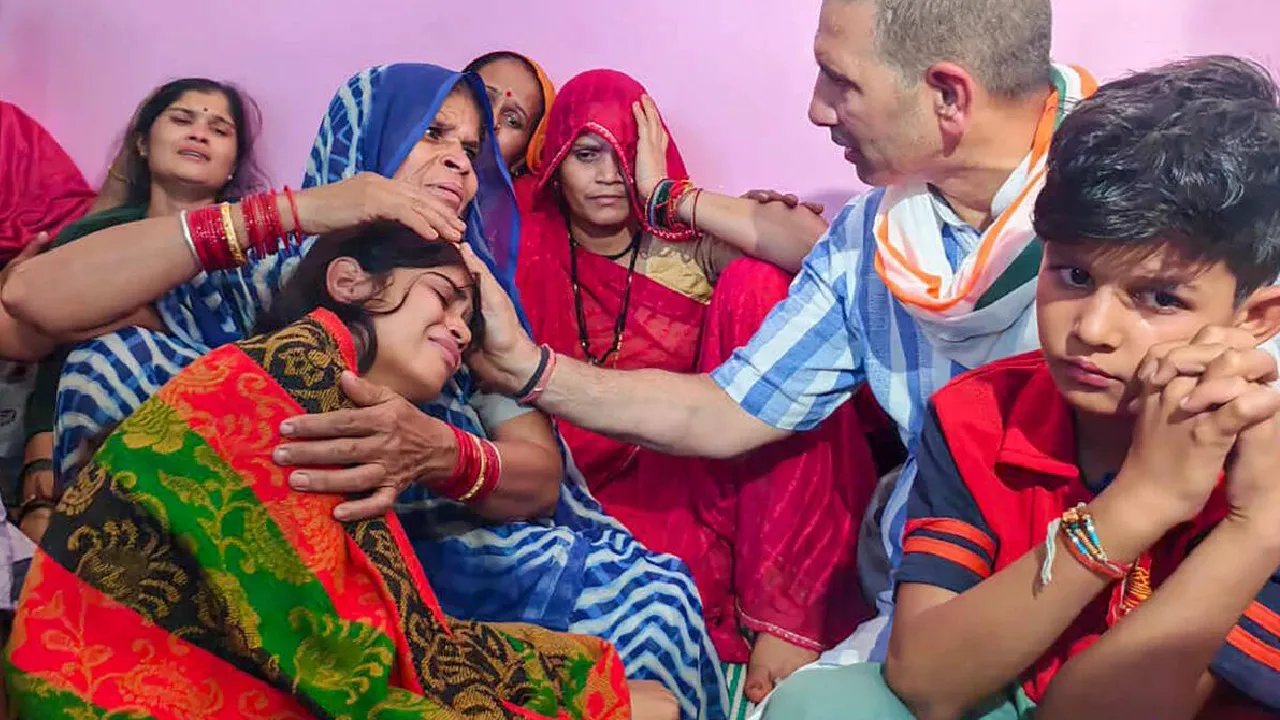
Chief Minister Mohan Yadav travelled to Sagar on Wednesday and met with patients who are still receiving treatment. He directed officials to act strictly against those responsible and announced that a judicial inquiry would be set up to look into the tragedy.
The inquiry is expected to go into:
The government has also signalled that action will follow if negligence or irregularities are found among officials.
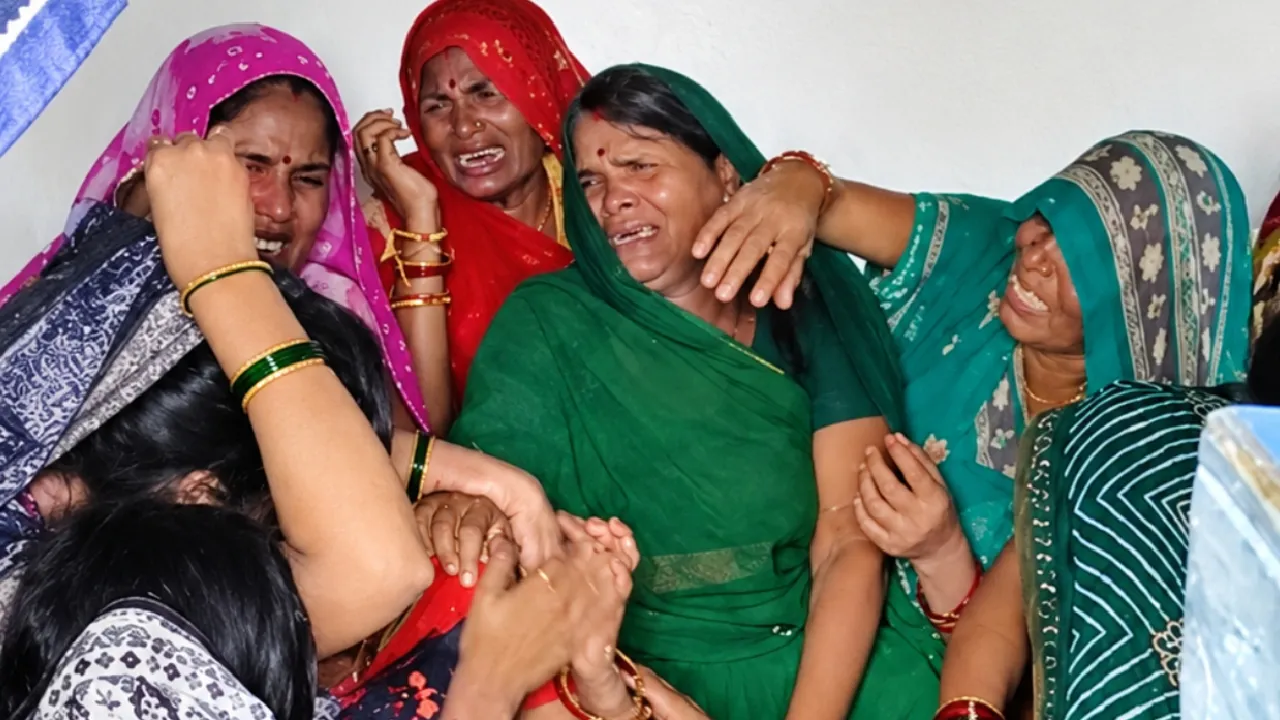
Following the Sagar illicit liquor case, the state has also shuffled senior administrative positions in the region. Irshad Wali has been appointed Inspector General of the Sagar range, and Dilip Kumar has taken charge as Sagar divisional commissioner.
These appointments come at a time when accountability is being demanded publicly, and the new leadership will now have to carry forward an investigation that has grown well beyond the villages where it started.
The crisis began on September 5, when patients started rushing into Bunda Civil Hospital in distress. People reported vomiting, body stiffness, bluish skin discoloration, and deteriorating eyesight, all after allegedly consuming liquor. As the situation worsened, senior officials arrived and patients were shifted to larger facilities, including BMC.
By September 6, reported deaths had risen sharply and police launched raids on suspected illegal liquor outlets. The following day, September 7, arrests picked up pace as investigators began tracking the wider supply network.
September 8 brought some signs of stabilisation, even as more deaths were being reported. Then, on September 9, authorities confirmed no new patients and no fresh deaths, though the arrest count climbed to 16.
The immediate health emergency may be easing, but the criminal investigation is still widening.
The Sagar liquor tragedy has also sparked a sharp political response. Congress leaders have challenged the government's official death count, alleging it does not reflect what is actually happening on the ground. The party has demanded an independent forensic examination of victims' viscera samples and financial support for the families of those who died.
These remain political claims for now and sit apart from the judicial inquiry the state government has ordered. Still, the gap between the officially confirmed 15 deaths and the 28 being reported locally will almost certainly be one of the most closely watched aspects of whatever findings eventually come out.
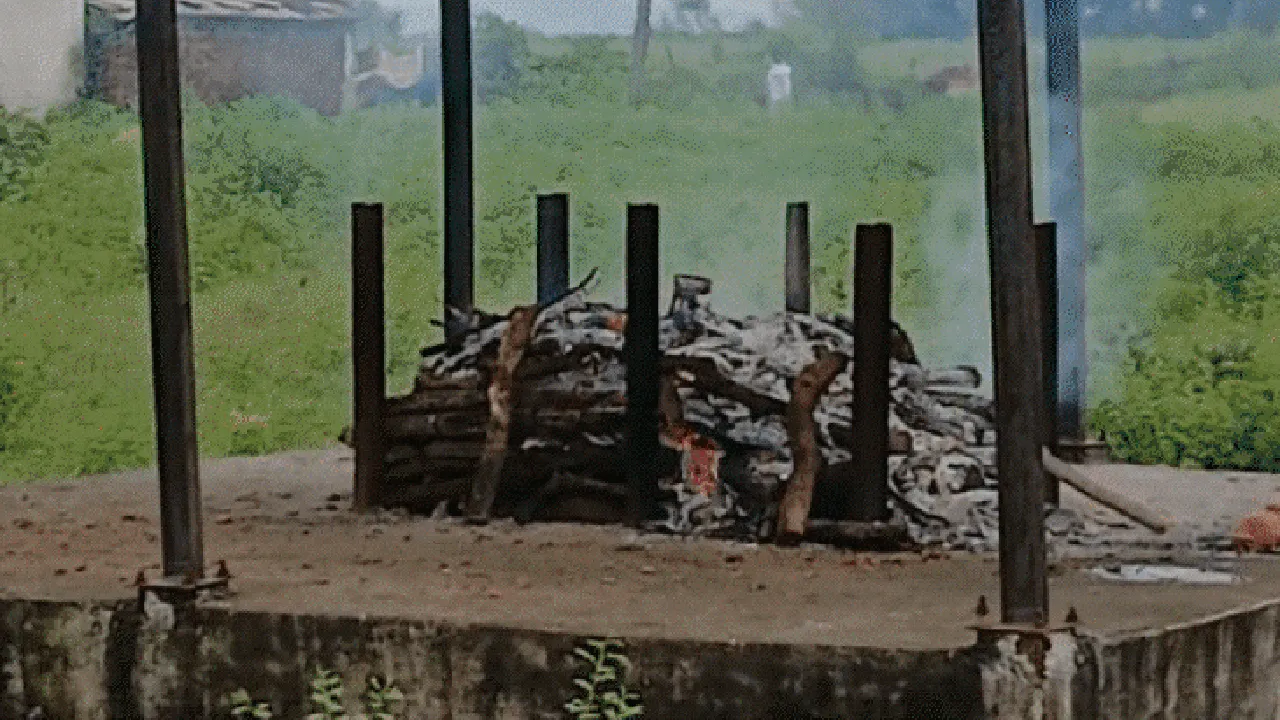
What started as a tragedy in a few villages has grown into something much bigger. If investigators can establish that a coordinated, multi-state network was manufacturing, packaging, and distributing this suspected liquor, it would point to a well-organised criminal operation, not just a few individuals acting alone.
That is exactly why the judicial inquiry matters so much. Arrests and seizures give a sense of immediate action, but the harder questions are about how such a network could have operated for this long, and whether there were signs that were missed or ignored.
Right now, 15 deaths have been confirmed officially, while reports from the ground put that number at 28. Forty-six patients are still in hospital, five of them critical. Sixteen people are in custody and more are being hunted. The Sagar liquor tragedy is still unfolding, and the judicial inquiry and forensic findings will ultimately have to tell us the full truth about what happened, who died, and who is responsible for putting this suspected poisonous liquor into people's hands.
Disclaimer: This report distinguishes between officially confirmed figures and reported claims. The final death toll, cause of deaths and responsibility of individual accused will depend on the ongoing investigation and judicial inquiry.









