/
/
Pappu Yadav faces backlash after remark on women in politics. Bihar Women Commission sends notice, BJP seeks apology as outrage grows.
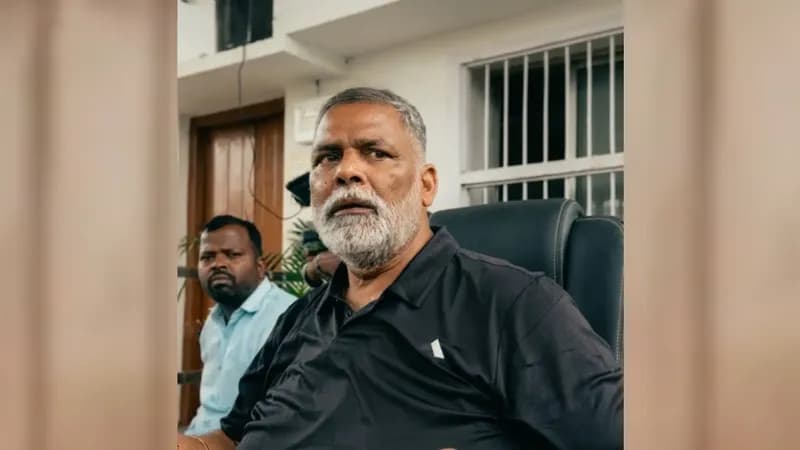
The Pappu Yadav controversy has turned into one of the biggest political flashpoints of the day. Independent MP Pappu Yadav is facing heavy criticism after his remarks about women entering politics sparked outrage across social media and political circles. What may have been presented as criticism of the system has instead been seen by many as a direct insult to women leaders across India.
The row began during a press conference in Bihar’s Purnea on April 20, where the six-time MP spoke about women’s dignity, politics, and social attitudes. But one line from his statement quickly overshadowed everything else.
During his remarks, Pappu Yadav claimed that many women are unable to enter politics without access to the “rooms” or “bedrooms” of politicians. He also said that women are worshipped as goddesses in India but not given real respect in society.
Now, let’s be honest, if the intention was to expose exploitation, the wording was disastrous. There is a huge difference between attacking a broken system and humiliating women who have worked hard to earn their place in politics. That is exactly why the backlash has been so intense.
"Women start careers in men's bedrooms...90% female netas start this way"
— BALA (@erbmjha) April 21, 2026
Congress leader Pappu Yadav deserves to rot in jail for this cheap comment on women.
But he will be backed by Rahul Gandhi again! pic.twitter.com/EUel6DSZSv
The Bihar State Women’s Commission took suo motu cognisance of the matter and issued a formal notice to the MP. The commission has reportedly asked him to respond within three days.
The notice questioned why action should not be recommended to the Lok Sabha Speaker, including possible cancellation of his membership. That is a serious escalation and shows how strongly the statement has been viewed.
This was not just a social media storm. It quickly became an institutional issue.
The Bharatiya Janata Party was quick to respond. BJP spokesperson Shehzad Poonawalla called the statement “vile” and said it reflected an anti-women mindset.
He also questioned the silence of opposition leaders who often speak about women’s empowerment. Other BJP voices demanded an apology and stronger punishment.
Politics was always going to enter this controversy, but the truth is bigger than party lines. No matter who says it, comments that generalise and demean women deserve criticism.
After the backlash grew, Pappu Yadav said his comments were being misrepresented and taken out of context. According to him, he was trying to highlight the exploitation women sometimes face while entering politics.
That explanation may convince his supporters, but for many people, the damage was already done. Public leaders are judged not only by what they mean, but by what they say and how it affects society. And frankly, politicians should know this better than anyone.
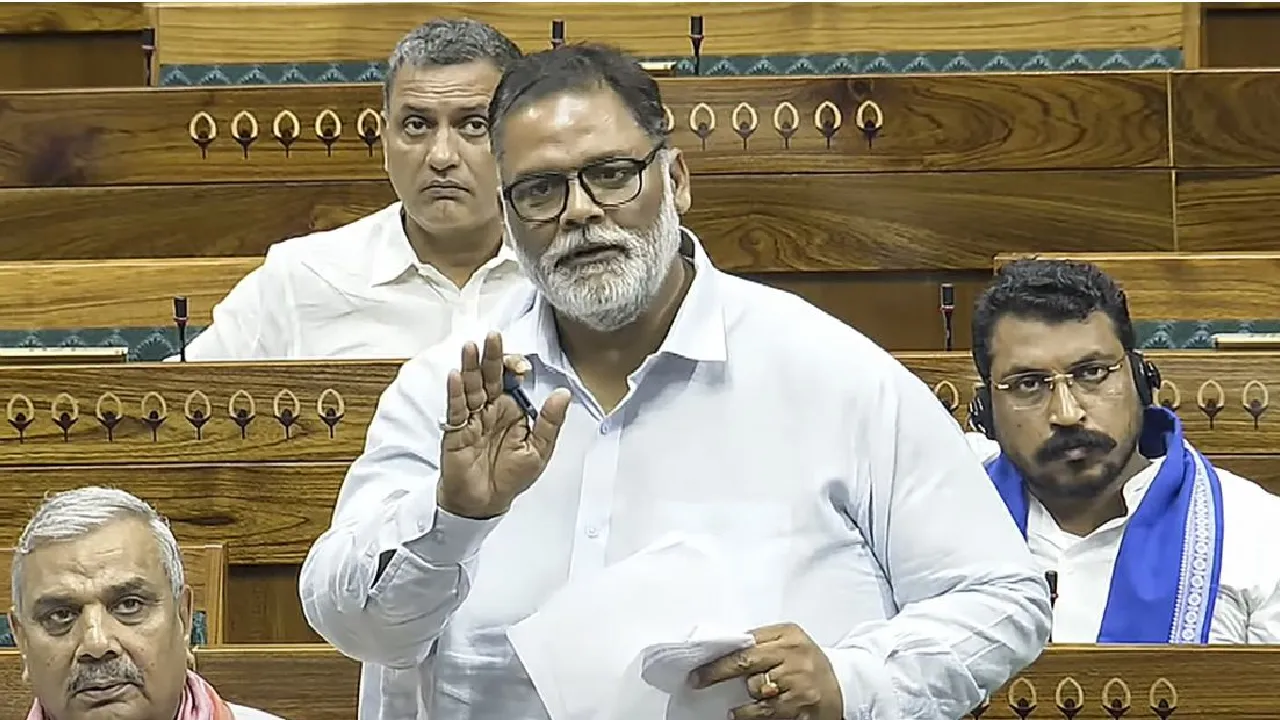
This issue is not just about one statement. It touches a larger question: how are women treated in public life?
Women in India already face barriers in politics, safety concerns, lack of funding, family pressure, online abuse, and deep-rooted bias. In that environment, sweeping comments like these do not start a healthy debate. They make the climb harder.
Instead of encouraging more women to join leadership roles, such remarks risk reinforcing old stereotypes.
Social media users, women activists and political observers strongly criticised the statement. Many called it misogynistic, offensive and disrespectful to women who have built careers through talent and persistence.
Some users also pointed out that if exploitation exists, leaders should name and fight the people who are doing it, not shame all women. That's a fair point, and maybe the best one to come out of this controversy.
The Pappu Yadav controversy is a reminder that words matter, especially when spoken by elected representatives. If the goal was to expose injustice, the message failed because the language hurt the very people it claimed to defend. India needs sharper conversations about women’s representation, not lazy stereotypes dressed up as truth. And voters are increasingly watching who respects that line, and who crosses it.