Learn about heat stroke causes, symptoms, prevention tips, and home remedies. Discover how to stay safe in summer and what to do if someone suffers from heatstroke.
The summer season brings with it numerous challenges, among which 'heat stroke' (or *loo lagna*) stands out as a particularly grave concern—one that can even pose a threat to your life.
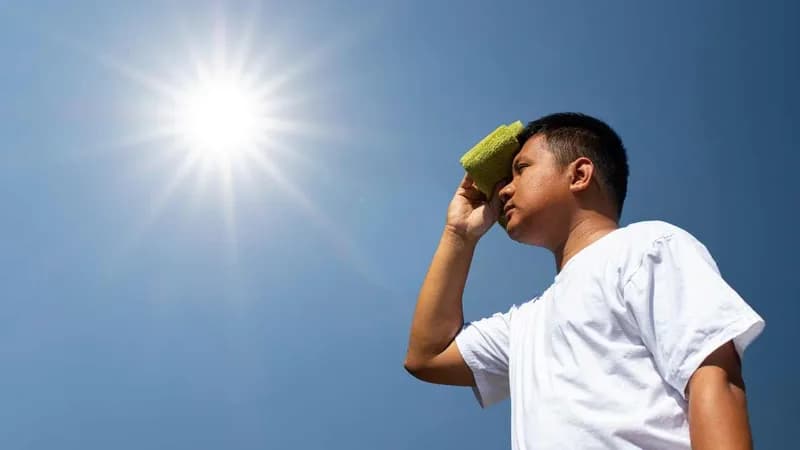
Heat stroke is a physiological condition that occurs when an individual is exposed to heat for a prolonged period whether while working, exercising, or simply sitting in a hot environment. Consequently, the body's core temperature rises significantly (reaching 40 degrees Celsius—or 104–105 degrees Fahrenheit—or even higher), leading to the manifestation of symptoms such as red, dry skin; headaches; dizziness; and other complications.
Causes of Heat Stroke
- This condition arises when excessive sweating—triggered by heat—causes the body to lose a large volume of water. If the body does not receive a sufficient intake of fluids (water) to replenish this loss, it eventually ceases to produce sweat. Sweating plays a crucial role in regulating body temperature and, thereby, protecting against heat stroke. This is precisely why people are strongly advised to drink plenty of water during the summer months.
- Individuals who work in air-conditioned (AC) environments or in front of air coolers should avoid stepping directly from such cool surroundings into the scorching sunlight. Sudden shifts in temperature can also precipitate heat stroke.
- Walking outdoors in direct sunlight is a primary cause of heat stroke. Avoid walking on roads or in open fields during the afternoon hours; if you must venture out on foot, be sure to carry an umbrella. If you are traveling by scooter or motorcycle, ensure that you are wearing a helmet. Furthermore, cover your face with a cloth to shield yourself from gusts of hot air.
- Remaining inside a closed car is another common cause of heat stroke. If a car is parked in direct sunlight with its windows closed, its internal temperature can rise significantly higher than the external temperature. For instance, if the outside temperature is 25 degrees Celsius, the temperature inside the car can easily soar to 50 degrees Celsius or even higher—a level sufficient to induce heatstroke.
- Many people make the dangerous mistake of leaving children or the elderly alone inside a car while locking it from the outside. This creates an extremely hazardous situation, as these vulnerable individuals can fall victim to heatstroke in a very short span of time. Due to panic, they are unable to exit the car, even if they wish to do so.
Symptoms and Treatment of Heatstroke
Let us now understand what steps should be taken in the event of heatstroke and what home remedies are available to address it. However, first, let us familiarize ourselves with the symptoms of heatstroke:
Symptoms of Heatstroke
During periods of intense heat, when someone suffers from heatstroke, symptoms such as headaches, dizziness, fainting, an absence of sweating despite the heat, red, hot, and dry skin, muscle cramps, difficulty breathing, a rapid pulse, and an increased heart rate may manifest.
- To protect yourself from heatstroke, soak coriander seeds in water; then, crush them thoroughly, strain the liquid, mix in a little sugar, and drink it.
- During the summer season, consume Panna (a refreshing beverage) made from raw green mangoes. This helps protect against heatstroke.
- Grind tamarind seeds, dissolve them in water, and then strain the mixture through a cloth. Drinking this concoction after adding sugar to it can help prevent heatstroke.
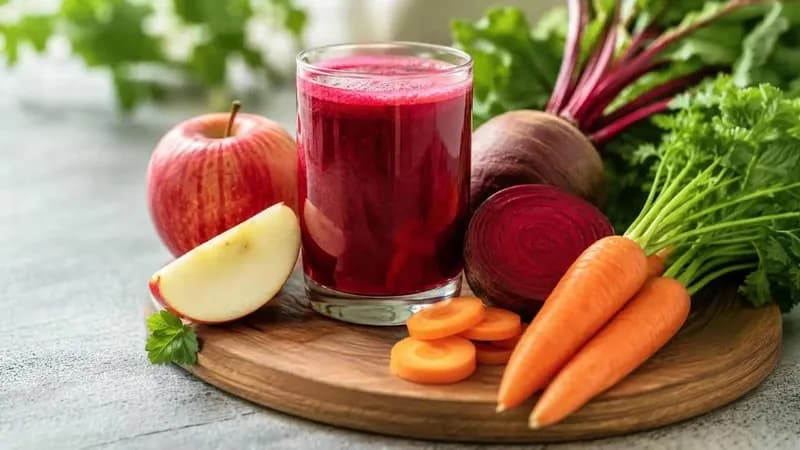
- Drink coconut water, Shikanji (lemonade), and fresh fruit juices. You may also consume Bel (Wood Apple) sherbet. These beverages help maintain the body's fluid levels and reduce the risk of heatstroke. Whenever you step out of the house, always carry a water bottle with you.
- When sending your children to school, ensure that you place a water bottle in their hands as well. If you wish, you may also add glucose to the water; this provides the body with a steady supply of energy and reduces the likelihood of feeling fatigued.
- Do not drink water immediately upon returning home from outside; wait until your body temperature has returned to normal before doing so. Before stepping out of the house, drink a little water or a cooling beverage, such as lemonade or Aam Panna (raw mango drink).
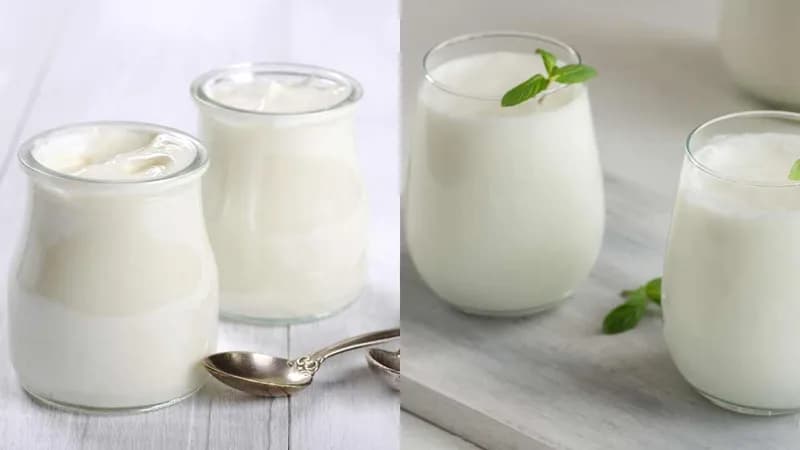
- During the summer months, consume light meals and incorporate yogurt into your diet. Ensure that neither children nor adults step out of the house on an empty stomach; always eat something before heading out.
- If you or anyone else suffers from heatstroke, grind barley flour together with an onion to form a paste and apply it to the body; this will provide relief. Rubbing an onion over your fingernails before stepping out into the sun also helps protect against heatstroke.
- When venturing out into the sun, make sure to carry a peeled onion with you; it helps in preventing heatstroke.
- After returning from the sun, licking a mixture of a small amount of onion juice and honey helps reduce the risk of heatstroke.
- Consume pumpkin seeds accompanied by a syrup made from rock sugar (*Mishri*); this, too, aids in protecting against heatstroke.
What Should You Do If You Suffer from Heatstroke?
If you suffer from heatstroke, wash or sponge down your head, face, back, and legs with cold water; this will provide you with relief. Additionally, drink Pana—a beverage made from raw green mangoes. It helps protect against heatstroke and also mitigates its effects.
Why Does Heatstroke Occur?
Due to the heat, a person sweats profusely, leading to a depletion of water in the body. If the body does not receive an adequate supply of water, sweating ceases; consequently, it becomes difficult to regulate the body's temperature, and the individual falls victim to heatstroke. This is the primary cause of heatstroke.