

/
/
A video claiming to show how tutti frutti — the bright, chewy candied fruit bits found in cakes, ice creams, and bakery items across India — is processed has gone viral, and it isn't for flattering reasons.
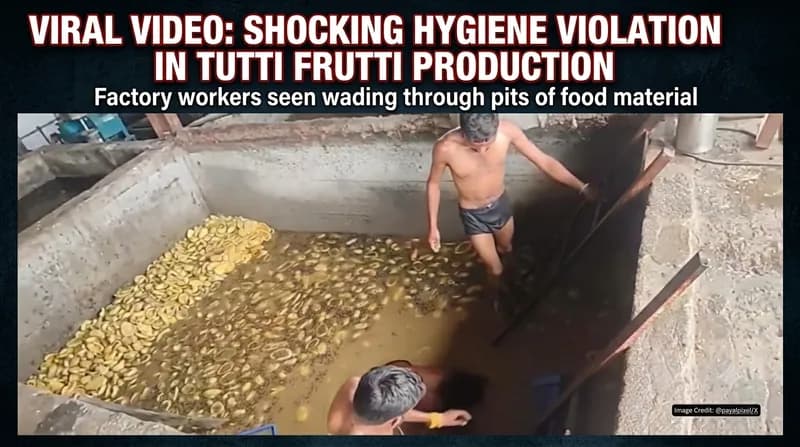
A video claiming to show how tutti frutti — the bright, chewy candied fruit bits found in cakes, ice creams, and bakery items across India — is processed has gone viral, and it isn't for flattering reasons.
Shared on X, the clip has racked up widespread attention, with many users saying it has permanently changed how they view the colourful topping that shows up in everything from bakery breads to birthday cakes.
Guys, Aap sabhi ke liye bahut hi hygienic tarike se tuti furti banai ja rahi hai, video dekhne ke baad kafi logo ka fruti favourite ban jayega pic.twitter.com/rvCsvE8GiW
— Payal Kushwaha (@payalpixel) September 3, 2026
The video was posted with a caption that translates to a claim about the candy being made "in a very hygienic way," and that after watching it, viewers' fondness for tutti frutti would only grow. Given the reactions the clip has generated, most users read that line as sarcasm rather than a genuine endorsement.
The exact location, facility, or company behind the process shown in the video has not been officially confirmed. StackUmbrella has not independently verified the origin or authenticity of the footage, and readers should treat the visuals as unverified until a manufacturer or regulatory body responds.
Since the video began circulating, reactions have ranged from disbelief to outright disgust, with many users saying they will think twice before eating desserts or baked goods containing tutti frutti. The conversation online has largely centred on the cleanliness of the processing environment depicted in the clip, with several users drawing comparisons to earlier viral food videos that raised similar concerns.
Tutti frutti is a staple ingredient in Indian bakeries, often used in cakes, rusks, buns, and even some ice creams, which is part of why the video struck a nerve. It is a product most consumers encounter regularly but rarely think about in terms of how it is actually manufactured.
Not by a long shot. Behind-the-scenes clips of how popular Indian snacks and sweets are made have gone viral multiple times before, including videos related to ice gola, cotton candy, and various street food items. These moments tend to follow a familiar pattern: a video surfaces, it spreads rapidly, and it reignites broader conversations about food safety, hygiene enforcement, and the limited visibility consumers have into how small-scale or unregulated manufacturing units operate.
These recurring controversies point to a larger, ongoing concern in India around food safety oversight, particularly for products that are manufactured in smaller units and then distributed widely through informal supply chains.
As of now, no tutti frutti manufacturer or food safety authority has issued an official statement or clarification regarding the specific facility or process shown in the video. This article will be updated if any manufacturer, industry body, or regulatory authority responds publicly.
While the viral video has triggered strong reactions, it is important to note that it appears to show one unverified process at one unidentified facility. It should not be assumed to represent how all tutti frutti sold in India is manufactured. Consumers concerned about food safety are generally advised to check for FSSAIlicensing on packaged products and to buy from established, traceable brands where possible.









