

/
/
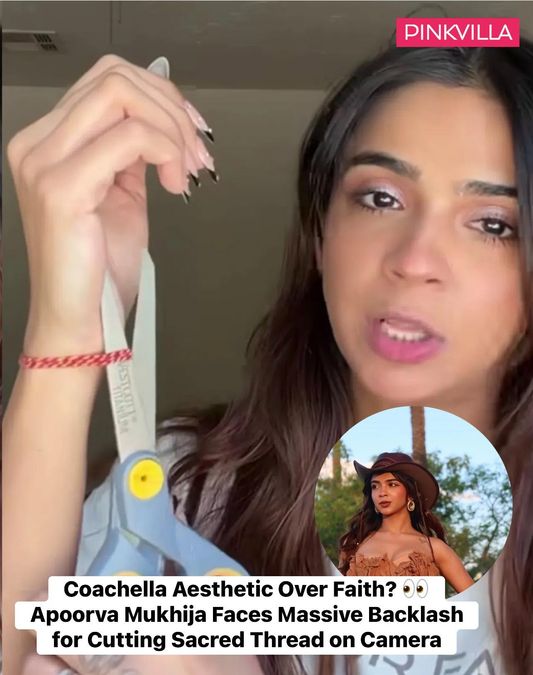
Social media influencer Apoorva Mukhija, popularly known as "The Rebel Kid," has once again found herself at the center of controversy. This time, the backlash stems from her "Get Ready With Me (GRWM)" video, in which she cut off a Hindu sacred thread (Kalava/Mauli) while getting ready for the Coachella Festival. The video quickly went viral, sparking heated debate across social media, with many users criticizing her actions.

Social media influencer Apoorva Mukhija, popularly known as "The Rebel Kid," has once again found herself at the center of controversy. This time, the backlash stems from her "Get Ready With Me (GRWM)" video, in which she cut off a Hindu sacred thread (Kalava/Mauli) while getting ready for the Coachella Festival. The video quickly went viral, sparking heated debate across social media, with many users criticizing her actions.
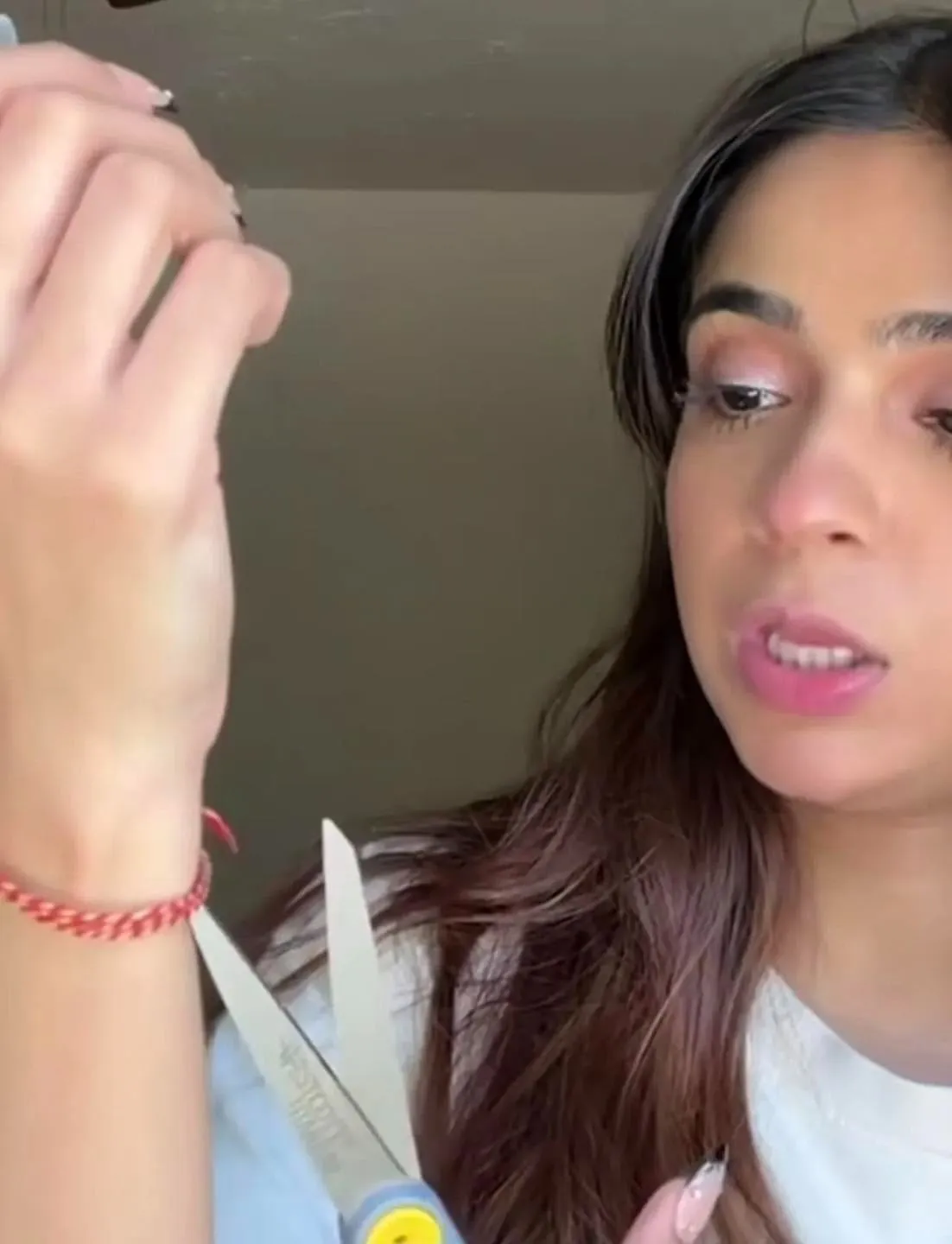
In the viral video, Apoorva Mukhija is seen preparing her outfit and overall look for the Coachella Festival. During the process, she points to the red-and-yellow sacred thread tied around her wrist and says that it is ruining the "aesthetic" of her photos.
She also mentions that her priest had advised her not to cut the sacred thread. Despite this, she cuts it on camera and jokingly says, "Hope I don't die." This particular moment quickly spread across social media and became the center of the controversy.
Following the video's circulation, thousands of social media users criticized Apoorva Mukhija. Many argued that in Hinduism, the Kalava (Mauli) is not merely a thread but a symbol of faith, protection, and religious belief. They felt that cutting it solely to improve the visual appeal of photos or videos was disrespectful to religious sentiments.
At the same time, some users accused her of deliberately creating controversy to attract more views, engagement, and online attention. Others, however, defended her, arguing that wearing or removing a religious thread is ultimately a matter of personal choice and individual freedom.
The incident has once again reignited discussions about how much responsibility content creators should have when dealing with religious and cultural symbols in pursuit of views and virality.
Many people believe that influencers should exercise greater sensitivity and respect when featuring religious symbols in their content, while others argue that personal expression should not be restricted.
Apoorva Mukhija is a well-known Indian digital creator and social media influencer, widely recognized by her online persona, "The Rebel Kid."
She completed her early education in Noida and later earned a Bachelor of Technology (B.Tech.) in Computer Science from Manipal University Jaipur. She began creating content during her college years and quickly gained popularity for her humorous videos, engaging storytelling, and relatable Gen Z style.
Today, she has millions of followers across social media and has collaborated with major brands such as Nike, Meta, and Maybelline. She has also appeared in web series and reality shows.
Ap00rva, aka the rebel k!d, who BROKE her Kalava some months back after l!ndus objected to her insta posts.
— Mao Maxi (@mao_maxi3) July 30, 2026
She is followed by MILLIONS of genZ Honda Shernis who get inspired by her😂🔥 pic.twitter.com/0fJlPbfbmW
This is not the first time Apoorva Mukhija has been involved in controversy. Earlier, her name surfaced during the India's Got Latent controversy, which led to significant online trolling.
She also faced criticism over an older video in which her remarks about the casting couch were widely debated. Additionally, her participation in the reality show Lock Upp 2 generated discussion on social media, with some viewers criticizing her behavior and accusing her of creating unnecessary drama.
As of now, Apoorva Mukhija has not issued any official apology or detailed public statement regarding the controversy. Discussions surrounding the video continue on social media, with people expressing differing opinions.
Apoorva Mukhija's video of cutting the sacred Kalava has become a widely discussed topic online. While many consider it disrespectful to religious sentiments, others view it as an issue of personal freedom and individual choice.









