/
/
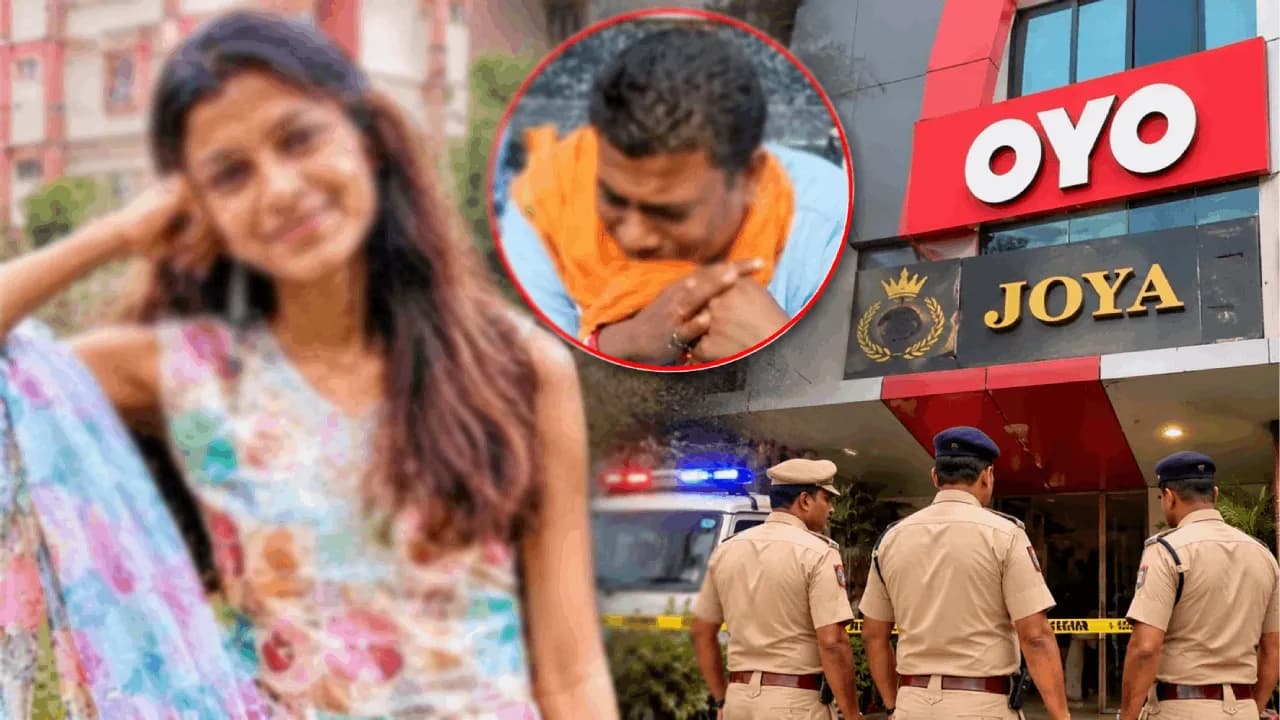
Ruchika Singh faces a Zero FIR over alleged abusive remarks against PM Modi at Jantar Mantar. The case has reignited debate over free speech and equal law.
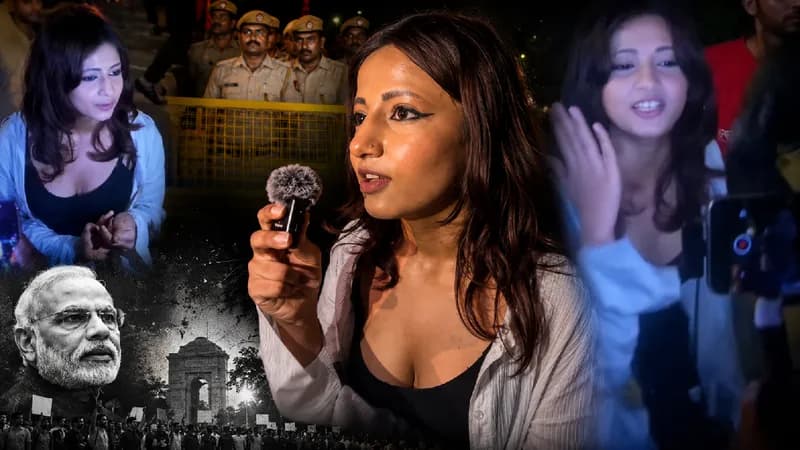
Not every protest ends quietly, and the legal case against Ruchika Singh is proof of that. Her alleged remarks against Prime Minister Narendra Modi during a demonstration at Delhi's Jantar Mantar have set off something much bigger than a single FIR. From courtrooms to social media timelines, people are now arguing about freedom of speech, the rights of protesters, and whether the law truly lands the same way on everyone.
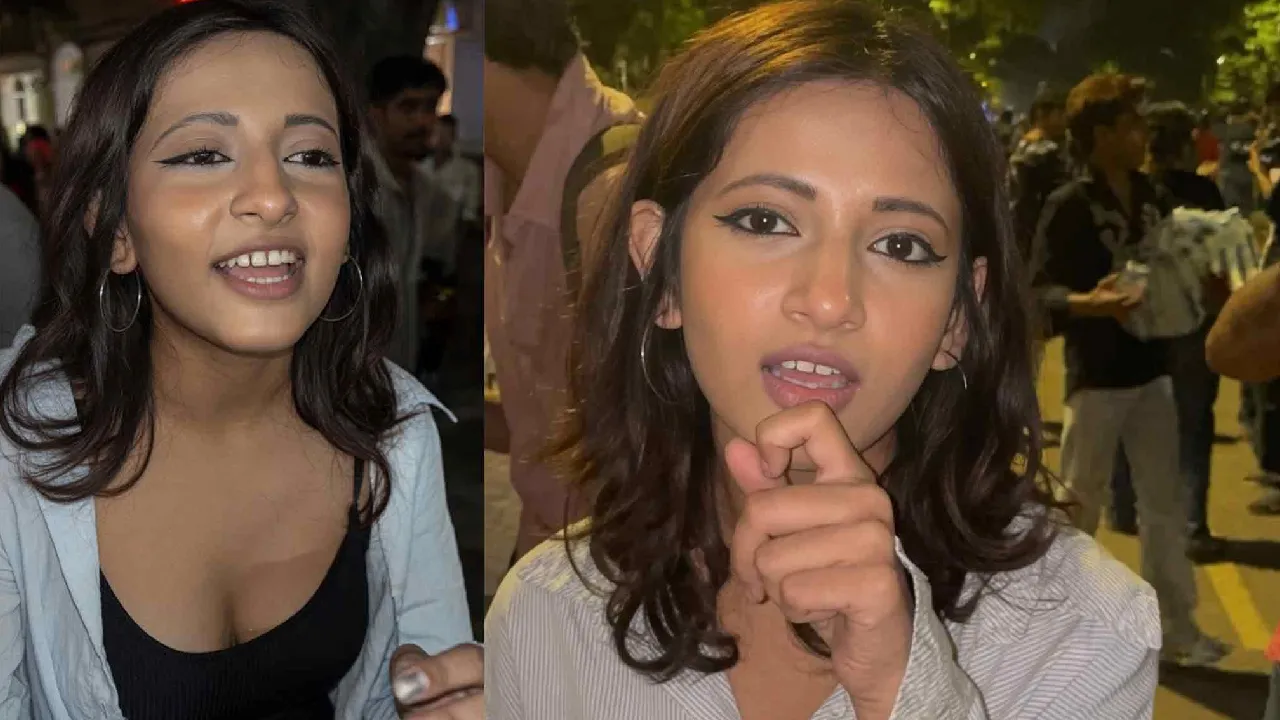
It started on July 23, 2026. Demonstrators had gathered at Jantar Mantar over issues connected to the alleged paper leak controversy, and somewhere in the middle of it all, a video began circulating. The clip allegedly showed 25-year-old Ruchika Singh using abusive language against Prime Minister Narendra Modi.
The video spread fast. Criticism followed just as quickly. Several individuals filed legal complaints, arguing that the PM Modi remarks not only insulted the dignity of the Prime Minister's constitutional office but could also disturb public order.
जंतर-मंतर पर रुचिका सिंह नाम की एक लड़की ने प्रधानमंत्री मोदी को गालियाँ दीं उस पर कार्रवाई हुई ठीक है कानून लेकिन
— Anu India (@AnuIndiaX) July 30, 2026
सवाल यह है कि जंतर-मंतर पर बिना वर्दी के छात्रों पर लाठियाँ बरसाने वाले कौन थे?
जिन लोगों ने छात्रों को बेरहमी से पीटा, हाथ-पैर तोड़े और कई छात्रों के सिर फोड़… pic.twitter.com/WhzZ8DFvAU
Acting on a complaint by Supreme Court advocate Smriti Singh Chandel, Noida Police registered a Ruchika Singh Zero FIR at the Expressway Police Station.
The case was booked under provisions of the Bharatiya Nyaya Sanhita (BNS), covering allegations that include public provocation and defamation. Because the incident itself took place in Delhi, the case has since been transferred to Parliament Street Police Station, which now holds jurisdiction for the investigation.
Police have confirmed they are going through videos, social media posts, and other digital material as part of the process.
A Zero FIR is essentially a tool designed to make sure justice isn't held up by paperwork. It allows any police station to register a complaint, no matter where the alleged offence actually occurred. Once the complaint is recorded, it gets passed on to whichever station has the legal authority to investigate it.
The idea is straightforward, no one should have to wait for the "right" police station to be available before a case can be filed.
Unsurprisingly, the Ruchika Singh Zero FIR has landed differently depending on who you ask.
Several legal experts and political voices have pointed out that even if the language used was unacceptable, turning speech into a criminal matter raises serious concerns about freedom of speech and the weaponisation of law against people exercising their right to protest.
CJP spokesperson Saurabh Das put it plainly, the language may have crossed a line, but criminal prosecution shouldn't be the automatic answer to offensive speech. He also took a moment to urge young protesters to keep their expression civil, even when they're angry.
On the other side, many who supported the complaint say that no one, not even protesters, should be using abusive language against individuals holding constitutional offices in public gatherings.
The Delhi government, for its part, has said that students picked up during the Delhi protest generally won't face legal pursuit, unless they have prior criminal records or were involved in violence. Officials have indicated each case will be looked at individually, in line with proper legal procedure.
But the conversation hasn't stayed focused on Ruchika Singh alone. On social media, a separate thread of questions has been gaining traction, one that asks whether the alleged use of excessive force during the same Jantar Mantar protest deserves the same level of scrutiny.
Several posts claim that some students were beaten by people in plain clothes during the demonstration, and users have been asking out loud whether those responsible will also be held accountable. So far, no official confirmation has emerged on those specific claims, and no action against any named individuals has been announced in that regard.
The result is a debate that's grown well beyond one woman's words at a protest, it's now about who gets policed, how, and whether the same rules apply across the board.
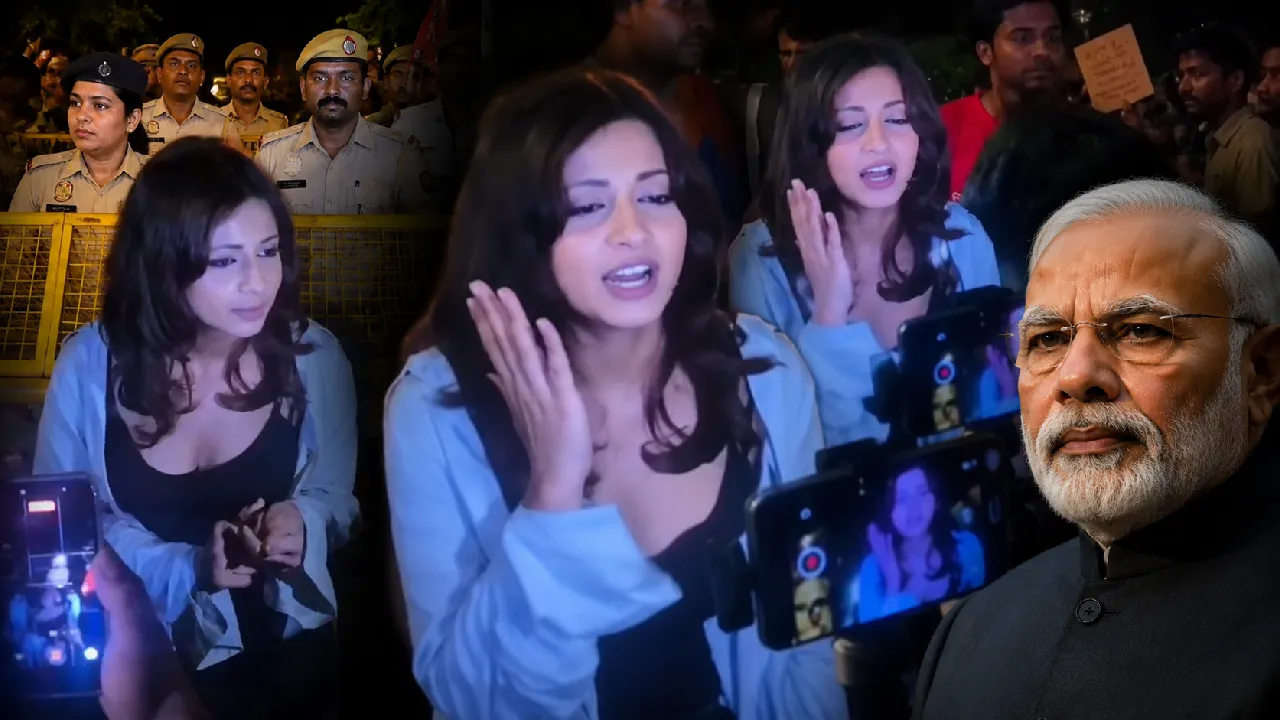
The investigation now sits with Parliament Street Police Station in Delhi. Officers are expected to work through the available evidence before deciding whether further legal steps are warranted.
This case isn't going away quietly. It touches too many raw nerves, freedom of speech, the boundaries of political expression during a Delhi protest, and what it actually looks like when the law is applied without bias.