/
/
RBI Plastic Notes: Rumors of RBI banning paper notes from June 30 triggered panic online. Here's what the government and RBI have officially said.
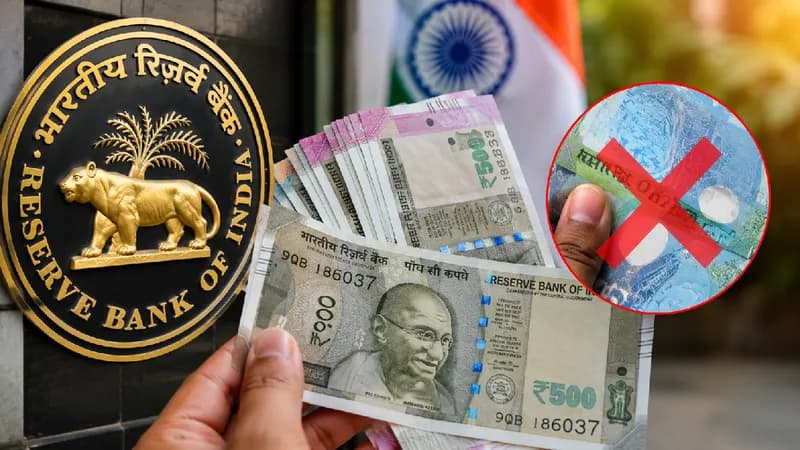
A viral social media post managed to do what few things can, make millions of Indians anxious about the cash sitting in their wallets. The claim was simple and alarming: the RBI Plastic Notes rollout would begin on June 30, 2026, and all existing paper currency would be pulled out of circulation. It spread quickly, and for many people, it brought back uneasy memories of the 2016 demonetization.
So, is there any truth to it?
No. Not even close.
The rumor picked up steam after posts and videos started circulating online, claiming the Reserve Bank of India would completely replace paper notes with polymer ones by June 30, 2026.
What made it worse was how the content was packaged, edited visuals of Indian currency notes and a manipulated audio clip designed to sound like Prime Minister Narendra Modi's voice. People genuinely started worrying whether their ₹10, ₹20, ₹50, ₹100, ₹200, and ₹500 notes would still be accepted.
The government's fact-checking body, PIB Fact Check, stepped in and shut it down.
PIB was direct: the claim is completely false. RBI has made no announcement about withdrawing paper currency by June 30, and there is no official plan for plastic notes to immediately replace what's already in circulation. The agency also reminded citizens to only trust information coming directly from RBI, not forwarded messages or social media videos.
Here's where things get a little more nuanced. The viral claim is fake, but the idea of polymer notes isn't entirely made up.
RBI Governor Sanjay Malhotra recently confirmed that the central bank is looking into the possibility of introducing polymer-based currency at some point in the future. But he was equally clear that it's still early days, no decision has been made, no timeline has been set, and there is absolutely no plan to ban existing paper currency this month.
So yes, India is studying the concept. But studying something and implementing it overnight are very different things.
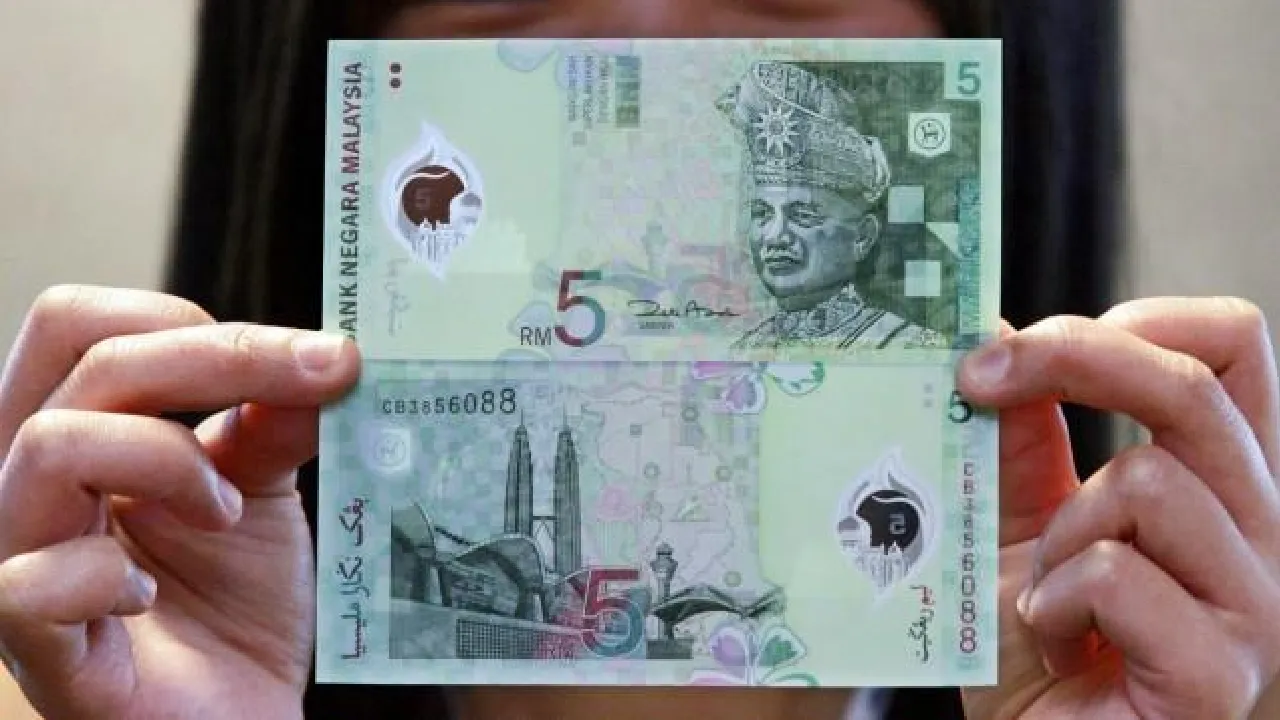
Countries like Australia, Canada, Singapore, New Zealand, and the United Kingdom already use polymer currency, and the reasons are pretty practical.
These notes are made from a special polymer material rather than the cotton-based paper used for regular currency notes.The advantages are hard to ignore:
For a country like India, where cash is still used a lot, it makes sense to consider notes that last longer and don't need to be replaced as often.
This isn't India's first encounter with the idea.
Back in 2014, the government launched a pilot project for one billion ₹10 polymer notes, with testing planned across five cities, Kochi, Mysuru, Jaipur, Shimla, and Bhubaneswar. The project was eventually shelved because it ran into a number of technical and operational issues.
The current conversations around polymer currency suggest RBI is taking another look, this time assessing whether the technology fits India's vast and complex currency ecosystem.
Absolutely not.
Every Indian currency note in circulation today remains legal tender. RBI has issued no instruction asking people to exchange or return their current notes. If polymer notes ever do make it to India, experts expect the transition would be gradual, introduced alongside existing currency, not as a sudden swap.
Financial misinformation travels at a frightening speed, especially when it involves people's money. The Paper Currency Ban rumor is a good reminder that viral videos and WhatsApp forwards aren't the same as official government announcements.
The government's position is clear: there is no June 30 deadline, no plan to withdraw paper notes, and no nationwide rollout of polymer currency anytime soon.
India may well explore Polymer Notes India down the line, but any real change to the country's currency system will come through an official RBI announcement, not a rumor circulating on social media.
the claim about paper currency being banned from June 30 is false. RBI is only in the early stages of exploring polymer notes, and your current cash is completely valid.