/
/
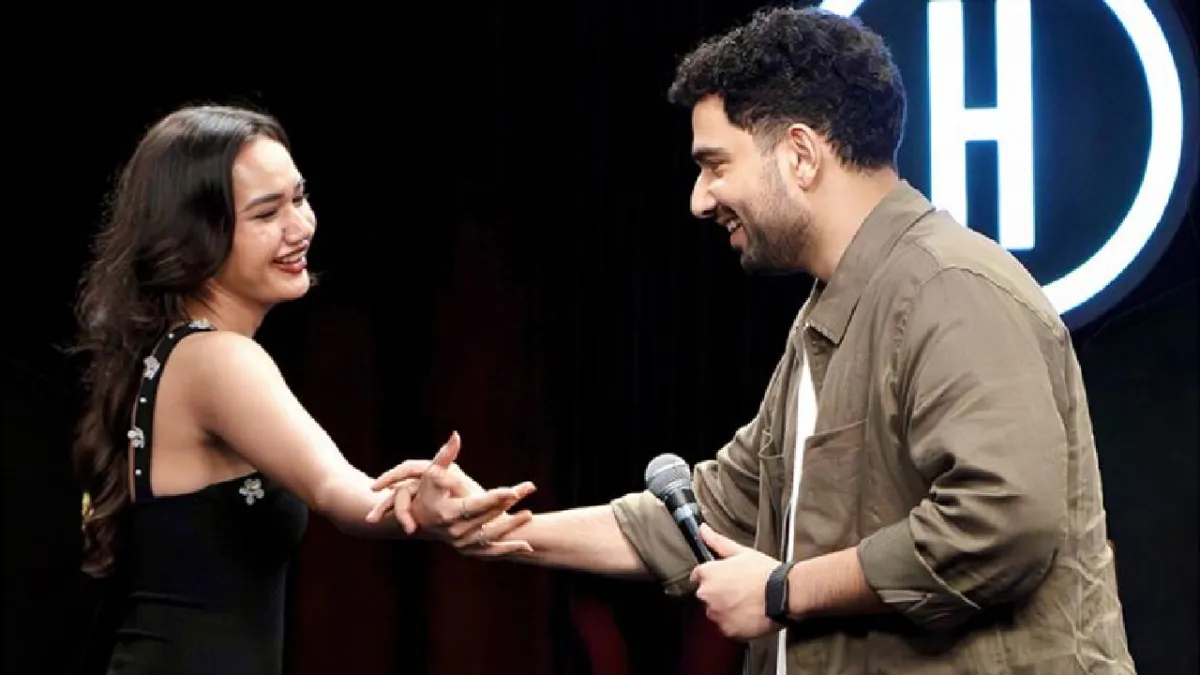
Comedian Samay Raina is facing fresh criticism after an exchange with fellow comedian Sharon Verma on India’s Got Latent 2 triggered debate over jokes involving Bihar, Kashmir and the displacement of Kashmiri Pandits.

Comedian Samay Raina is facing fresh criticism after an exchange with fellow comedian Sharon Verma on India’s Got Latent 2 triggered debate over jokes involving Bihar, Kashmir and the displacement of Kashmiri Pandits. The exchange took place in the latest episode of the second season, where Verma—who appeared as a contestant during the show's first season—returned as a panellist alongside Raina, Archana Puran Singh, Nishant Suri and Orhan Awatramani, popularly known as Orry.
Although the interaction was presented as comic banter, with both comedians participating in the exchange, clips from the episode circulated widely online and prompted criticism from several political leaders.
The controversy centres on jokes exchanged by Raina and Verma about their respective regional identities.
Raina made jokes about Verma's Bihari background, including references to migration to Mumbai for employment. Verma responded with jokes about Raina's Kashmiri identity, including a reference to "getting stoned", before delivering a comeback about having left her home state by choice. The exchange was made in a comedy-show setting and the two continued engaging with each other rather than presenting the interaction as a serious confrontation. However, portions of the episode subsequently drew criticism online. The backlash has largely focused on whether regional stereotypes and references to the displacement of Kashmiri Pandits should be used as material for comedy.
The criticism has expanded beyond social-media reactions, with politicians from several parties commenting on the episode. Shiv Sena (UBT) leader Anand Dubey criticised Raina's use of references to specific regions and communities, arguing that comedy should not rely on jokes targeting caste, state or religious identities.
Bihar Education Minister Mithilesh Tiwari similarly said derogatory comments about citizens were unacceptable and stressed the importance of equality irrespective of caste or creed. Congress leader Harish Rawat also argued that humour loses its value when it is used to demean a caste, community or region.
At the same time, AAP leader Sanjay Singh took a more conciliatory view. He said comedians generally intend to make audiences laugh and can sometimes cross a line inadvertently, suggesting that dialogue would be preferable to turning the incident into a larger confrontation.
The strongest criticism from some leaders concerned Verma's joke about Raina's Kashmiri identity and the wider history of Kashmiri Pandit displacement. Shiv Sena leader Sanjay Nirupam said humour should generally be viewed as humour, but added that the Kashmir-related reference did not sit comfortably with him because of the history of atrocities and displacement faced by Kashmiri Pandits.
BJP MLA RS Pathania also condemned the remarks, arguing that such comments conflict with broader social and constitutional values. PDP leader Syed Tajamul Islam emphasised the historical and cultural importance of Kashmiri Pandits to Jammu and Kashmir. He said their displacement should not be reduced to the suggestion that they simply left their homes by choice.
BJP leader Ram Kadam separately called for stronger measures against artists whose work, in his view, deliberately hurts religious or community sentiments.
There is no indication from the exchange itself that Raina and Verma were engaged in a genuine personal confrontation.
The comments occurred within a comedy programme and were delivered as part of a back-and-forth exchange. The viral clips, however, have been viewed independently of the full episode, contributing to differing interpretations of the interaction. That distinction is important. Criticism of the jokes does not necessarily establish that either comedian intended the remarks as literal statements about Bihar, Kashmir or their respective communities.
As of the latest publicly available reports, neither Raina nor Verma has issued a public statement responding to the political criticism surrounding the exchange.
The latest episode comes after a turbulent period for India's Got Latent and its creator.
The first season became embroiled in a major controversy in 2025 after remarks made by YouTuber Ranveer Allahbadia during an episode triggered widespread backlash and legal proceedings. The controversy ultimately led to the show's episodes being removed from YouTube.
Raina has also faced legal scrutiny over other remarks made on the programme. More recently, in August 2026, the Supreme Court quashed criminal proceedings against Raina and four other comedians concerning remarks about persons with disabilities, after taking note of subsequent efforts to promote awareness and dignity for people affected by spinal muscular atrophy.
India's Got Latent has since returned for a second season, with the new episodes available through YouTube and Netflix.
At the time of publication, Raina has not publicly responded to the political criticism over the Bihar-Kashmir exchange, according to the available reports. The absence of a response means claims about his intentions should be treated cautiously. The controversy currently rests on the episode's content, the viral clips and the reactions from politicians and viewers.
The episode has once again highlighted a difficult question for Indian comedy: where should comedians draw the line between satire and jokes involving identity, history and social trauma?
Political and public reactions to the Raina-Verma exchange have been divided. Some leaders have called for greater restraint and accountability, while others have argued that a comedy exchange should not be transformed into a political controversy. For Indias Got Latent, the episode is another reminder of the intense scrutiny surrounding a show whose format depends heavily on provocative, unscripted and often boundary-pushing humour.
For audiences, the debate ultimately turns on whether jokes about regional identity and painful historical experiences can be separated from the real-world issues they reference.