Goodbye OxygenOS and Realme UI: OnePlus and Realme Confirm Move to ColorOS 17 With Android 17
OnePlus and Realme confirm the shift to ColorOS 17 with Android 17. Here's what changes, eligible phones, rollout details, and what users can expect.


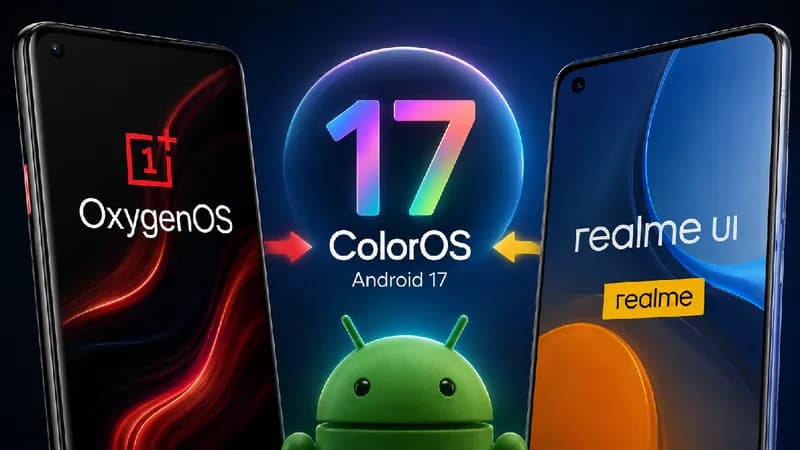
Well, it's official. ColorOS 17 is going to be the new software home for both OnePlus and Realme phones, taking over from OxygenOS and Realme UI when the Android 17 update generation arrives. A lot of people saw this coming after years of the three platforms slowly merging behind the scenes, but the formal confirmation still hits differently, it really is the end of an era.
The move is part of a larger plan to bring Oppo, OnePlus, and Realme under one software roof. The companies say this will mean quicker updates, better software quality overall, and a smarter use of their engineering teams.
ColorOS 17 Will Replace OxygenOS and Realme UI
Both brands have confirmed that eligible smartphones will shift to ColorOS 17 once it launches alongside Android 17.
New Realme phones won't ship with Realme UI anymore, and future OnePlus devices will gradually move away from OxygenOS. Phones that are already out and eligible for the update will also make the transition as part of their promised Android upgrade schedule.
For OnePlus users, the company is trying to make this as painless as possible. The upgrade to ColorOS 17 will be optional for eligible devices, and OnePlus has confirmed there'll be an option to roll back to OxygenOS afterward if you change your mind. Exact rollback details and timelines are coming separately.
On the Realme side, eligible existing phones will receive ColorOS 17 within their software support window. Phones like the Realme GT 8 Pro, which launched with Realme UI 7 and comes with four major Android upgrades, are among those expected to make the switch.
Why Are OnePlus and Realme Making This Change?
As big as this announcement sounds, the truth is these software platforms have been quietly sharing the same foundation for a while now.
Back in 2021, Oppo merged the development of ColorOS, OxygenOS, and Realme UI into a single shared codebase. Since then, all three have looked and felt increasingly similar, same system apps, same animations, same AI features, and a lot of the same core functionality under the hood.
By officially adopting a single operating system, Oppo aims to:
- Speed up Android 17 update rollouts
- Cut down on duplicate development work
- Improve software stability across devices
- Push out security patches faster
- Pool engineering resources across all three brands
Instead of running three separate teams to build what is essentially the same operating system, everything will now happen on one platform.
Will Users Notice a Big Difference?
For most Realme users? Probably not much.
Realme UI has been built closely on top of ColorOS for years now, so this transition is likely to feel more like a name change than an actual overhaul.
OnePlus users might feel it more, though.
OxygenOS earned a loyal fanbase by offering a clean, fast, near-stock Android experience without the bloat. Even though recent versions have already drifted much closer to ColorOS, a lot of long-time OnePlus fans still see OxygenOS as a core part of what makes the brand special.
OnePlus says the things users love, the speed, the smooth performance, the simple interface, will carry over, even under the ColorOS 17 name.
Existing Phones Will Continue Receiving Support
Both companies have been clear: this software transition doesn't change what they've already promised.
Users will still get:
- Android version updates as originally committed
- Regular security patches
- Warranty support
- After-sales service
- Bug fixes and maintenance updates
Phones that won't be eligible for Android 17 will stay on OxygenOS or Realme UI and continue receiving their scheduled updates as planned.
Bigger Changes Happening Behind the Scenes
This software consolidation is part of a broader shake-up within Oppo's business.
OnePlus has confirmed it will stop launching new smartphones in Europe and North America, though it will keep providing software support, warranty coverage, and repair services for existing users there.
The company has also been clear that its India business is running normally and has dismissed any speculation about pulling out of the market.
Realme, similarly, has said its India operations are completely unaffected by whatever global restructuring is happening elsewhere. It says it will keep investing in new products, expanding its retail presence, and supporting customers across India.
What Happens Next?
Neither company has put out a full rollout schedule or a complete list of eligible devices just yet.
ColorOS 17 is expected to show up first on new Oppo phones, then expand to eligible OnePlus and Realme devices after the official Android 17 update drops. More specifics, device eligibility, rollout phases, upgrade timelines, should come in the months ahead.
Should Users Be Concerned?
Losing OxygenOS and Realme UI is genuinely a big deal in the Android world. For fans who grew up with the clean simplicity of OxygenOS in particular, this stings.
But here's the thing, the three operating systems have been sharing DNA for years. If Oppo actually delivers on faster updates, better stability, and stronger long-term support under ColorOS 17, users might find the trade-off worth it in the end. Whether the loyal OnePlus community warms up to the change or keeps grieving the loss of OxygenOS is something we'll only really know once those first Android 17 update rollouts begin.