Xiaomi HyperOS 3.3 Update Rolls Out with Android 17: Xiaomi 17 Series Gets It Before Samsung
Xiaomi starts rolling out HyperOS 3.3 based on Android 17 for Xiaomi 17 series and 15T Pro with stability improvements and June 2026 security patch.


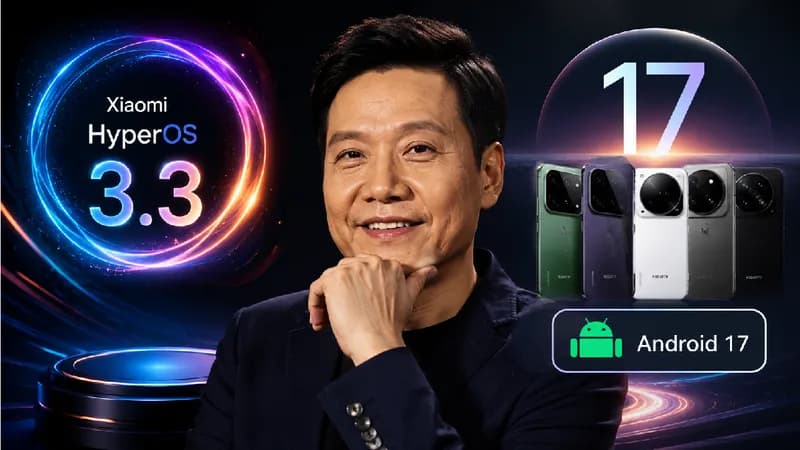
Xiaomi has quietly pulled off something many Android fans weren't expecting. The Xiaomi HyperOS 3.3 Update has officially started rolling out with Android 17, making Xiaomi the first smartphone brand outside Google to deliver Google's latest operating system to users. While the update doesn't introduce flashy new features, it marks a major milestone and sets the stage for the much bigger HyperOS 4 release expected later this year.
For users waiting for Android 17 on brands like Samsung, OnePlus or OPPO, Xiaomi has unexpectedly taken the lead.
Xiaomi HyperOS 3.3 Update Begins Rolling Out
The rollout has started for Xiaomi's latest flagship smartphones in Global and European markets.
The Xiaomi 17 and Xiaomi 17 Ultra are receiving the update through a public rollout, while Xiaomi 15T Pro users will need to be part of the Mi Pilot testing program before the wider release begins.
As with most Xiaomi software rollouts, the update is being released in phases, so eligible users may receive it over the next several days.
Android 17 Is Here, But Don't Expect a New Look
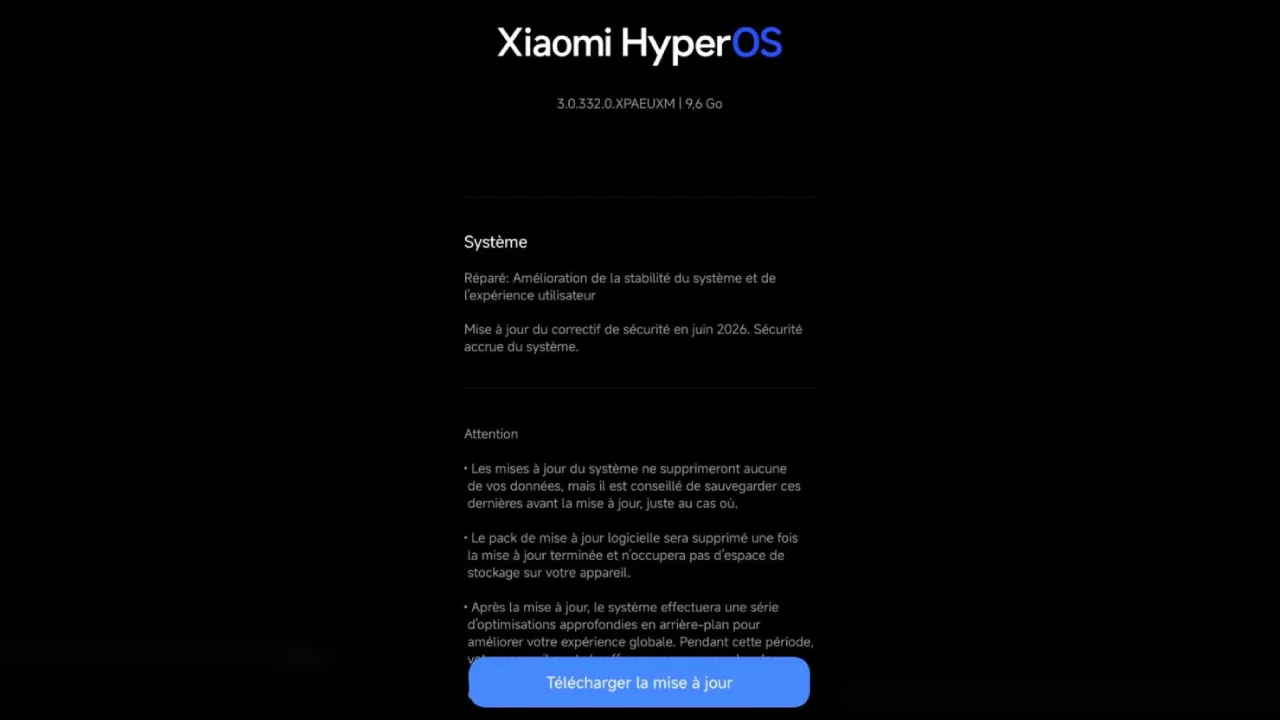
The huge download size might make users think a completely redesigned software experience is arriving. That's not the case.
Although HyperOS 3.3 upgrades devices to Android 17, Xiaomi has intentionally kept visual changes to a minimum. The official changelog only mentions:
- Improved system stability
- Better overall user experience
- June 2026 Android security patch
Interestingly, the changelog doesn't even mention Android 17 directly. Users will only see the new Android version after installing the update and checking the "About Phone" section.
Reports from early users also indicate that several Android 17 features introduced on Google's Pixel phones, including App Bubbles and Screen Recording Reactions, are currently missing from Xiaomi's build.
Why This Update Still Matters
At first glance, HyperOS 3.3 may seem underwhelming. But this update is much more important than it appears.
Instead of delivering new features immediately, Xiaomi is moving its flagship devices onto Android 17's latest software foundation. That allows developers to build upcoming AI tools, performance improvements and future features on a more modern platform.
In simple terms, HyperOS 3.3 is preparing Xiaomi phones for what's coming next rather than trying to impress users today.
HyperOS 4 Is the Real Upgrade Everyone Is Waiting For
Industry reports suggest Xiaomi is already preparing HyperOS 4 for launch alongside the upcoming Xiaomi 18 series, likely in August 2026.
Unlike HyperOS 3.3, HyperOS 4 is expected to introduce:
- Major interface redesign
- New AI-powered features
- Better animations
- Performance optimizations
- Expanded Android 17 capabilities
- Improved battery management
Leaks have also hinted at refreshed icons, deeper system customization and broader ecosystem integration across Xiaomi devices.
Should You Install the Update?
If HyperOS 3.3 is available on your device, it is generally safe to install.
Since it is a full Android version upgrade, users should back up important data, ensure they have enough free storage, keep the battery sufficiently charged and connect to a stable Wi-Fi network before downloading the 7.5GB to 9.5GB package.
The installation process may also take longer than a regular monthly security update.
Xiaomi Takes an Early Lead in the Android 17 Race
Xiaomi wasn't expected to beat Samsung and several other Android manufacturers to Android 17, but that's exactly what has happened. Even though HyperOS 3.3 doesn't transform the user experience overnight, it gives Xiaomi an early advantage in the race to deliver Google's latest software.
For Xiaomi 17 series owners, this rollout is less about what changes today and more about what it unlocks in the months ahead. With HyperOS 4 now on the horizon, Android 17 is finally becoming a reality beyond Google's Pixel lineup, and Xiaomi users are getting there first.