/
/
Attend your first esports tournament like a pro! Tips, what to expect, games, crowd, and why even non-gamers get hooked on live competitive gaming events.
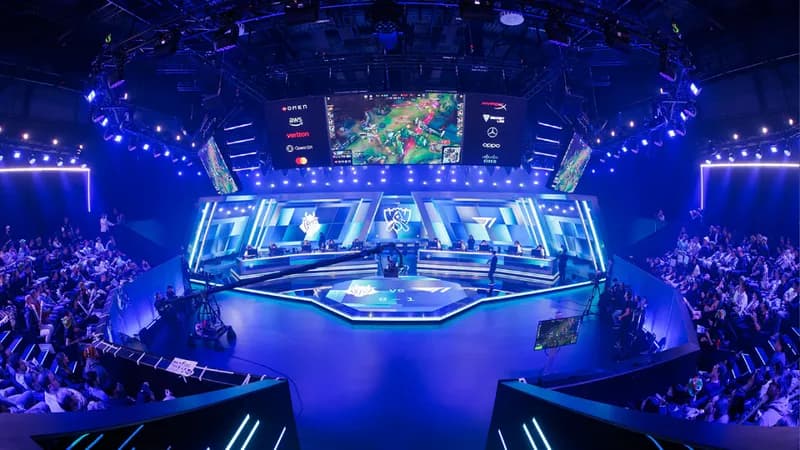
Let me be upfront with you: I am not a gamer. I don't own a gaming PC, I haven't touched a console since my college roommate's Xbox 360, and the last video game I played with any real commitment was probably Mario Kart at a birthday party. So when my nephew begged me to come with him to a live esports tournament last spring, I figured I'd spend a few hours pretending to care while secretly checking my phone. What actually happened? I had one of the most electric, genuinely fun esports tournament experiences of any live event I've ever attended — and I've been to Super Bowl watch parties, NBA games, and a handful of music festivals. I came in skeptical. I left a convert. Here's the full story, and why I think you might want to consider attending an esports live event for yourself.
Before I get into my personal story, it's worth answering the question I had walking in: what is it like to attend an esports tournament when you have zero background in competitive gaming? Because I genuinely had no idea what to expect. I imagined a quiet convention center filled with teenagers silently staring at screens. That could not have been further from reality.
An esports tournament is a live competitive gaming event where professional players or teams face off in games like League of Legends, Valorant, Counter-Strike 2, Rocket League, or fighting games like Street Fighter. The events range from small local competitions held in bars and gaming cafes all the way up to massive arena spectacles that sell out venues like the Staples Center (now Crypto.com Arena) or Madison Square Garden. The one I attended was mid-tier — a regional qualifier held in a converted warehouse space that held maybe 3,000 people. And it absolutely roared.
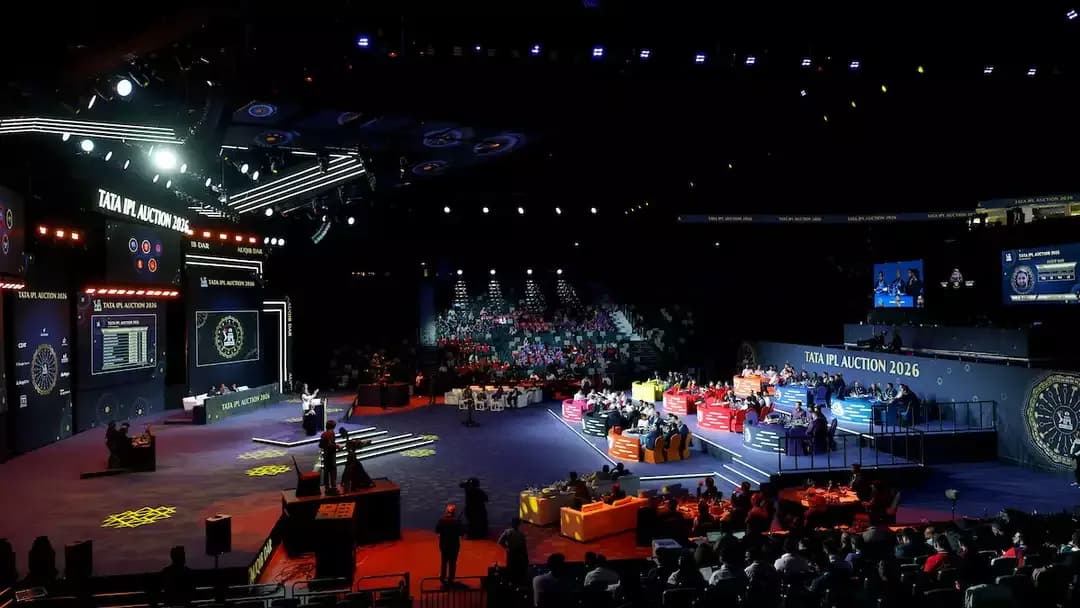
Walking in, my first surprise was the production value. There were giant LED screens hanging from the ceiling, a professional broadcast desk where commentators (they call them "casters") were hyping up the crowd like sports announcers, team merchandise booths lining the walls, and a floor section where the most dedicated fans stood and screamed. It genuinely felt like walking into a mid-size music venue on a sold-out night. The energy in the room was already buzzing before the first match even started.
Here's something I didn't expect at all — the crowd wasn't what I thought it would be. Yes, there were plenty of teenagers and college-aged guys in team jerseys. But there were also couples on dates, families with kids, groups of women in their 30s wearing matching fan gear, older adults who clearly knew the games inside and out, and plenty of people who, like me, looked like they'd wandered in out of curiosity. The demographic range genuinely surprised me. Esports has quietly built one of the most broadly diverse fan bases in entertainment.
I'll be honest — the first thirty minutes, I was lost. The game on screen moved fast, the terminology was foreign, and I couldn't always tell who was winning. My nephew was doing his best to explain things, but I kept nodding politely while understanding maybe 40% of what he said. And then something shifted.
One of the players on the team we were rooting for pulled off what I can only describe as an insane, against-all-odds play. I still couldn't fully explain what happened mechanically, but the casters' voices shot up about four octaves, the crowd erupted, and my nephew jumped out of his seat screaming. I felt a chill run down my arms. That involuntary, visceral reaction to watching someone do something incredible under pressure? That's not unique to football or basketball. It's universal. And in that moment, I got it.
That's the thing about attending an esports tournament in person that you simply cannot replicate watching a stream at home — the collective emotional experience of a crowd. When thousands of people gasp and cheer at the same moment, your body responds whether you understand the game or not.
Okay, so you're intrigued. Maybe you've got a friend or family member who wants to drag you to one, or maybe you're just curious enough to look one up in your city. Here are the first time at an esports event tips I genuinely wish someone had given me before I walked through those doors.
You don't need to become an expert. But spending 20 minutes on YouTube watching a "beginner's guide" video for the featured game will pay massive dividends. Even understanding the basic objective — "this team is trying to destroy the other team's base" or "this is a 5v5 first-person shooter where eliminations matter" — gives you enough scaffolding to follow along and actually feel the tension of key moments.
Having my nephew next to me was invaluable. He could whisper context ("that player is considered the best in the region"), explain terminology, and share his genuine excitement with me. If you don't have a gaming friend available, don't worry — the community at these events is often incredibly welcoming to newcomers. I had complete strangers explain things to me cheerfully when I asked dumb questions.
We got there about an hour before the main event, and that extra time was gold. We browsed the merch booths, grabbed food, watched some warm-up matches on the smaller side screens, and soaked in the atmosphere before it got truly packed. Arriving early also lets you grab good floor spots if the event has general admission sections.
Most organized esports tournaments have an app or a website showing the tournament bracket, team info, and schedule. Having that context on your phone makes the viewing experience dramatically more engaging. You can follow player stats, understand the stakes of each match, and feel genuinely invested in who advances.
I walked in planning to spend zero dollars on merchandise. I walked out with a team hoodie. The quality of esports merch has gotten legitimately good, and the whole atmosphere makes you want something to remember the event by. I'm warning you so you can at least plan for it.
I keep coming back to this question because I know it's the one non-gamers are asking. Is this really worth my time and money? Here's my honest case for why esports tournaments are worth attending even if you've never touched a controller in your life.
Major esports organizations have poured enormous resources into making live events spectacular. We're talking custom light shows synced to in-game moments, pyrotechnics, live musical performances between matches, and broadcast production that rivals major sports networks. Even the smaller events I attended had a slick, professional feel that honestly exceeded my expectations for what I assumed would be a "niche" hobby event.
There's something genuinely infectious about being surrounded by people who are deeply passionate about something, even if you don't fully share that passion. The esports fan experience is fueled by communities that have built real bonds over years of following teams and players online. When you're in that room, you're briefly part of something bigger — a shared love of competition, skill, and drama.
Compared to attending an NFL game or a major concert, esports tickets are often remarkably reasonable. Many regional and mid-tier events offer tickets in the $25–$75 range. Even major international tournaments are frequently cheaper than comparable sports events of the same production scale. For the value of entertainment you're getting, it's genuinely a great deal.
Underdogs overcoming favorites. Veteran players making their final tournament runs. Young rookies shocking the world. Rivalries that span years of online history. Esports has all of these storylines, and if you do even minimal research on the players and teams before attending, you'll find yourself emotionally invested in outcomes in a way that sneaks up on you completely.
Not all esports events are created equal, and part of having a great first esports live event experience is picking the right one. Here's a quick breakdown of what's out there:
Local and Regional Events: These are great entry points. They're smaller, more intimate, and often free or very cheap to attend. Check local gaming cafes, convention centers, and community event boards. These events feature up-and-coming players and a passionate local crowd.
Mid-Tier National Events: These are what I attended — typically held in arenas or large event spaces, featuring established semi-professional and professional teams, with solid production value. Tickets usually run $30–$100.
Major International Championships: These are the Super Bowls of esports. Events like The International (Dota 2), League of Legends World Championship, and EVO (fighting games) draw tens of thousands of in-person fans and millions of online viewers. They require planning, travel, and more significant ticket investment — but if you want the full spectacle, there's nothing quite like them.
Driving home that night, I found myself doing something I absolutely did not expect: I opened YouTube and started watching VODs of previous tournaments for the game I'd just seen. I wanted more context, more history, more of the storylines I'd only gotten glimpses of. My nephew, sitting in the passenger seat, just laughed. "I told you," he said. And he had.
The esports tournament experience surprised me because it challenged every assumption I'd brought to it. I assumed it would be insular and hard to access for outsiders. It wasn't. I assumed I wouldn't care about the outcome of matches. I very much did. I assumed the atmosphere would be flat compared to traditional sports. It wasn't — in some ways, it was more electric, because the crowd was made up almost entirely of people who had a genuine, deep connection to the game and its players.
Would I go again? Already bought tickets to the next regional event in my area. My nephew is thrilled. I'm pretending I'm only going for his sake. We both know that's not true anymore.
It's honestly more exciting than most first-timers expect. The atmosphere combines elements of a live sports event, a concert, and a fan convention all in one. There are big screens, enthusiastic crowds, professional commentary, and high-stakes competition. Even if you're not familiar with the game being played, the energy of the crowd and the drama of competition tend to pull you in quickly. Most people who attend for the first time end up wanting to come back.
Absolutely not. While having some basic understanding of the game being played does enhance the experience, it's not required to have fun. The commentators (casters) do a great job of narrating key moments and building excitement, and the crowd reactions will signal when something important has happened even if you don't fully understand the mechanics. Spending 15–20 minutes watching a beginner's guide video beforehand is more than enough preparation for a great experience.
Ticket prices vary widely depending on the event's scale. Local and regional tournaments can be free or cost $10–$30. Mid-tier national events typically range from $25–$100. Major international championships can range from $50 to several hundred dollars for premium seating. Overall, esports events tend to offer strong value compared to equivalent traditional sports or entertainment events of similar production quality.
Many esports events are very family-friendly, particularly those featuring games rated E or T (like Rocket League or League of Legends). It's worth checking the specific event and featured game beforehand, as some tournaments feature games with more mature themes. Generally speaking, most live esports events welcome attendees of all ages and families are a common sight in the crowd. Just check the event's content rating and any age restrictions on the venue's website before buying tickets.
A few good places to start: check Battlefy, Start.gg, or Challonge for local and regional tournament listings. Follow the official social media accounts of games you're interested in (like Riot Games for Valorant or League of Legends) as they often announce live events. Local gaming cafes and convention centers frequently host smaller events. Websites like Eventbrite also increasingly list esports events. For major international championships, check the official tournament websites for ticketing information well in advance, as they tend to sell out.
Comfort is key. Wear comfortable shoes since you may be standing for long periods. Bring a light jacket or layer — arenas can get cold with the air conditioning even when they're packed. Have cash or a card ready for merch and food. If you have a favorite team or player, wearing their colors or gear is a great way to connect with other fans. Consider bringing earplugs if you're sensitive to loud environments, as these events can get genuinely loud during exciting moments.
Completely different, and in the best possible way. Watching esports streams at home is convenient and has great production quality, but it lacks the collective emotional experience of being in a crowd. When thousands of people react simultaneously to a spectacular play, the physical sensation of that shared excitement is something a stream simply cannot replicate. The energy of a live esports event is one of those things you have to experience to fully understand — much like the difference between watching a concert on YouTube versus being there in person.
I walked into that tournament ready to be bored and came out genuinely changed in how I think about competitive gaming as entertainment. The esports tournament experience is more accessible, more electric, and more welcoming to newcomers than most people assume. Whether you're a lifelong gamer, a curious non-gamer, or a parent trying to connect with a kid who loves video games, attending a live competitive gaming event is worth your time. Do a little homework on the game, go in with an open mind, and let the atmosphere do the rest. You might just surprise yourself — the way I surprised myself.
And if you end up coming home with a team hoodie you didn't plan on buying? Well. Don't say I didn't warn you.