Harsh Dubey Questions Reservation During NEET Protest Debate, Viral NDTV Clip Sparks Nationwide Discussion
Harsh Dubey questioned reservation during an NDTV debate on the NEET paper leak, igniting fresh discussion over merit, quotas and medical admissions.


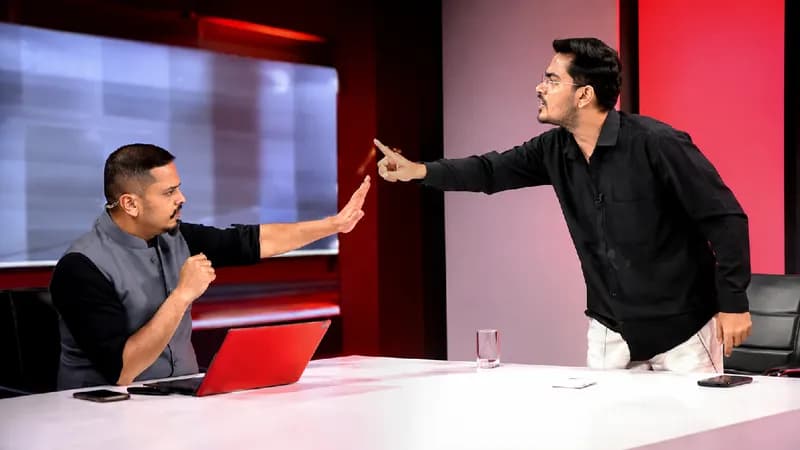
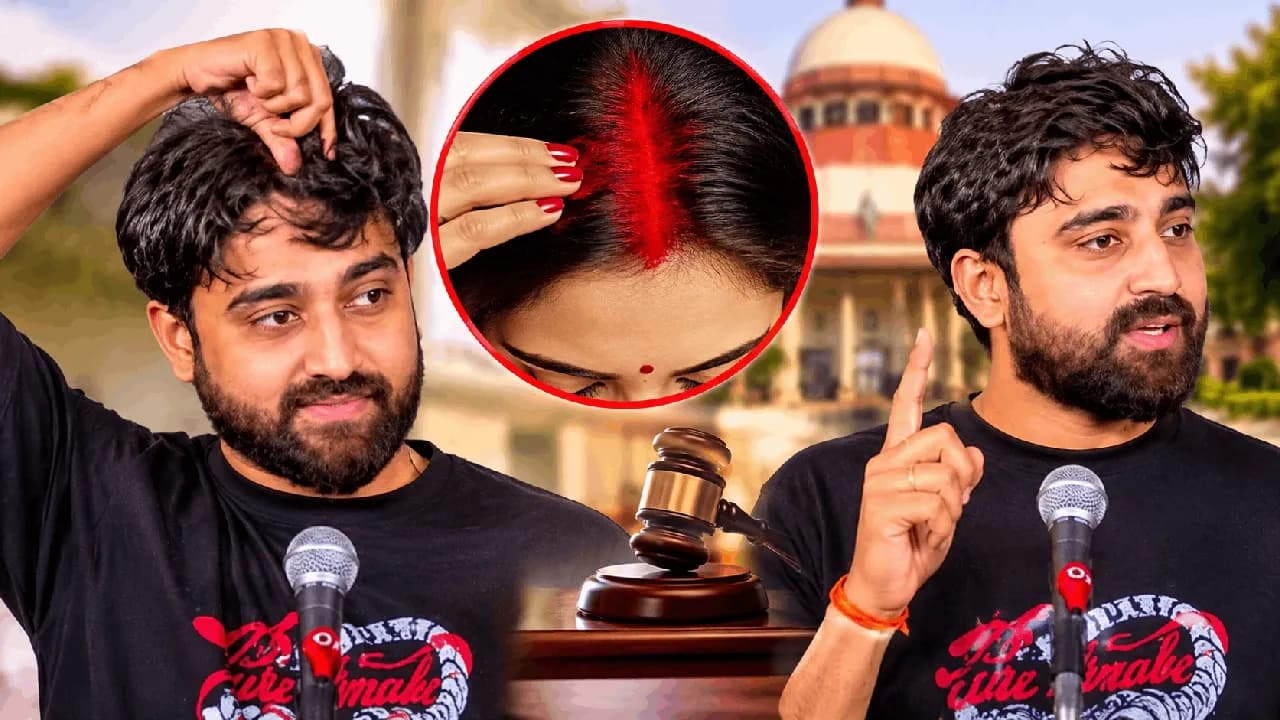
The Harsh Dubey Reservation Debate has quickly become one of those rare moments that stops people mid-scroll. What started as just another panel discussion about the NEET-UG 2026 controversy on NDTV turned into something far more charged when medical aspirant Harsh Dubey steered the conversation toward reservation policies, and the long-simmering frustrations of general category students that, in his words, keep getting pushed aside.
The clip spread fast. And the reactions it triggered were anything but mild.Harsh Dubey Questions Reservation During NEET Protest Debate, Viral NDTV Clip Sparks Nationwide Discussion
What Happened During the NDTV Debate?
It wasn't supposed to be about reservation. The NDTV discussion was focused squarely on the alleged NEET paper leak, a scandal that has had students across the country furious and demanding answers.
But NEET aspirant Harsh Dubey had something else on his mind too. He didn't dismiss the outrage over the exam leak. In fact, he acknowledged it. What he questioned was whether the wave of protests would ever push the conversation far enough to address what he sees as a much older, deeper problem.
He pointed out that while the examination scandal dominates headlines, issues like reservation in NEET, state-wise seat allocation, and the specific pressures on general category students rarely get the same kind of attention. At one point, speaking on the NDTV NEET debate, he became visibly emotional, and that raw, unscripted moment is what the internet latched onto.
Will CJP & Dickpe take up his fight also ? The boy spoke from his heart but unfortunately no one will care. General Category wala hai na. pic.twitter.com/uHbJecybmZ
— Wokeflix (@wokeflix) July 22, 2026
Harsh Dubey's Arguments on Reservation in NEET
During the debate, Dubey laid out his concerns plainly. He argued that general category students are often expected to score significantly higher on NEET to land a government medical seat, while candidates from reserved categories may secure admissions at considerably lower scores, depending on their category, state, and seat availability.
He brought up cutoff differences, suggesting unreserved students frequently need scores above 650, while some reserved-category admissions can happen at much lower thresholds. He also spoke about how peaceful protests by general category students in the past barely made a ripple in public discourse, and asked why reservation in NEET so rarely enters mainstream political conversation.
To be clear, these are Harsh Dubey's personal views from a live television exchange. They don't represent official figures or government-verified data.
Social Media Reacts to the Viral Clip
Once the clip from the NDTV NEET debate hit social media, X (formerly Twitter) became a battleground of opinions.
On one side, supporters rallied behind NEET aspirant Harsh Dubey, saying he gave voice to something thousands of students feel but rarely say out loud, that the competition is uneven and merit-based admissions need a harder look.
On the other side, critics pushed back. They argued that while his frustration might be genuine, his comments glossed over why India's reservation system exists in the first place, its constitutional roots, its role in addressing generational disadvantage, and that he offered no real policy alternative.
What's undeniable is this: the Harsh Dubey Reservation Debate shifted the online conversation well beyond the paper leak, pulling in questions about fairness, access, and what medical admissions in India should actually look like.
NEET Paper Leak Protest Continues
Meanwhile, the NEET paper leak protest shows no signs of dying down. Students are still on the streets, demanding transparent investigations and meaningful safeguards to protect the integrity of one of the country's most high-stakes entrance exams.
Harsh Dubey's position isn't that the paper leak doesn't matter. His argument, as he made it on the NDTV NEET debate, is that accountability for the exam scandal and a serious examination of structural issues, including reservation policies and seat distribution, shouldn't have to be an either/or conversation. Both, he suggested, deserve attention.
#IndiaMatters with @ShivAroor | NEET Aspirant Challenges Protest Narrative; Highlights Burden On Students pic.twitter.com/FGkKIWYQb2
— NDTV (@ndtv) July 22, 2026
Why the Debate Matters
Here's the thing about the Harsh Dubey Reservation Debate, it didn't create a new controversy. It exposed one that was already there.
Every admission cycle, some version of this argument resurfaces. The alleged paper leak brought students together around a common demand for accountability. But the viral TV moment revealed just how fractured opinions remain when the topic shifts to merit, quotas, and who gets a fair shot at a government medical college seat.
Reservation in NEET and broader medical admissions policy are not simple issues. India's reservation framework is constitutionally protected, built to correct deep-rooted historical inequities that didn't disappear overnight. At the same time, debates over cutoffs and competition aren't going away either, they reflect real anxieties felt by real students.
Whether the NEET paper leak protest eventually pushes legislators to revisit any of these structural questions remains to be seen. What's already clear is that NEET aspirant Harsh Dubey's unplanned, emotional moment on live television has made sure this conversation reaches far beyond the exam leak itself, and that's not nothing.