/
/
Disclosure Day Review: Steven Spielberg’s Disclosure Day divides critics and audiences, blending UFO conspiracies, emotion, and wonder in a bold sci-fi event film.

There is something genuinely wild about the fact that Steven Spielberg is still chasing that same sense of cosmic wonder nearly 50 years after Close Encounters of the Third Kind. In a cinematic landscape currently choked by superhero fatigue, algorithmic storytelling, and endless sequels, he’s dropped a massive sci-fi event with a beautifully old-school question at its core: what if discovering that we aren't alone in the universe actually brought humanity together?
That central question is driving the conversation in this Disclosure Day Review. Love it or hate it, the Disclosure Day movie has instantly cemented itself as one of the biggest talking points of 2026. It is absolutely crushing at the box office, but the internet is deeply divided over it. Honestly, it's just refreshing to see a massive blockbuster spark this kind of passionate, real debate again.
Directed by Steven Spielberg and penned by his longtime writing partner David Koepp, the film weaves together the lives of two total strangers who get caught in the crosshairs of an 80-year-old government cover-up.
On one side, we have Daniel Kellner (played with a frantic energy by Josh O’Connor), a tech whiz who leaks highly classified data from WARDEX, a shadowy defense contractor rumored to be hoarding wreckage from the infamous Roswell crash. On the other side is Margaret Fairchild (Emily Blunt), a Kansas City meteorologist whose life turns upside down when she starts experiencing terrifying visions and speaking in strange, alien languages she’s never heard before.
As their paths inevitably cross, they realize they are holding the keys to a truth that could change the world forever. The stakes quickly shift from a simple conspiracy to a massive philosophical battle: does humanity actually deserve to know the truth?
The stacked supporting cast includes heavyweight talent like Colin Firth, Colman Domingo, Eve Hewson, Wyatt Russell, and Elizabeth Marvel.
On paper, the plot might sound like your standard sci-fi fare. We’ve seen government cover-ups, whistleblowers, and little green men a thousand times before.
But Steven Spielberg Disclosure Day doesn't care about just giving us cheap jump scares or CGI alien invasions. Instead, he uses the UFO backdrop to explore something deeply human: trust, faith, empathy, and how disconnected we’ve all become from one another. The movie asks whether we are emotionally mature enough to handle the ultimate truth, or if our current societal divisions would just make us tear each other apart.
That emotional heartbeat is exactly what separates it from your run-of-the-mill summer blockbuster. Even the critics who felt the script dragged couldn't deny that Spielberg can still conjure up jaw-dropping moments of cinematic awe that no other living filmmaker can pull off.
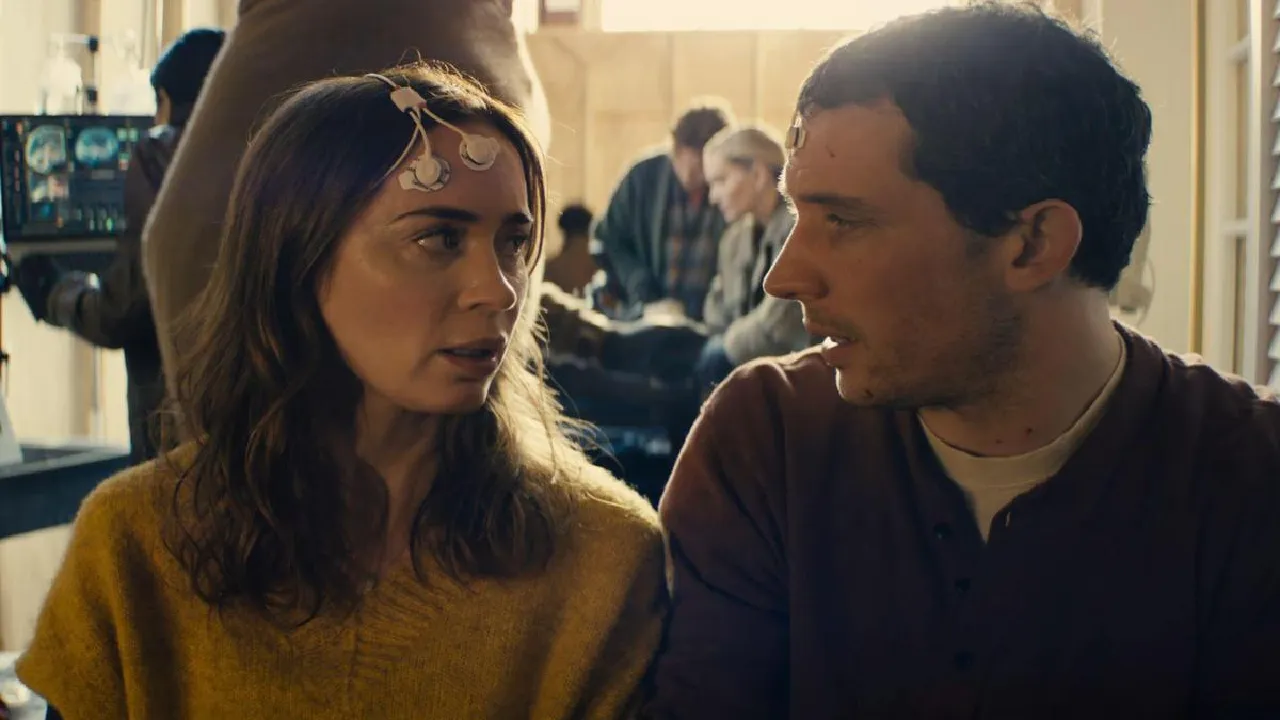
If there is one thing that everyone, from hardcore fans to cynical critics, can agree on, it’s that Emily Blunt Disclosure Day performance is the absolute anchor of the movie.
Playing Margaret Fairchild, Blunt walks a razor-thin line between sheer terror, confusion, wry humor, and overwhelming wonder. When the plot ventures into some seriously bizarre territory, her grounded, deeply vulnerable performance keeps the audience totally locked in.
Josh O’Connor brings a fantastic, anxious vulnerability to his role, while Colin Firth and Colman Domingo face off in a brilliant ideological battle, beautifully representing the two sides of the argument over whether the world is actually ready for disclosure.
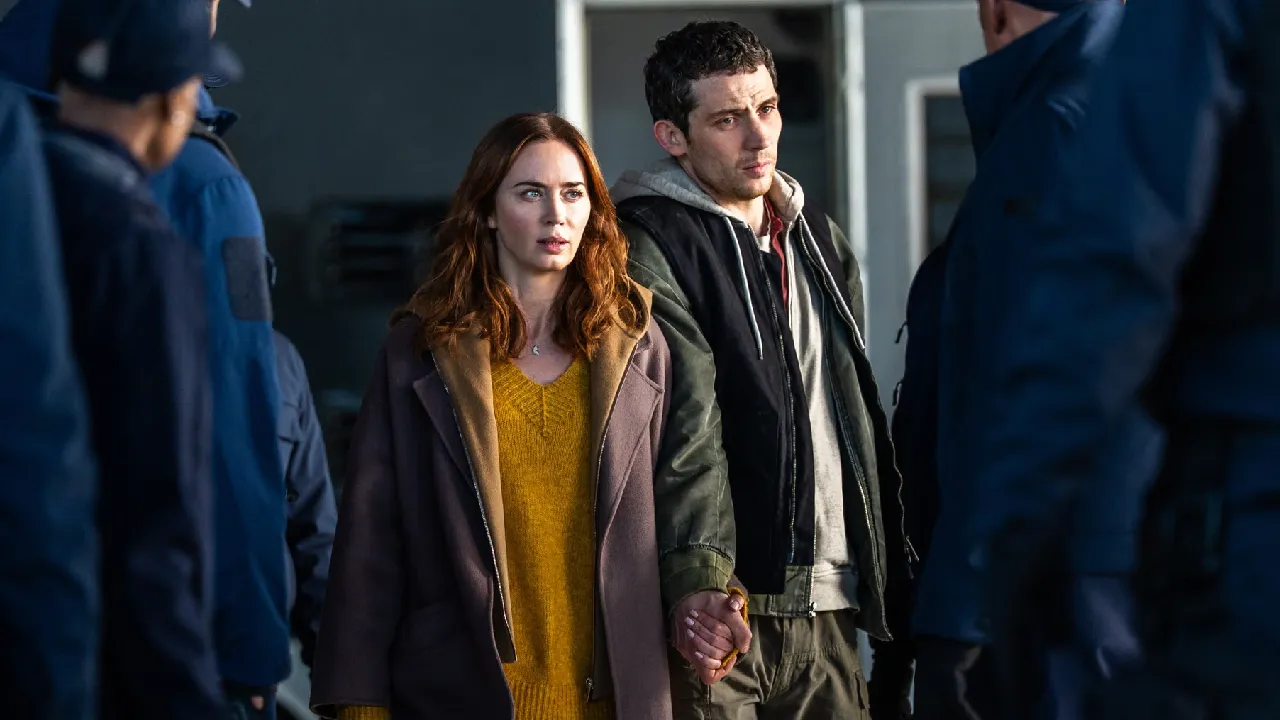
The biggest internet arguments about the film aren't actually about the CGI or the acting. They're about Spielberg's fundamental view of humanity.
The people who love the movie find its unyielding optimism incredibly refreshing. In a time when almost every sci-fi film is a bleak, cynical dystopia, this feels like a beautiful, heartfelt plea for human connection.
On the flip side, detractors argue that Spielberg's worldview feels a bit naive or outdated. Can a single cosmic revelation really heal a broken, divided society? Others have pointed out that the runtime is a bit self-indulgent, certain side characters get sidelined, and the actual alien lore is left frustratingly vague.
But honestly? Having a movie that forces people into intense debates is a massive win in today's safe, predictable movie culture.
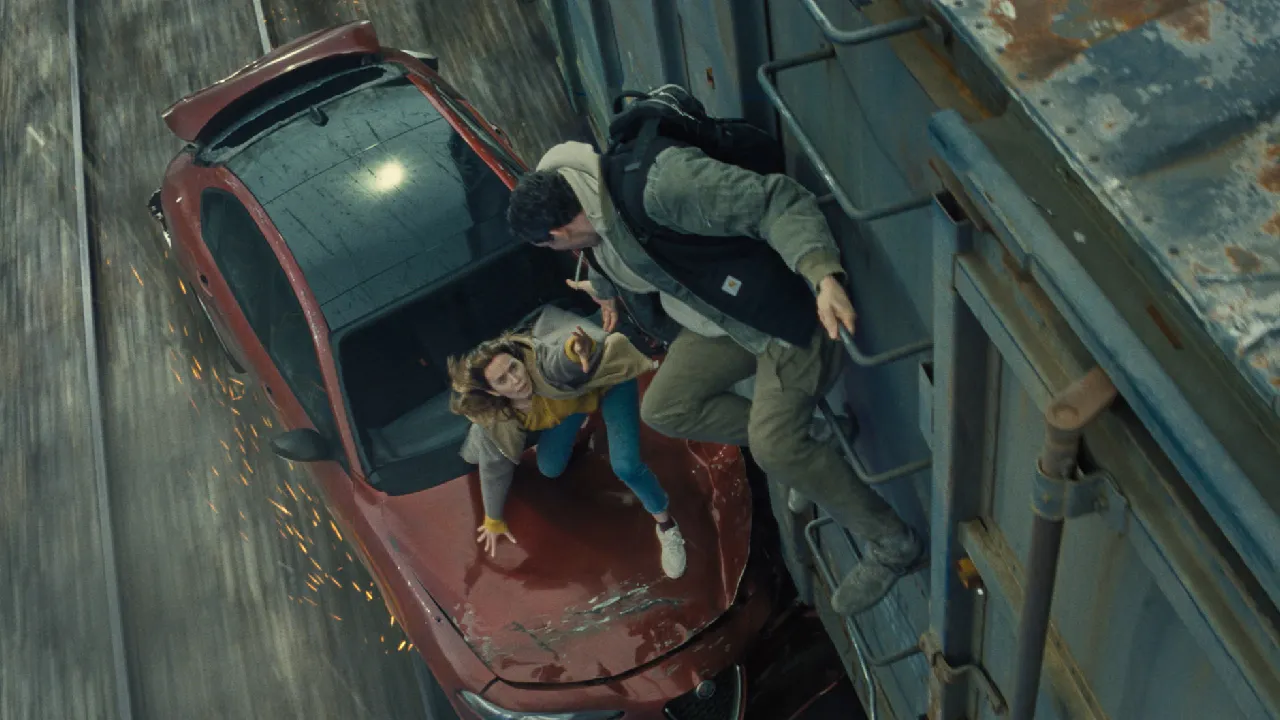
No matter where you land on the story, one thing is totally undeniable: Spielberg still knows how to put on a show.
Teaming up once again with his signature cinematographer Janusz Kamiński and the legendary composer John Williams, the director delivers several breathtaking sequences that remind you exactly why he’s the GOAT. The massive set pieces, the tear-jerking emotional beats, and the slow-burn mystery feel like a love letter to an era when blockbusters relied on genuine wonder rather than just loud explosions.
Even as he approaches 80, Spielberg is still swinging for the fences, trying to make movies that leave a lasting impression on our culture.
Look, is this movie going to replace Jaws, E.T.,Jurassic Park, or Schindler's List at the top of Spielberg's resume? Probably not.
But it doesn't need to.
What makes this film so captivating is its total lack of irony. It’s entirely sincere. Sure, its ambition sometimes outpaces its execution, and a few plot lines get left hanging. But its heart and its belief in the human spirit give it a unique soul that most modern blockbusters completely lack.
Whether you walk out of the theater feeling inspired or a bit skeptical, the film accomplishes something incredibly rare these days: it gives you something genuinely fascinating to talk about all the way home.
Rating: 4/5
For anyone who misses smart, thought-provoking sci-fi and classic, big-screen movie magic, this is absolutely one of 2026's must-watch theatrical experiences.