/
/
Iranian singer Parastoo Ahmadi and four colleagues received 74 lashes in Qom over a 2024 hijab-free YouTube concert, renewing debate over women’s rights.
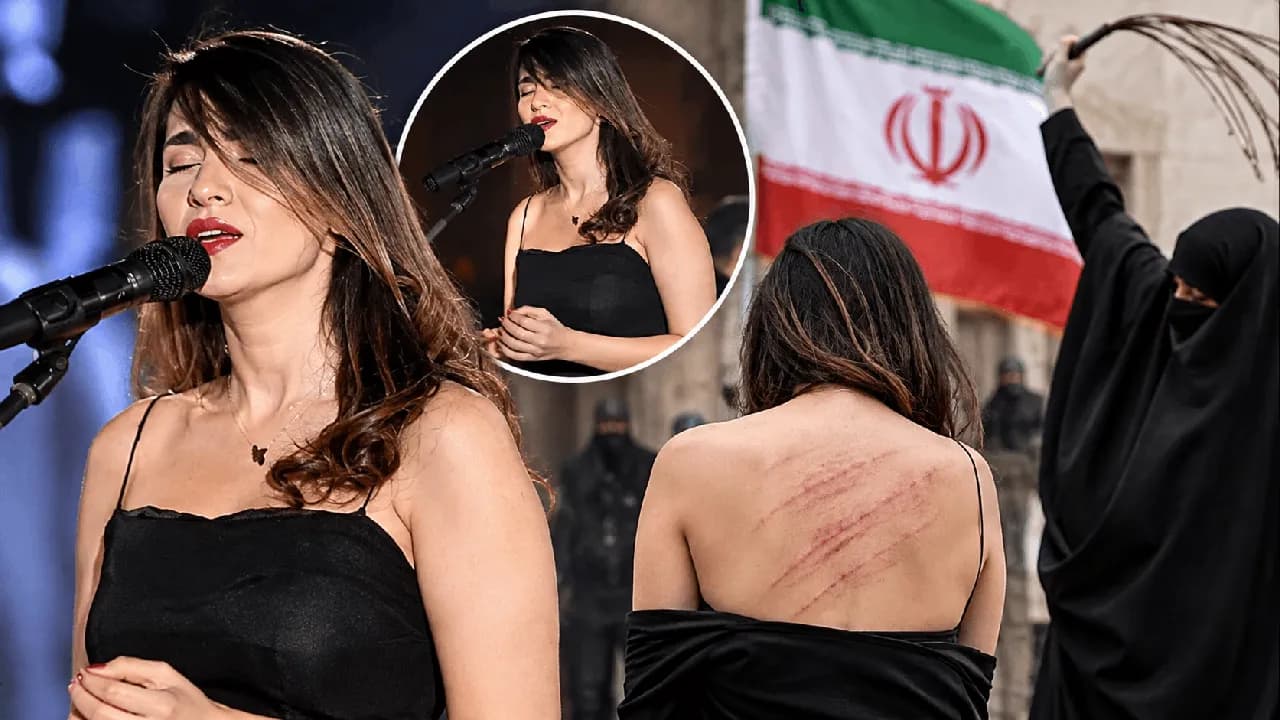
A music performance that attracted millions of viewers has ended in a shocking punishment. Iranian singer Parastoo Ahmadi has reportedly received 74 lashes for performing without a hijab in an online concert. Four other members of her concert team were punished with the same number of lashes in Iran's city of Qom on November 23, 2026.
The incident has once again brought Iran's strict dress code, restrictions on women's freedom and the treatment of artists under its legal system into the international spotlight. What makes the case particularly disturbing is that the performance was recorded without a live audience and shared online.
Parastoo Ahmadi is a 29-year-old Iranian singer who has attracted attention for her music and her stance on women's freedom in Iran.
She became widely known internationally after sharing a special musical performance on her YouTube channel in December 2024. The performance, filmed at the historic Deir-e Gachin Caravanserai near Qom, became known as the 'Imaginary Concert'.
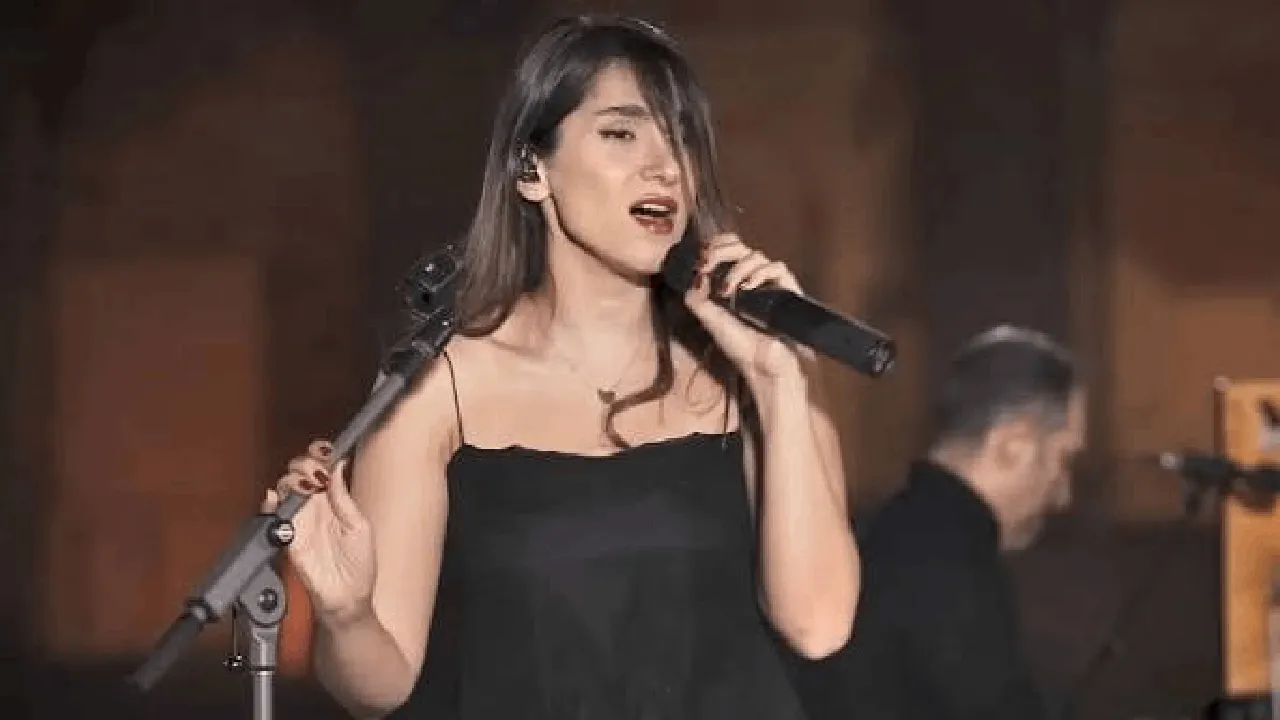
During the approximately 27-minute performance, Ahmadi appeared in a long black sleeveless dress without wearing the mandatory hijab. Her hair was uncovered, and she performed alongside male musicians.
There was no live audience at the venue. However, the video quickly gained attention online and reportedly received millions of views.
Ahmadi described the performance as an opportunity to sing for the people she loved and her country. She also performed the Iranian patriotic song 'Az Khoon-e Javanan-e Vatan'.
What appeared to many viewers as an artistic performance was viewed very differently by Iranian authorities.
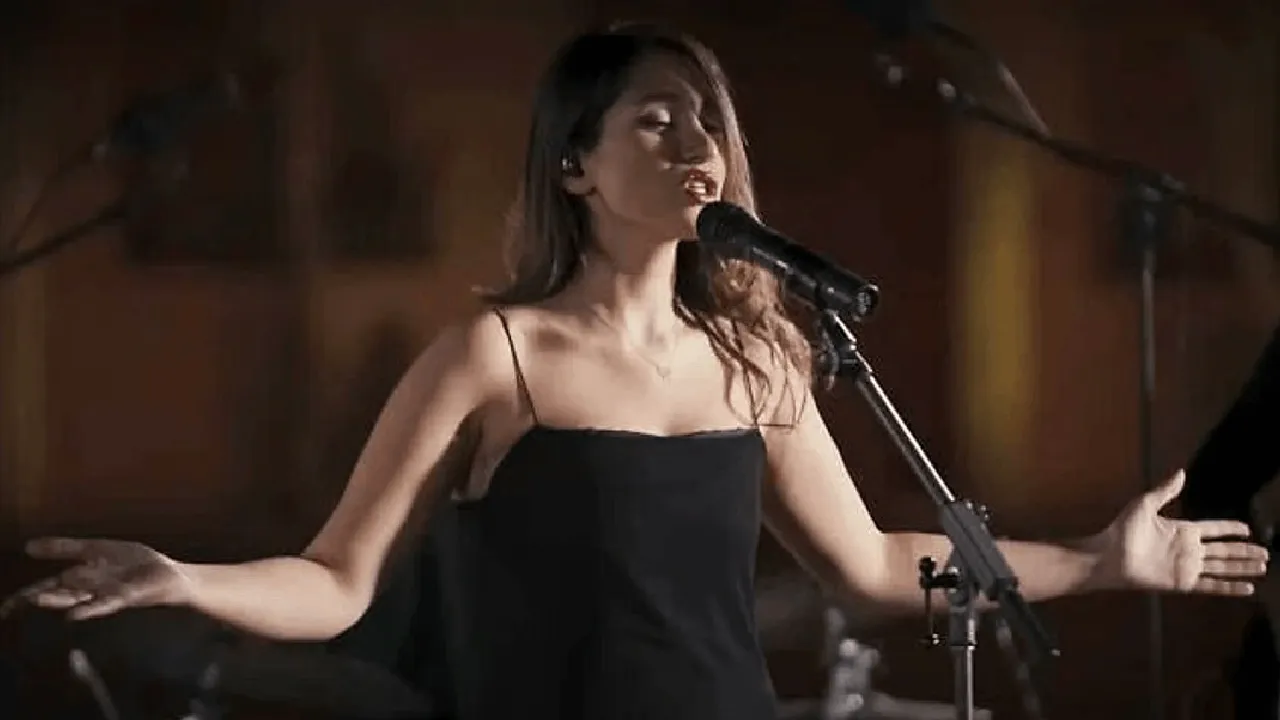
The controversy began after Ahmadi's concert video was published online in December 2024.
Iranian authorities considered the performance a violation of the country's legal and religious requirements. The judiciary-affiliated Mizan News Agency had earlier described it as an illegal concert that did not follow Iran's legal and religious standards.
Authorities subsequently initiated legal proceedings against Ahmadi and members of her production team.
In June 2026, a criminal court in Qom convicted Ahmadi and eight other individuals of offending public decency through the production and publication of material described by the authorities as obscene and immoral.
The defendants denied the allegations.
The court imposed several punishments, including:
74 lashes: A corporal punishment imposed in the case.
Two-year artistic ban: Restrictions on audiovisual and artistic activities.
Two-year travel ban: The individuals were prohibited from leaving Iran.
In September 2026, an appeals court rejected the defendants' appeal and upheld the sentences, according to their lawyers.
On November 23, the punishment was carried out against Ahmadi and four male members of her team.
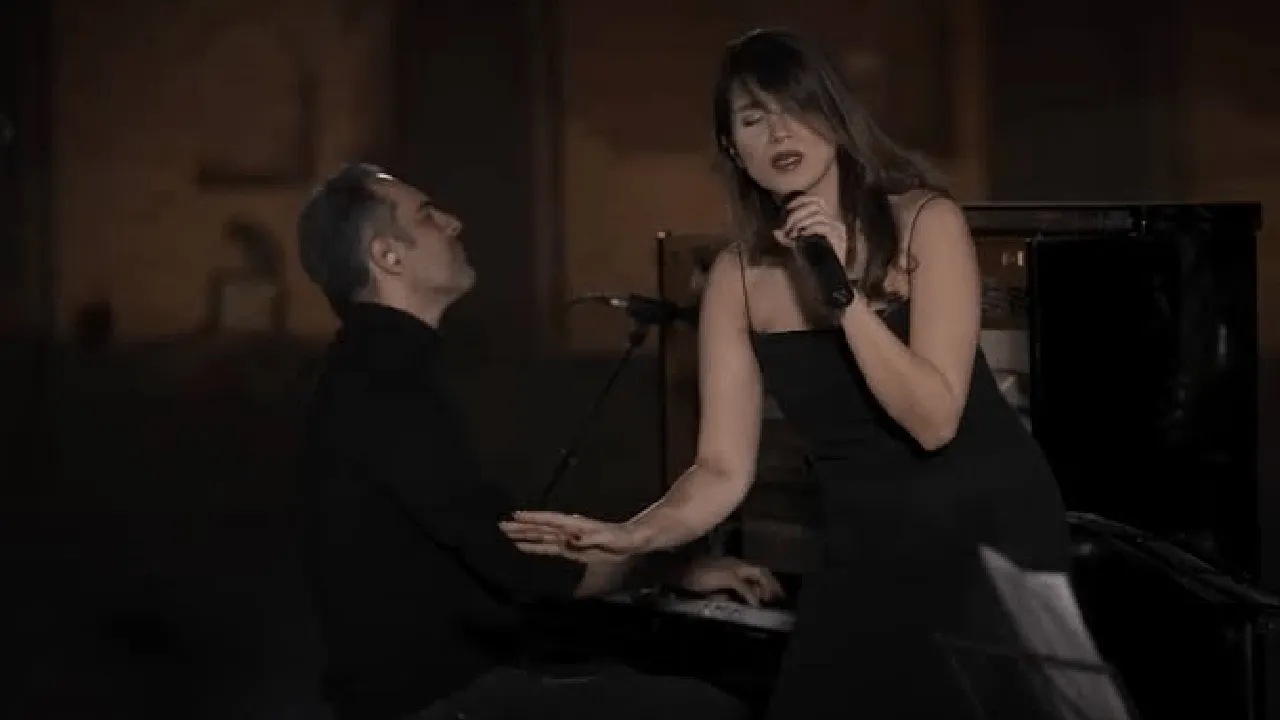
According to defence lawyer Mostafa Nili, cited by Iranian media outlet Etemad, four men received 74 lashes alongside Ahmadi.
They were identified as:
Soheil Faghih-Nasiri
Amin Taheri
Amirali Pirnia
Mohsen Lashkari
The group included three musicians and a producer or concert organiser.
A member of the defence team told the BBC that the lawyers had tried to overturn the verdict, reduce the punishment or at least postpone its implementation.
However, their efforts were unsuccessful.
The lawyer said the enforcement authorities insisted on carrying out the punishment immediately.
It remains unclear when the sentences against the other people originally convicted in the case will be enforced.
To understand this case, it is important to understand Iran's political and religious system.
Following the 1979 Islamic Revolution, Iran established an Islamic Republic under the leadership of Ayatollah Ruhollah Khomeini. Religious interpretations became central to the country's legal and political structure.
Under Iran's compulsory dress regulations, women and girls above puberty are required to cover their hair with a hijab and wear modest, loose-fitting clothing in public.
Women also face significant restrictions on solo public singing, particularly performances before mixed-gender audiences.
However, religious interpretations of music are not identical across all Islamic traditions. These restrictions reflect Iran's particular legal and religious framework.
In Ahmadi's case, the performance had no live audience. Nevertheless, authorities considered its online publication a violation of public decency and other legal requirements.
This has raised serious questions about how far the state can go in controlling an individual's artistic expression.
The debate surrounding women's freedom in Iran is not new.
In September 2022, 22-year-old Kurdish-Iranian woman Mahsa Amini died in custody after being detained by Iran's morality police over alleged violations of the country's dress code.
Her death triggered nationwide protests against compulsory hijab regulations and restrictions on women's rights.
The movement became internationally known through the slogan 'Woman, Life, Freedom'.
During the protests, many women removed or burned their headscarves, cut their hair and openly challenged the country's dress regulations.
Security forces responded with a major crackdown, during which hundreds of people were killed.
Since then, many Iranian women have continued appearing in public without covering their hair, despite the possibility of arrests, warnings and other legal consequences.
Parastoo Ahmadi has also been associated with this wider movement. Her musical performances and support for women's freedom have previously attracted attention from Iranian authorities.
The punishment has attracted criticism from artists, lawyers and international human rights organisations.
Bahar Ghandehari, advocacy director at the US-based Center for Human Rights in Iran, described the flogging as a violation of Ahmadi's fundamental rights.
Human rights advocates argue that punishing someone physically for their clothing choices and artistic expression represents a serious violation of personal freedom.
Amnesty International has also described flogging as cruel, inhuman and degrading punishment.
Under international human rights standards, torture and cruel, inhuman or degrading treatment are prohibited.
Iranian authorities, however, have repeatedly rejected international criticism of their human rights record, arguing that Western countries should also address human rights problems within their own borders.
Parastoo Ahmadi is not the only Iranian artist to face legal action over artistic expression.
Other musicians have also encountered restrictions and punishment.
In March 2025, Iranian singer Mehdi Yarrahi received 74 lashes in connection with a song associated with opposition to compulsory hijab regulations.
Singer Zara Esmaeili was also arrested in 2024 after performing publicly without a hijab.
In another case, singer Hiva Seyfizadeh received a prison sentence after performing traditional Iranian music in Tehran in February 2025. She challenged the allegations and said she intended to appeal.
These incidents highlight the difficult environment faced by artists who challenge Iran's cultural and religious restrictions.
For many artists, music is not simply entertainment. It is also a way to express personal beliefs, identity and dissatisfaction with existing rules.
The punishment of Parastoo Ahmadi has reopened an important debate about women's rights and freedom of expression in Iran.
Her case is particularly significant because the concert did not involve a live audience or a political speech. It was a musical performance shared online.
Yet, it resulted in a lengthy legal battle, a two-year ban on artistic activities and travel, and 74 lashes for the singer and four members of her team.
For human rights advocates, the incident reflects the continuing conflict between individual freedoms and Iran's compulsory religious regulations.
The bigger question is not simply why a singer performed without a hijab. It is whether women should have the freedom to decide what they wear, what they sing and how they express themselves.
A performance that could have remained just another musical video has now become an international talking point about freedom, dignity and women's rights.