/
/
Imtiaz Ali's Main Vaapas Aaunga is drawing emotional praise across India and Pakistan, turning Partition memories into a powerful story.
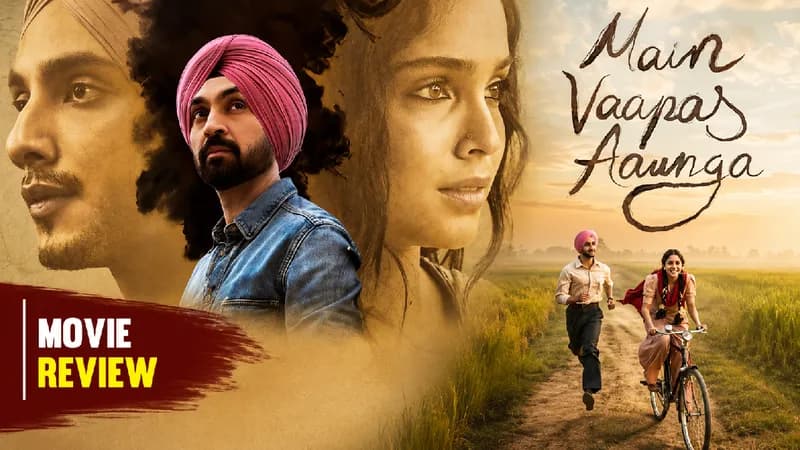
Some films make money. Others stay with you long after you've walked out of the theatre. Main Vaapas Aaunga is clearly one of the latter.
The latest Imtiaz Ali film hasn't exactly set the box office on fire, but it's doing something that feels far more meaningful, it's getting people to talk. Openly, emotionally, and honestly about memory, loss, and the wounds that Partition left behind. From India to Pakistan, audiences, filmmakers, writers, and academics are all saying the same thing: this film gets it right. It treats one of South Asia's most painful chapters not with anger or politics, but with genuine human empathy.
Starring Naseeruddin Shah, Diljit Dosanjh, Vedang Raina and Sharvari, the film tells the story of an elderly man living with dementia, whose fading mind keeps pulling him back to his childhood home in Sargodha, a place that now sits across a border he can never freely cross. He wants one last chance to go back, to remember, to find some kind of closure before it's too late.
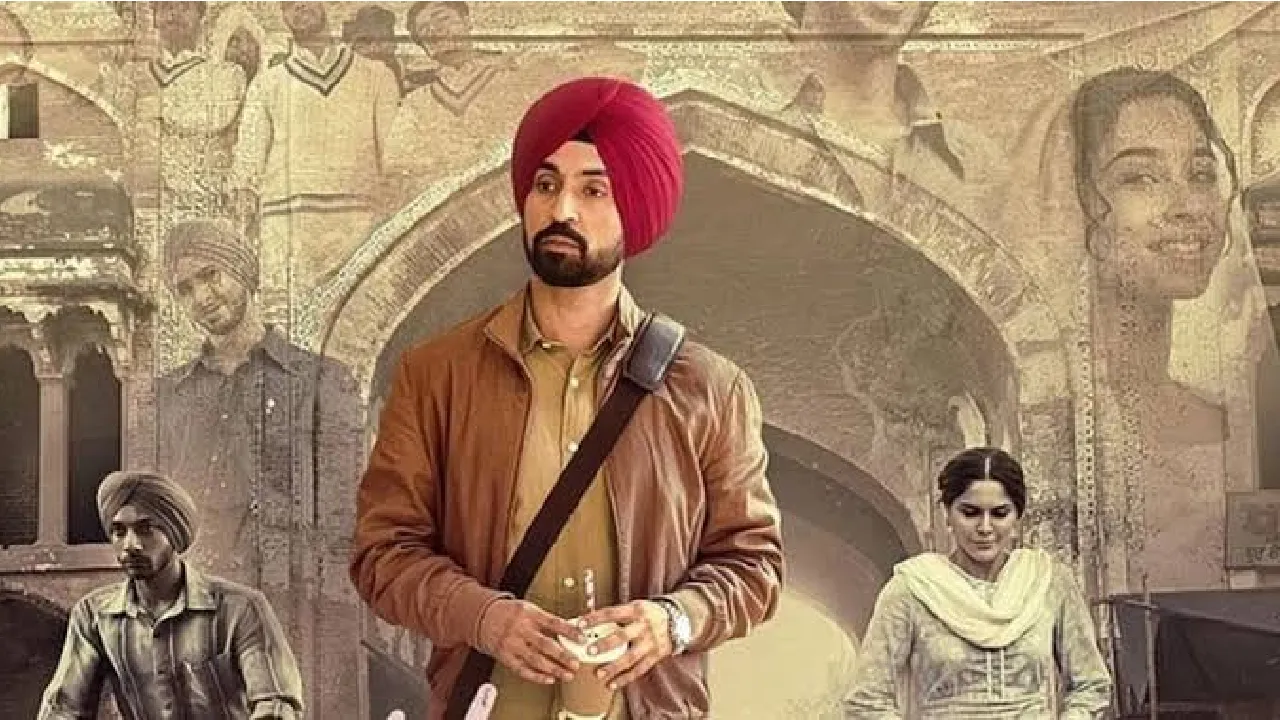
What sets Main Vaapas Aaunga apart is that it refuses to turn history into a headline.
There are no villains giving grand speeches here, no political commentary dressed up as storytelling. Instead, the film quietly follows ordinary people whose lives were turned upside down by extraordinary events.
Through Ishar Singh Grewal, brought to life by Naseeruddin Shah, we see how deeply Partition scarred the people who lived through it, and how that pain didn't just disappear with time. It passed down through families, through silence, through half-told stories at the dinner table.
What's particularly struck viewers is how the film handles memory. It doesn't romanticize the past or simplify it. It simply asks: what does it feel like to spend your whole life longing for a place you can never return to? For many people watching, especially those whose grandparents were among the millions displaced in 1947, that question hits very close to home.
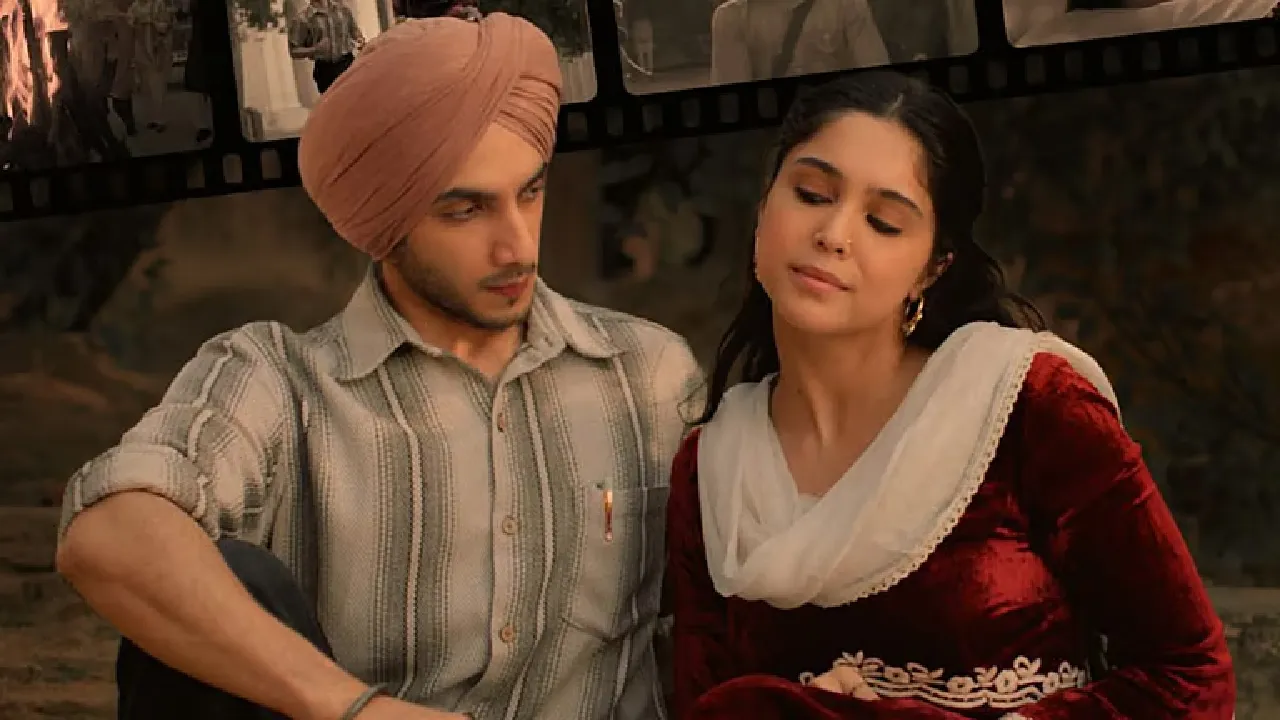
Perhaps the most unexpected, and genuinely moving, part of this film's journey has been the response it's received from Pakistan.
Pakistani filmmaker Umair Nasir Ali described the film as beautiful and deeply emotional, singling out Naseeruddin Shah's performance and editor Aarti Bajaj's work for special praise. He made a point that feels important: stories about Partition never really get old, because each generation finds something new in them, something personal.
Academics and writers in Pakistan have echoed that sentiment. Many have pointed to the film's quiet but firm argument, that historical trauma deserves to be remembered with care, not weaponized for modern-day divisions.
On social media, the reactions from across the border have been just as raw. People have been sharing stories about their own grandparents: men and women who left their homes during Partition and spent decades carrying the quiet hope that they might one day return, even just once.
If there's one thing almost everyone agrees on, it's this: Naseeruddin Shah is extraordinary in this film.
Reviewer after reviewer has described his performance as heartbreaking, and it's easy to understand why. He's playing a man whose mind is slipping away, whose grief has never really healed, and who carries within him a love, for a person, for a place, that time simply couldn't dissolve. There are no big dramatic moments here. It's all in the small things: a look, a pause, the way he sits in silence. Shah makes you feel every bit of it.
His performance doesn't just support the story. It is the story.
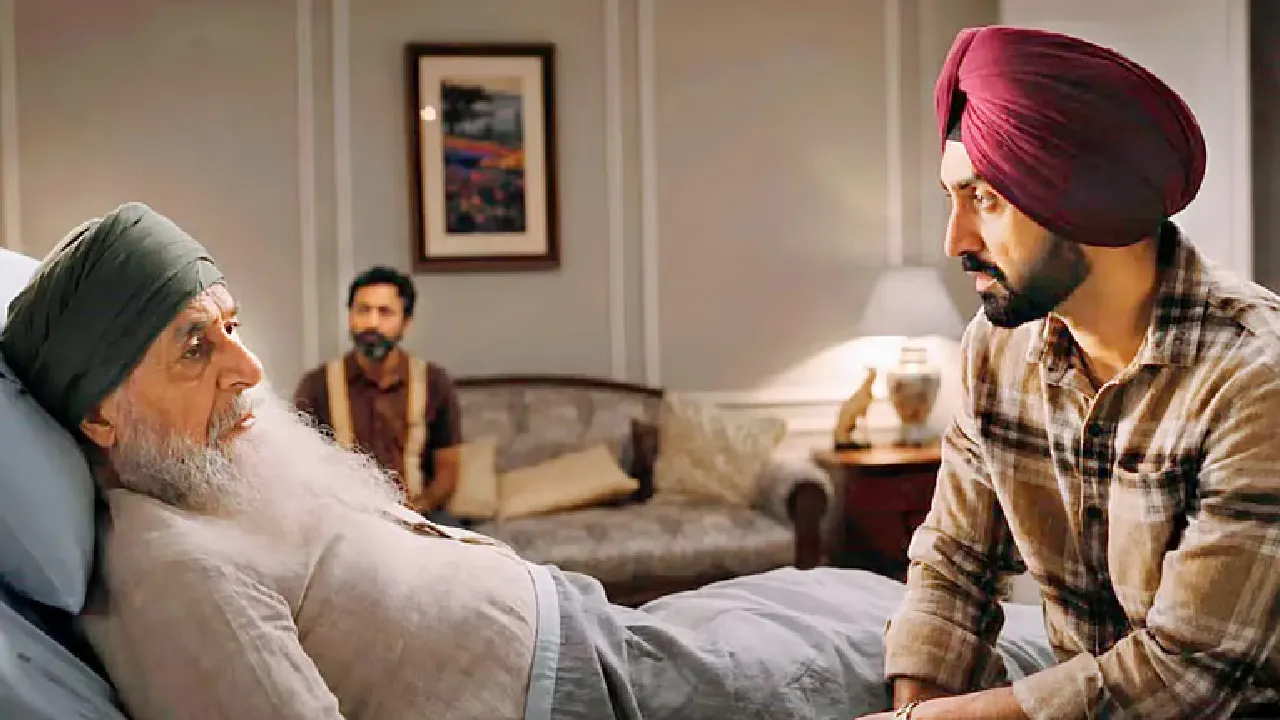
At a time when historical dramas often lean into conflict and sides and blame, Main Vaapas Aaunga takes a very different road.
It's not trying to tell you who was right or wrong. It's trying to show you what it actually cost, in human terms, in broken lives and fractured families, when hatred was allowed to define an era. Its message isn't political. It's personal. And that's precisely why it's landing so hard.
Younger viewers in particular seem to be responding deeply to this. Many of them grew up hearing fragments of Partition stories from parents and grandparents, enough to know something terrible happened, but perhaps not enough to truly feel its weight. This film helps bridge that gap.
Commercially, Main Vaapas Aaunga hasn't been a runaway hit. But if you look at what it's actually doing, the conversations it's starting, the memories it's surfacing, the emotions it's unlocking on both sides of a border, the picture looks very different.
People are talking about Partition, about generational trauma, about what it means to belong somewhere you can no longer reach. That's not a small thing. In fact, for a film, it might be the biggest thing of all.
Whether or not it ever becomes a box office success, Main Vaapas Aaunga has already done something that very few films manage: it's reminded people, across nations and generations, that they share more than they're usually told.
In a time when loud, divisive narratives dominate nearly every screen, Imtiaz Ali's film offers something quieter and, honestly, much harder to achieve, the simple, radical idea that empathy might be the only honest way to face a painful past.