/
/
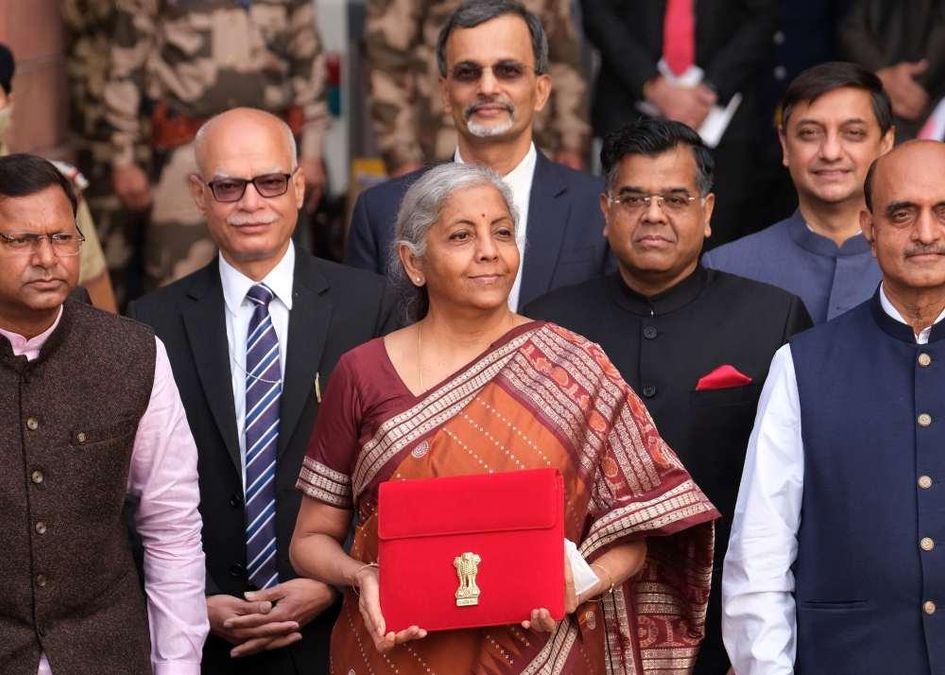
Finance Minister Nirmala Sitharaman announced that the RBI will regulate its authorized digital rupee. Read all the information here.
On Tuesday, Finance Minister Nirmala Sitharaman has announced that the RBI will regulate its authorized digital rupee in the financial year 2022. The currency is named Central Bank Digital Currency (CBDC) that will be launched in 2022-2023.
While delivering Union Budget 2022-2023 in Parliament, she introduced Digital Rupee and elaborated on how it will boost the economy.
Let’s have a look at Digital Rupee and how it will work in India.
Digital Rupee is a legal tender issued by the Reserve Bank of India in a digital form. It is the same as the paper currency that will appear as a liability on a central bank’s balance sheet. It means CBDC is not a cryptocurrency but it can be used for one to one transactions.
The form and use of this electronic currency can be converted for particular requirements. The central bank records all the transactions of CBDC.
Digital Rupee will work with blockchain technology. It's a Digital Ledger Technology (DLT) that provide access to the public ledger featuring all the transactions in a system of networks.
Blockchain will constitute the bank’s financial transactions of Digital Rupee throughout history. Through these blocks, banks keep all the records of transactions. Each block will be highly encrypted because of being connected with electronic means.
In a short time period, the central bank will issue sets of guidelines for the buyers as to how to and when to purchase it. The assumption says that the process of buying will be similar to Bitcoin and other cryptocurrencies.

According to the Central bank, India needs to use a more acceptable electronic form of currency. Digital Rupee is easy to keep records and never torn, burnt or physically damaged. Countries like Sweden, Japan, Denmark, Germany and the US have already taken this initiative.
Central bank seeks to increase the use of private virtual currencies to meet the public’s need.