Marwadi Viral Video Full Link Is Fake: Phishing Scam Targets Users With “Full Video” Claims
Links circulating online that claim to provide the full version of an alleged explicit “Marwadi viral video” should be treated with extreme caution. The links reportedly form part of a familiar phishing and malware distribution pattern in which sensational viral-video claims are used to lure users onto suspicious websites.


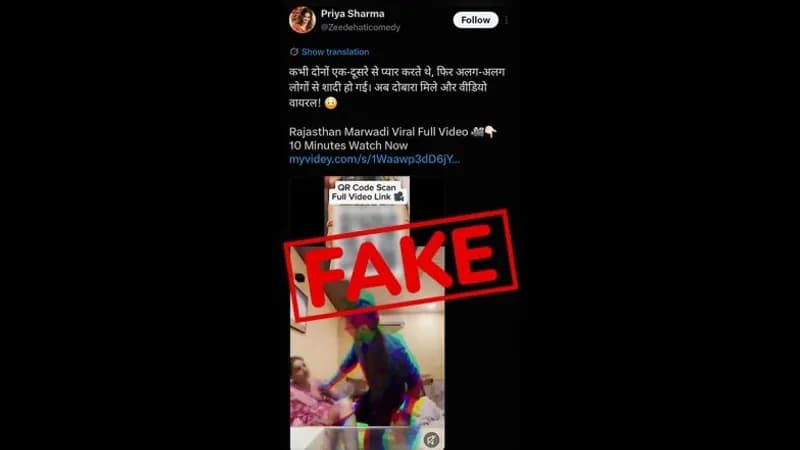
Links circulating online that claim to provide the full version of an alleged explicit “Marwadi viral video” should be treated with extreme caution. The links reportedly form part of a familiar phishing and malware distribution pattern in which sensational viral-video claims are used to lure users onto suspicious websites.
Short clips and screenshots allegedly connected to the claim have been shared across social media platforms and messaging apps. Users searching for a longer or complete version are then directed toward links promising access to the purported footage.
Rather than providing verified video content, these links can redirect visitors to websites designed to collect sensitive information, steal account credentials or potentially distribute malicious files.
Is the Marwadi viral video full link real?
There is no independently verified full video established as authentic based on the information available.
The links being circulated with promises such as “full video,” “uncensored video,” “original MMS” or similar phrases should not be considered evidence that a genuine recording exists.
Instead, the links fit a well-known phishing pattern in which a sensational claim is used as bait to encourage users to click on an unknown URL.
How does the Marwadi viral video scam work?
मुझे ये समझ नहीं आया जब तुम दोनों लोग बिछड़ गए थे और समय आने पर दोनों लोग मिले तो vedio बनाने की क्या जरूरत थी। आदमी इतना मदर***** हो गया है आज कल कि अगर वीडियो न बनाते आराम से मिल लेते निकल जाते चुपचाप । लेकिन आदमी की गेंद का कीड़ा मारता नहीं है और उसने खुजली की और दोनों viral… pic.twitter.com/Jsgsn2Ixlb
— शुभम 🖤 (@awasthijiii) September 16, 2026
The scam typically begins with a short clip, screenshot or social media post designed to generate curiosity.
Fraudsters may attach messages promising access to the supposed complete recording. When a user clicks the accompanying link, they can be redirected through one or more websites before arriving at a page that appears to offer a video or download.
The destination may imitate a familiar video service, social-media login screen or file-sharing platform. Users can then be prompted to enter their username and password, provide personal information, install an application or download a file.
These actions can expose users to credential theft, malware or additional online fraud.
What happens after clicking a fake viral video link?
The exact outcome can vary depending on the website and the campaign.
A suspicious page may ask users to:
Log in using social media or email credentials.
Enter personal details into a form.
Download an application or file.
Complete a survey before supposedly accessing the video.
Follow additional links or redirects.
Providing information or downloading unknown files can create security risks even when the promised video never appears.
Why are viral videos used as phishing bait?
Scammers frequently exploit curiosity and urgency. Claims about sensational or exclusive content can encourage people to click before checking whether the source is legitimate.
Private-video claims are particularly effective as clickbait because users may search repeatedly for supposed “full” versions after seeing a short clip.
Cybersecurity warnings about similar campaigns show how viral topics can be repurposed to direct users toward credential-harvesting pages, malicious downloads and other fraudulent websites.
Are the short clips being shared online genuine?
The authenticity of the short clips associated with the “Marwadi viral video” claim has not been independently established based on the information available.
A short video circulating on social media does not by itself prove the identity of the person shown, the circumstances in which it was recorded or the authenticity of the wider claim.
Users should therefore avoid treating the clip as verified footage or using it as justification for clicking links offering an alleged complete version.
What should you do if you receive a “full video” link?
The safest approach is not to open an unsolicited link promising access to sensational or private footage.
If you have already clicked one, close the website without entering credentials or downloading anything. If you entered a password, consider changing it from a trusted device and enable two-factor authentication where available.
If a file or application was downloaded, do not open or install it. A security scan using updated security software can help identify potential threats.
Suspicious websites and cyber-fraud attempts can also be reported through India's official cybercrime reporting mechanisms.
How to identify a fake viral video link
A number of warning signs can indicate that a supposedly exclusive video link is unsafe.
Be particularly cautious when a post:
Promises an “uncensored” or “100% original” video.
Uses an unfamiliar or suspicious-looking domain.
Redirects through several websites.
Demands a social-media password before showing content.
Requires an unknown app or file download.
Creates urgency by claiming the link will expire.
Comes from an account or message sender you do not recognise.
A legitimate news report does not require users to surrender account credentials or install unknown software to verify a news claim.
What to do if you entered your details on a suspicious website
If you submitted a password or other sensitive information, take action promptly.
Change the affected password through the legitimate service's official website or application. If the same password was used elsewhere, change it there as well. Enable two-factor authentication and review recent account activity for unfamiliar logins.
If financial information was disclosed or you suspect financial fraud, contact the relevant bank or payment provider immediately.
For suspected cybercrime in India, users can report incidents through the government's official cybercrime reporting system.
Marwadi viral video scam: What is the fact-check verdict?
The alleged “full video” links circulating online should not be treated as genuine video sources. The available information indicates that they follow a phishing-scam pattern in which viral-video claims are used to attract clicks.
There is also no independently verified full video matching the circulating short clips established as authentic in the information available for this report.
Users should avoid clicking, downloading files or entering personal information on websites promoted through these posts. The safest way to verify a viral claim is to rely on credible news organisations, established fact-checkers and official statements rather than forwarded links.
Disclaimer: This article is based on publicly available cybersecurity guidance, reported scam patterns and the information provided for this report. StackUmbrella does not verify or endorse allegedly private or explicit content and does not provide links to such material. Readers should avoid clicking suspicious links, downloading unknown files or sharing unverified claims.