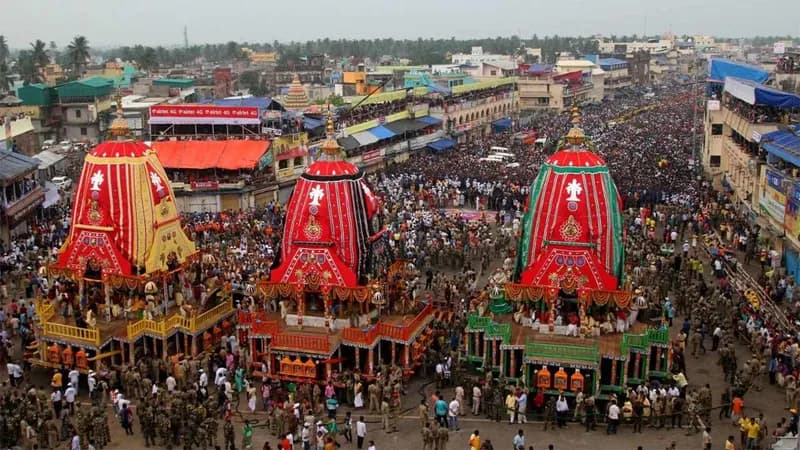
/
/
Planning Amarnath Yatra 2026? Learn about the Ice Lingam, Pahalgam vs Baltal routes, health tips, packing, and security in one complete guide.
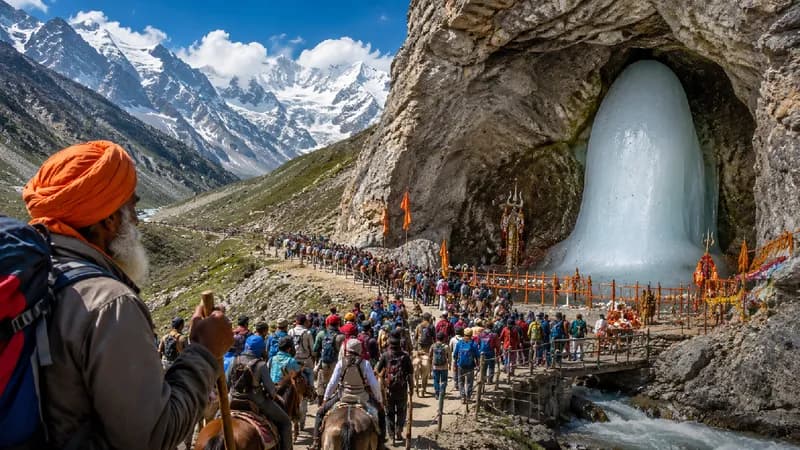
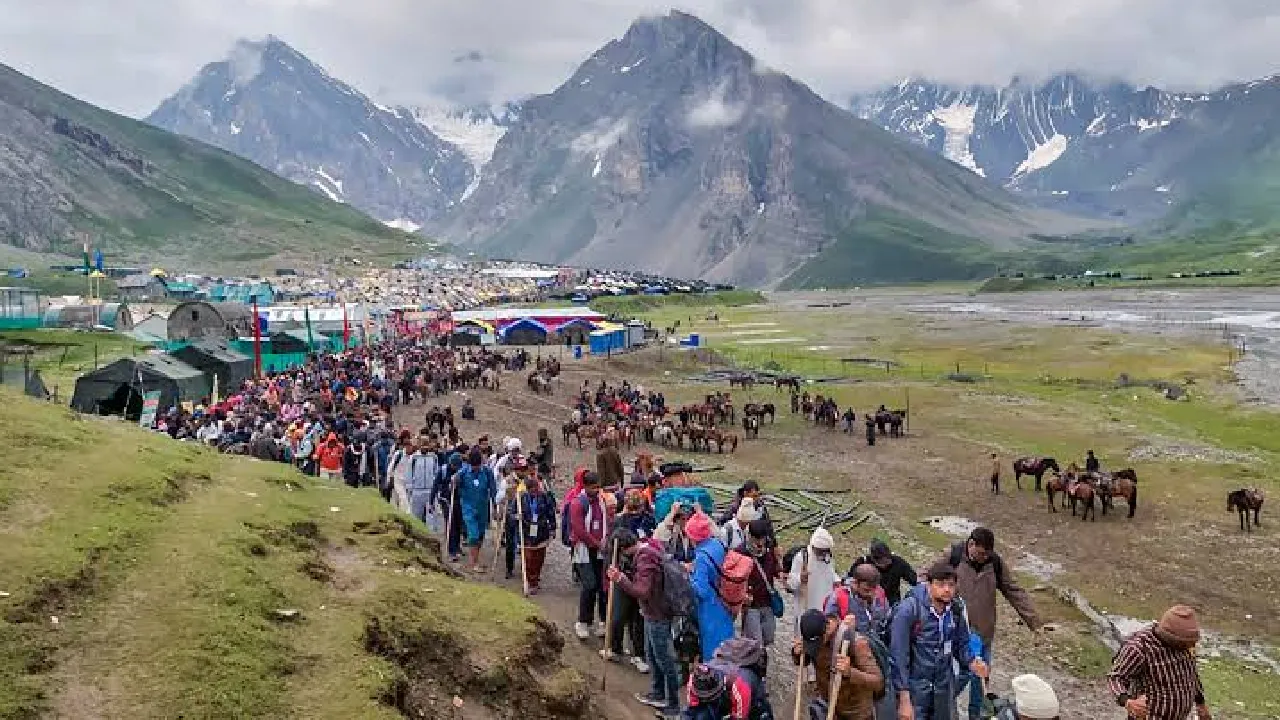
There are pilgrimages. And then there is Amarnath Yatra 2026, a journey that strips you down to your bare self, tests every muscle in your body, and yet fills your soul with something no words can fully describe. Every year, lakhs of devotees climb through glacier-fed trails, freezing winds, and thin mountain air to stand before a naturally formed ice Shivling inside a cave at 3,888 meters above sea level. This is not just religion. This is devotion pushed to its absolute limit.
But here is the truth most first-time pilgrims don't know, the Amarnath Yatra is equally beautiful and unforgiving. The mountain doesn't care how strong your faith is if your body isn't prepared. That's exactly why this guide exists. Whether you're going for the first time or planning your fifth, read every section here before you take that first step on the trail.
Let's start with the basics, because this pilgrimage deserves its context.
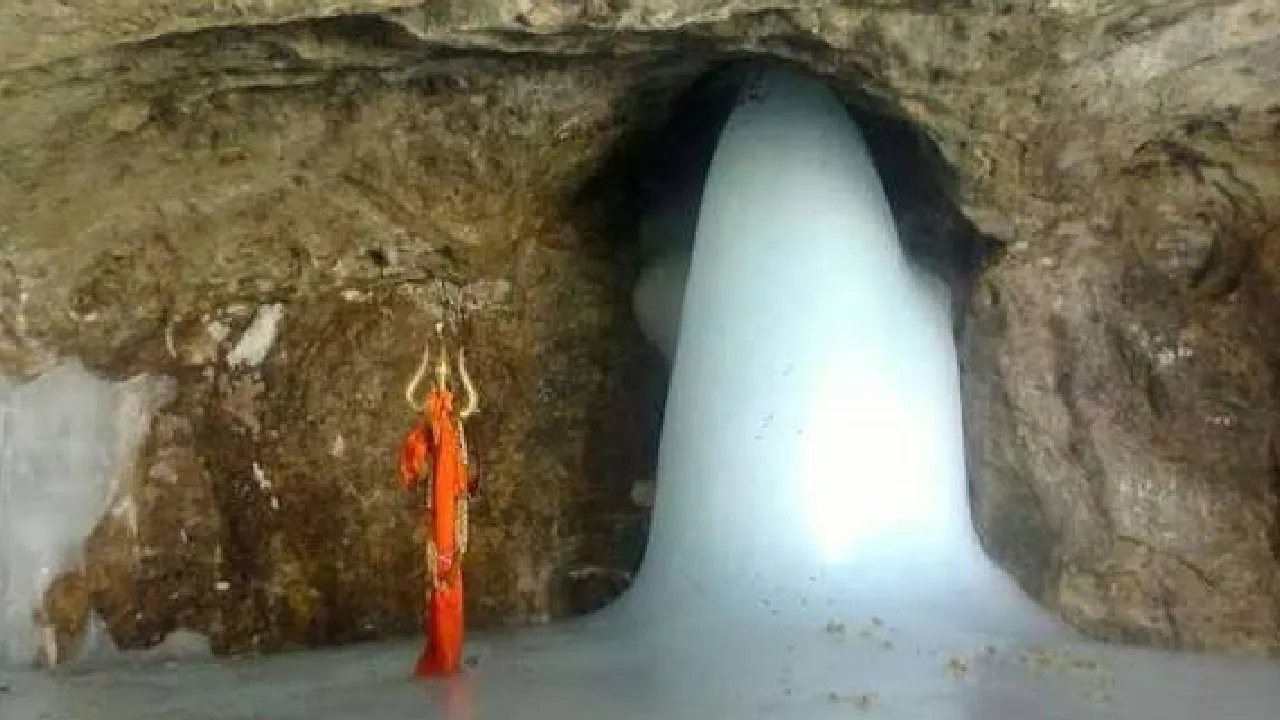
The Amarnath Cave is located in the Himalayan ranges of Jammu & Kashmir, at an altitude of approximately 3,888 meters (12,756 feet) above sea level. The cave itself is about 40 meters high and 30 meters wide, massive by any measure. And sitting inside it, naturally formed by freezing water droplets dripping from the cave ceiling, is the sacred Amarnath Ice Lingam, one of Hinduism's most revered shrines.
Every year between July and August, the Shri Amarnathji Shrine Board (SASB) opens the pilgrimage for a limited window. In recent years, anywhere between 3 to 5 lakh pilgrims complete the trek annually, making it one of the largest religious gatherings in the world under such extreme conditions.
What makes it special isn't just the destination, it's the shared human experience of the journey itself. You'll walk alongside elderly grandparents, college students, army veterans, and first-generation pilgrims all moving toward the same point with the same feeling in their chests. That kind of unity is rare.
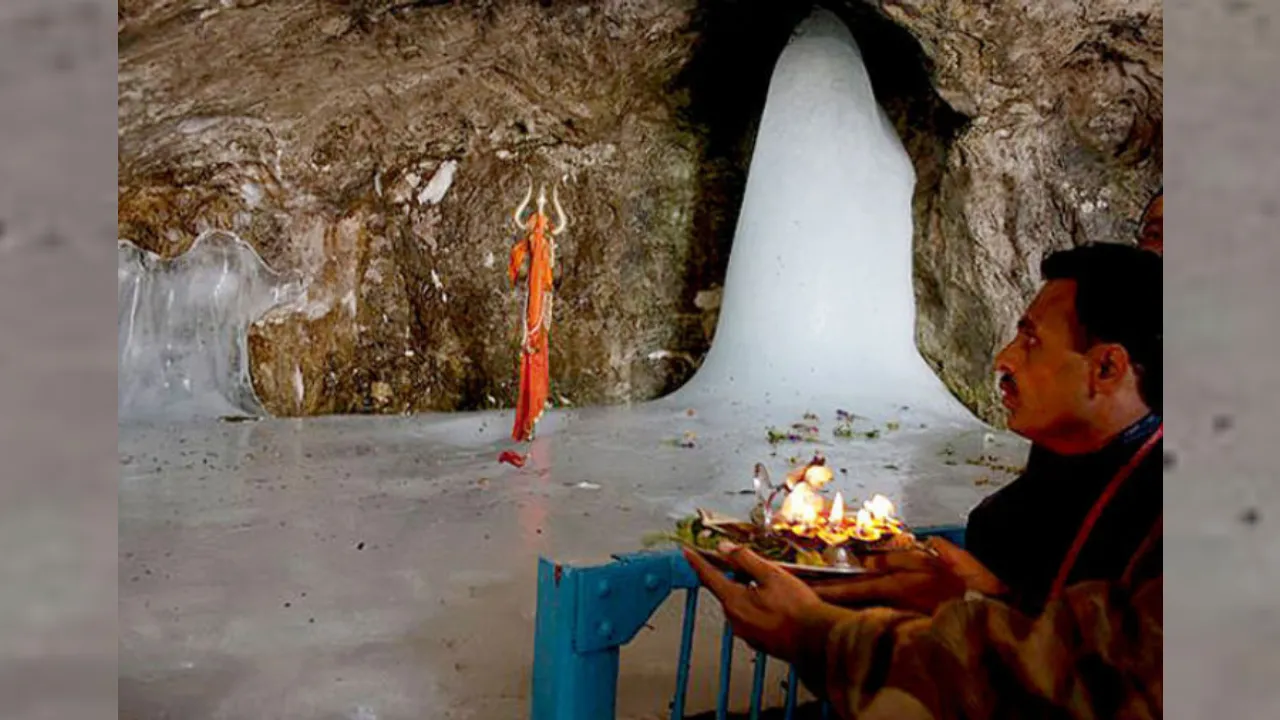
According to Hindu tradition, Lord Shiva chose the Amarnath Cave as the specific place where he would narrate the Amar Katha, the story of immortality, to Goddess Parvati. Shiva wanted complete secrecy for this divine conversation, so he left behind everything associated with the mortal world before entering the cave.
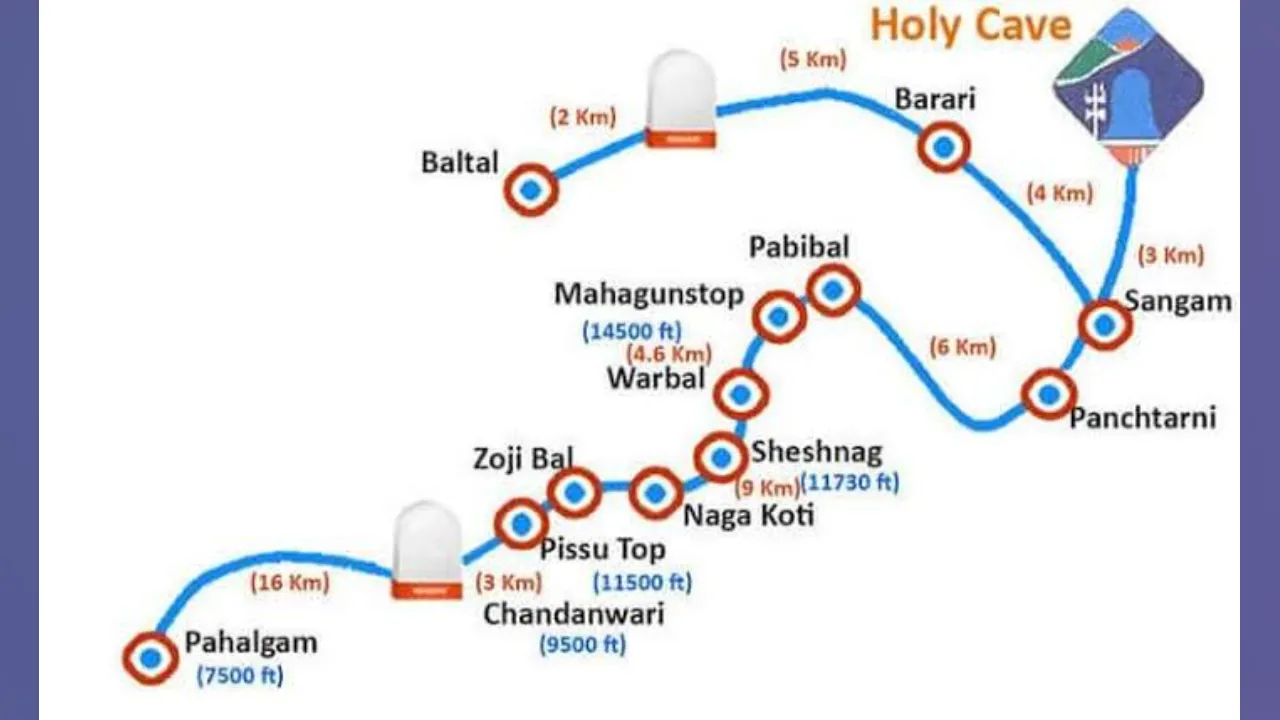
He left his vehicle Nandi (the bull) at Pahalgam, his moon at Chandanwari, his serpents at Sheshnag Lake, and his son Ganesha at Mahagunas Parvat. By the time Shiva and Parvati reached the cave, they were entirely removed from the world outside.
Inside the cave, a pair of pigeons is said to have overheard the Amar Katha and attained immortality. Even today, pilgrims who spot pigeons near the cave consider it an especially auspicious sign. The legend ties together every stop on the Pahalgam route, making it far more than just a trek, it becomes a retelling of that ancient divine journey.
Here's where science and spirituality sit side by side, and honestly, neither cancels out the other.
The Amarnath Ice Lingam forms because of water seeping through cracks in the limestone cave ceiling. As temperatures drop sharply in winter and early spring, this water freezes in successive layers, forming a stalagmite that resembles a Shivling. By the time the cave opens for pilgrims in summer, the lingam can stand anywhere between a few inches to several feet tall, depending on the snowfall and temperature conditions of that particular year.
The reason it changes in size every year is purely natural. Snowfall levels, underground water supply, and cave temperature all play a role. Some years pilgrims find a towering lingam; other years it's smaller. This unpredictability is part of what makes every darshan feel like its own unique experience.
Common myth: Many believe the lingam grows and shrinks with the moon cycle. Partially true, the peak size typically corresponds with Shravan Purnima (the full moon of July-August), but it's driven by ambient temperature and moisture, not lunar gravity directly.
This is the question every first-timer asks. And the honest answer is, it depends on your fitness level, time, and what kind of experience you're looking for.
The traditional route. This is the path Shiva himself is said to have taken in mythology, and it shows, every major halt on this route corresponds to a mythological significance.
The Pahalgam route is longer but more gradual in its ascent, which means your body gets time to acclimatize. The scenery is breathtaking, and the overnight camps at Sheshnag and Panchtarni are experiences in themselves. If this is your first time, this is the route.
Short. Sharp. Steep. This route is not for everyone.
The Baltal route is popular with people who have limited time and strong fitness. You can potentially complete the darshan and return to base the same day. But the speed of ascent is also its biggest risk, your body doesn't get time to acclimatize, and altitude sickness hits harder here.
Pahalgam. Without a doubt.
The gradual ascent, the multiple halts, the mythological stops, and the sheer natural beauty of the Pahalgam route makes it the recommended path for anyone new to high-altitude trekking. Yes, it's longer. But that extra time is what keeps you safe and makes the journey memorable, not just survivable.
The Shrine Board requires every pilgrim to carry a Compulsory Health Certificate (CHC) issued by an authorized doctor. This certificate confirms you are medically fit for high-altitude trekking.
Do not skip this step. The altitude at Amarnath is serious, and no amount of devotion can override a medical emergency.
Start preparing at least 6–8 weeks before the Yatra:
Other Essentials
The mountain will test you. Here's what to watch for:
Who Can Register:
Required Documents:
Registration Options:
RFID Card System: Every registered pilgrim receives an RFID wristband. This is mandatory and must be worn throughout the yatra. It allows real-time tracking by security forces and ensures every pilgrim can be accounted for at all times.
Daily Limits: The Shrine Board caps the number of pilgrims permitted each day from each route to manage crowd safety. Slots fill up fast, register early.
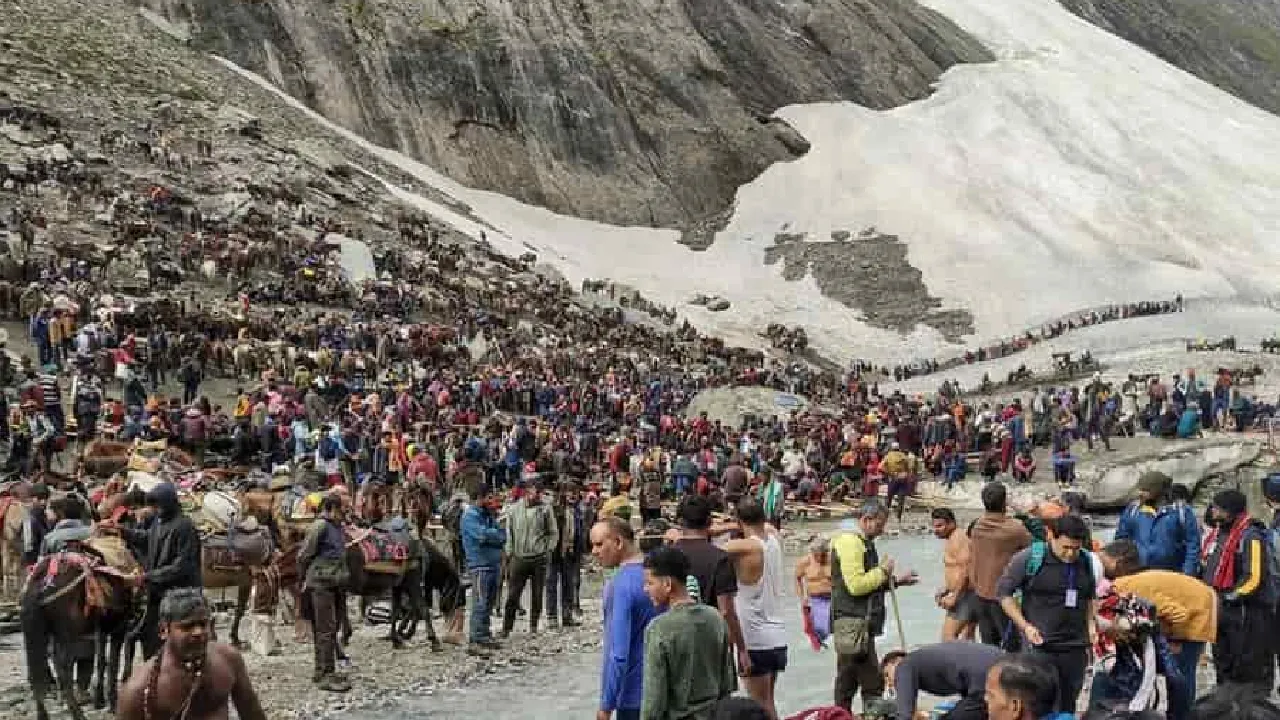
The pilgrimage season typically runs from late June to August, coinciding with the Shravan month of the Hindu calendar.
Weather in the Himalayas can change within minutes. A clear morning can become a snowstorm by afternoon. Always check official weather bulletins before starting each day's trek. If an official advisory tells you to stay at camp, listen to it.
This might surprise you, the Amarnath Yatra is one of the most technologically managed pilgrimages in India. Here's what's running behind the scenes:
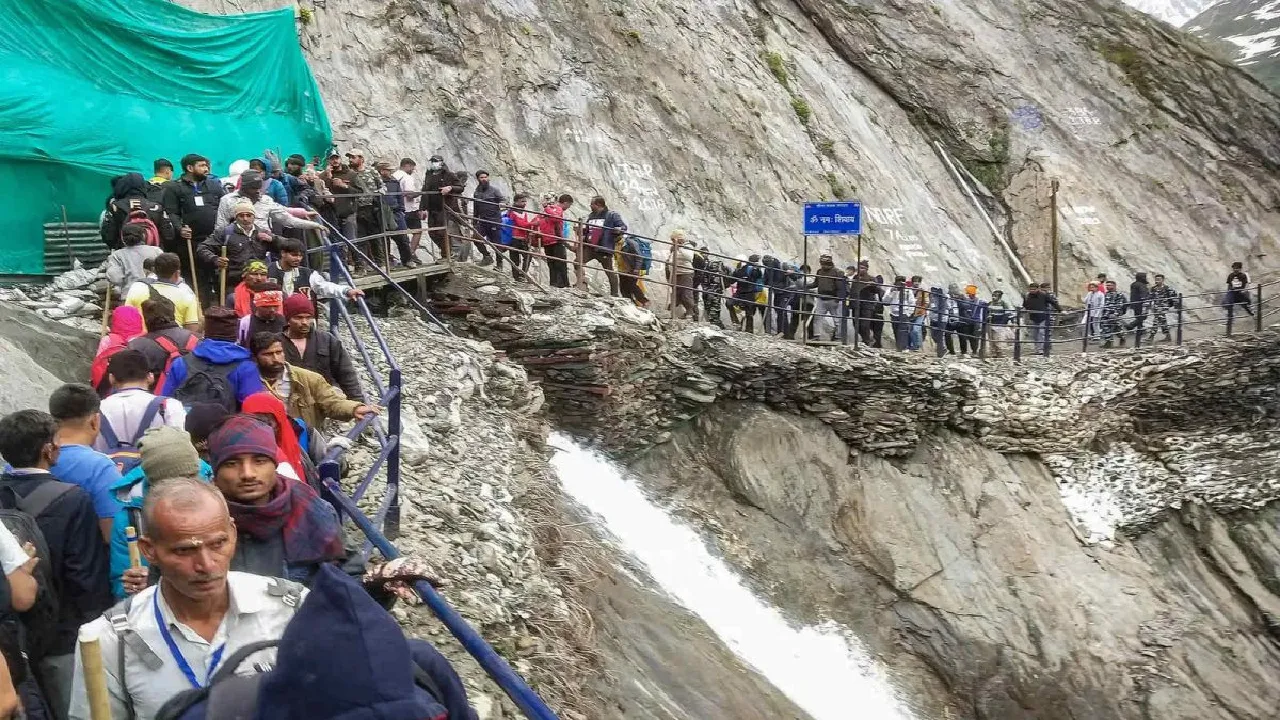
Let's be direct, the Amarnath Yatra happens in one of the most sensitive geopolitical zones in India. The security arrangements are enormous, and they work.
Every year, the operation involves:
The security apparatus is not just visible, it's comforting. Pilgrims regularly report feeling safe and supported throughout the journey, which is a remarkable achievement given the terrain and scale of the operation.
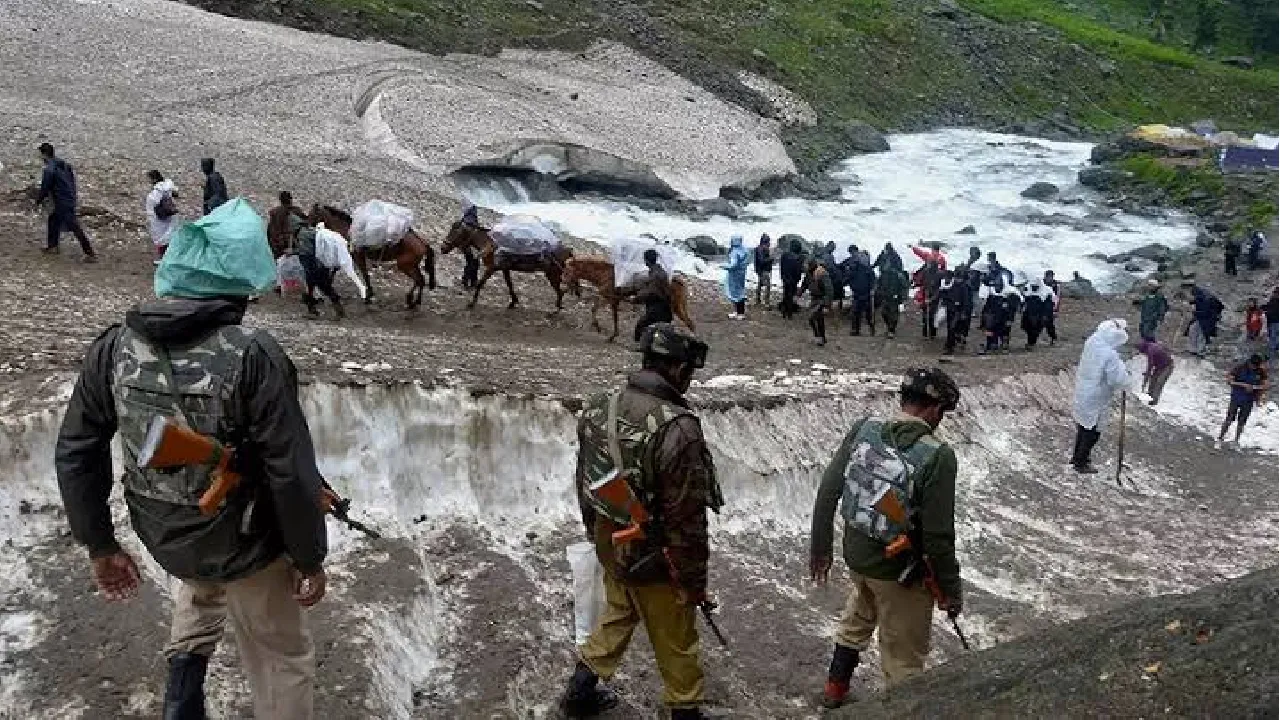
The Shrine Board and various NGOs ensure that pilgrims are not left without support at any point on the journey.
Do's:
Don'ts:
Amarnath Yatra 2026 is not a holiday. It's not even just a pilgrimage in the conventional sense. It's a test, of faith, of physical endurance, and of your respect for the mountains that hold this journey in their arms.
The Ice Lingam doesn't care how many prayers you've recited or how many kilometers you've planned. It rewards those who prepare honestly, trek carefully, and approach the journey with both devotion and practical wisdom. Choose the right route for your fitness level. Get your health certificate done without shortcuts. Pack smart. And when you finally stand in that cave and see the Shivling rising from the frozen ground, no article, no guide, no photograph could have prepared you for that moment anyway.
That's the magic of Amarnath Yatra 2026. Go prepared. Come back safely. And carry that feeling with you for the rest of your life.
It's challenging but manageable with proper preparation. The Pahalgam route is recommended for first-timers due to its gradual ascent and multiple rest points. Start fitness training at least 6–8 weeks in advance.
Pahalgam is easier for most pilgrims. It's longer in distance but far less steep, giving your body time to acclimatize to the altitude. Baltal is shorter but significantly steeper and recommended only for those with prior trekking experience.
The lingam is made of natural ice formed by water seeping through the cave ceiling. As summer progresses and temperatures rise, it naturally melts. By the end of the pilgrimage season in August, the lingam significantly reduces in size, which is entirely natural.
Mid-July to early August is generally considered the best window. The Ice Lingam is at or near its peak size, and weather conditions, while unpredictable, are relatively manageable compared to the very end of the season.
Yes. Helicopter services operate from Pahalgam (to Panchtarni) and from Baltal base camp. These must be booked well in advance through Shrine Board-authorized operators. Demand is very high and slots fill up quickly.
Yes, up to the age of 70 years, provided they hold a valid health certificate. Senior citizens are strongly advised to take the Pahalgam route, use pony or palki services for difficult sections, and ensure they have travel companions throughout the journey.