/
/
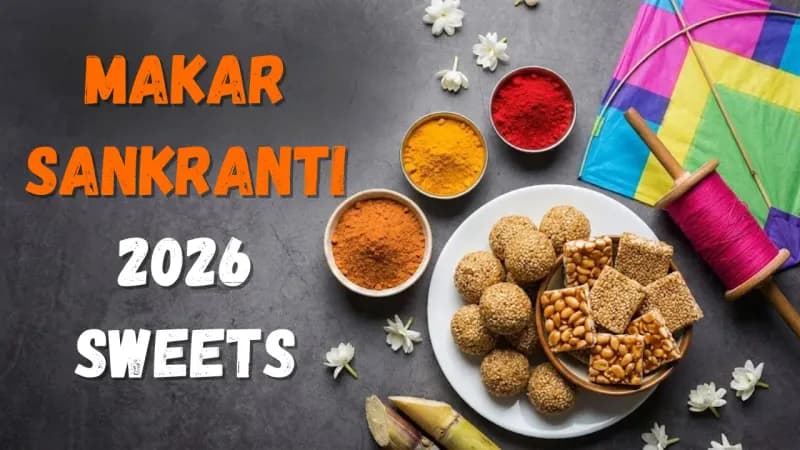
Tilgud is a traditional Makar Sankranti sweet made of sesame and jaggery. Learn its cultural significance, health benefits, and why it matters today.
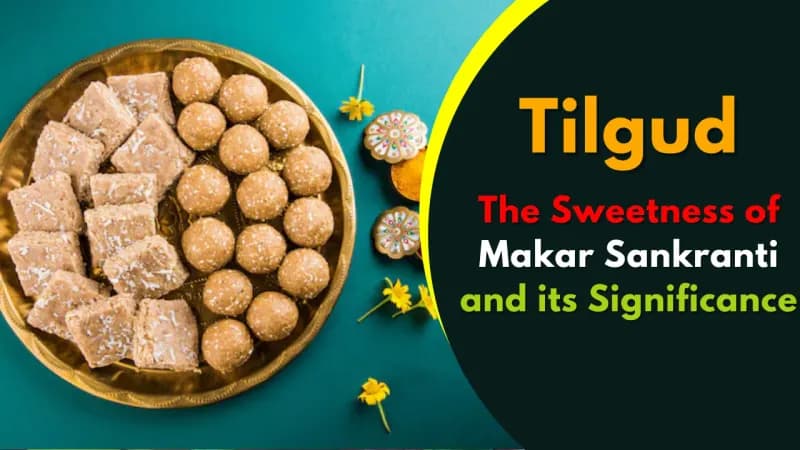
When winter reaches its peak and kites flood the skies, Tilgud happens to take a huge place in Indian homes. It has become a popular dish in Maharashtra, and this simple Tilgud made with sesame and jaggery is more than just an advent or winter festival mithai; in fact, it holds meaning as well as health advantages and nuts. It was given with the expression “Tilgud ghya, God God bola” with meaning and essence.
Today’s dish is sesame seeds and jaggery candy or sweet. Let’s learn why this occupies a special position in our lives and how it is made. We'll also learn how to make sesame seeds and jaggery candy or sweet at home.
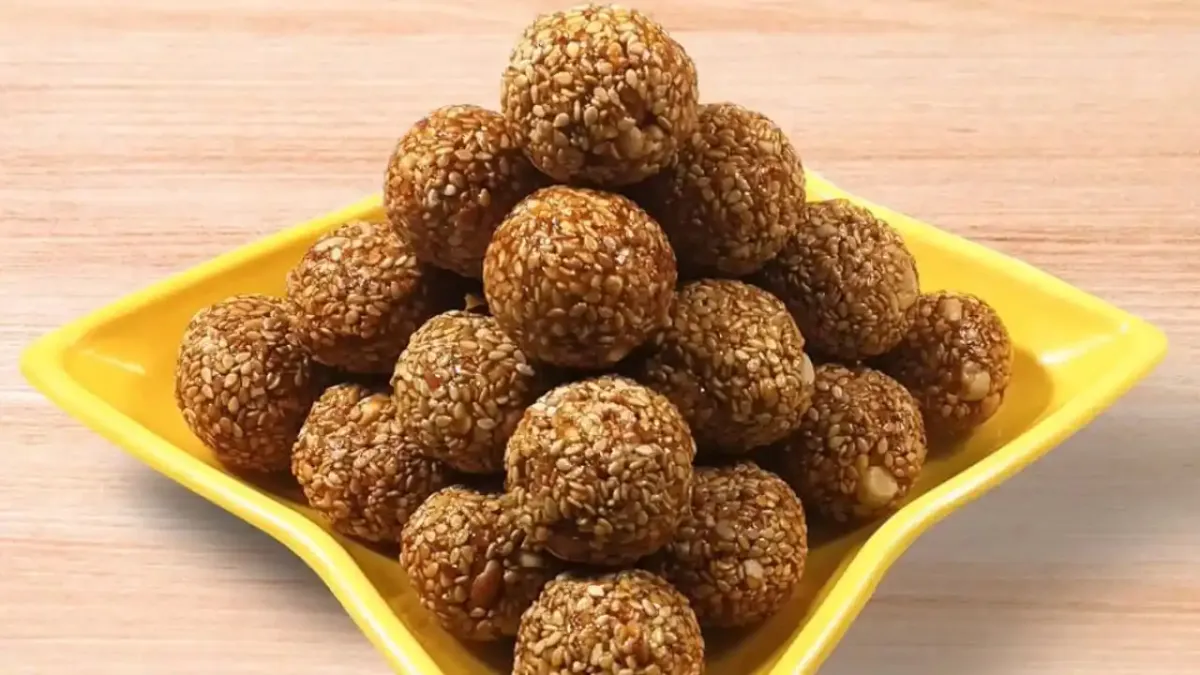
Tilgud is a traditional Indian dessert consisting of til and gud as main ingredients. It’s generally made and distributed during the celebration of Makar Sankranti, which marks the entry of the sun into the sign of Capricorn.
The combination may seem simple, but the meaning and importance are profound.
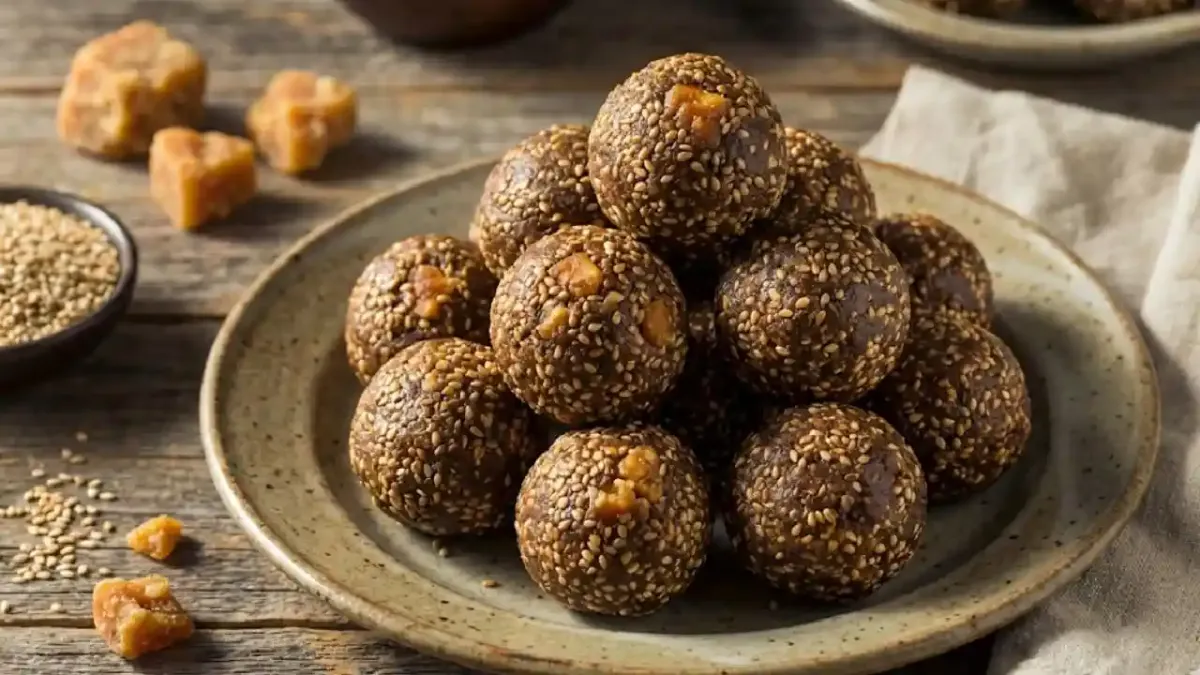
“Tilgud (sesame seeds and jaggery candy or sweet)” This one’s not only very appetizing but also very healthy. It’s full of calcium and iron, very effective for the bones and the blood. In fact, during the winters, tilgud also works wonders for people as it activates digestion, keeps the body warm, and also strengthens the immunity system of the human body.
sesame seeds and jaggery candy or sweet also offers the person instant energizing benefits because of the fact that it’s very effective for the joints of the human body. As per nutrition experts, the sesame seeds present in the sesame seeds and jaggery candy or sweet are one of the healthiest plant sources of healthy fats, as well as minerals, when compared to anything else available in nature. Additionally, the jaggery present in the til
The basic ingredients required to make traditional sesame seeds and jaggery candy or sweet at home are 1 cup of white sesame seeds, ¾ cup of grated or crushed jaggery, and 1–2 teaspoons of ghee. To add flavor and aroma, one may also include ½ teaspoon of cardamom powder optionally. In addition, 2 tablespoons each of grated dry coconut and coarsely crushed peanuts can be added according to preference. These ingredients are all rather easily available and inexpensive.
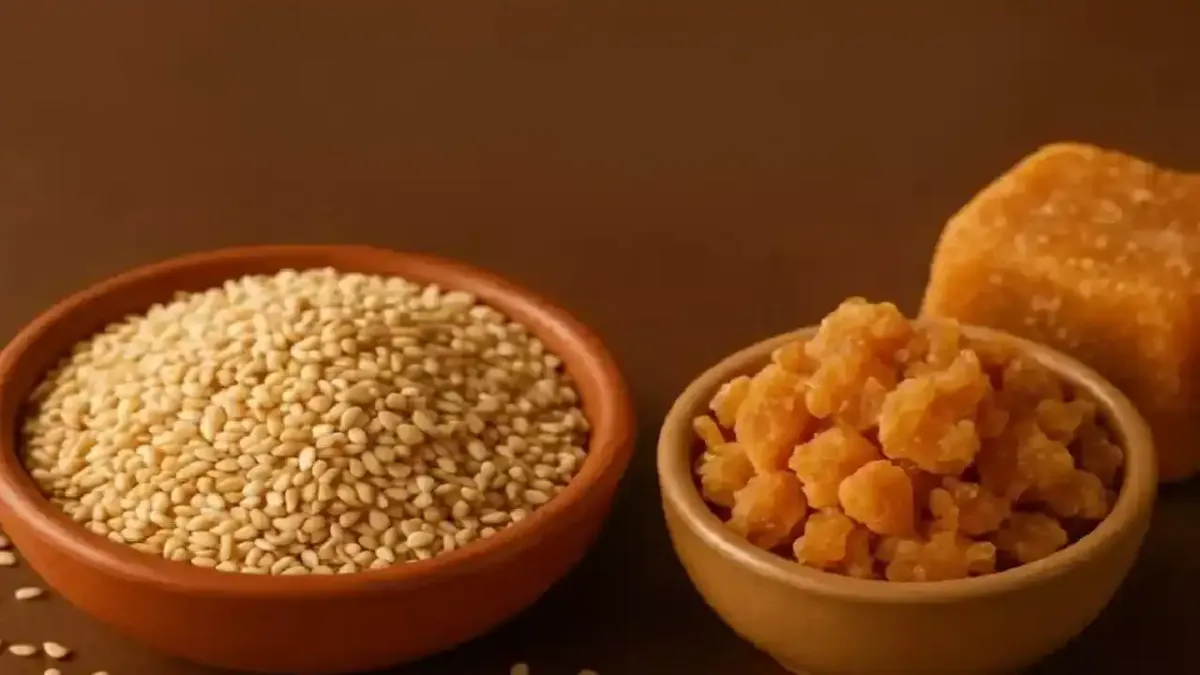
First, dry roast the sesame seeds over low heat. Stir continuously to avoid burning the sesame seeds. When the sesame seeds turn light golden brown and become fragrant, switch off the heat. Allow it to cool a bit, then grind coarsely.
Now, in a pan, heat the jaggery over low heat. Add 1-2 teaspoons of ghee to it. Stir continuously until the jaggery melts completely. While doing this, there is no need to add any water at all.
Immediately add the ground sesame seeds to the melted jaggery and mix well. Add cardamom powder, desiccated coconut, or peanuts, if used, and mix the mixture well.
Grease your hands with a little ghee and while the mixture is still warm make into small ladoos or flat patties. Then let cool and set. Here home-made Tilgud is prepared.
Tilgud varies slightly across regions let us see the different types of Tilgud according to the regions:
In every version, the same style but different texture.
sesame seeds and jaggery candy or sweet stands out in today's age of packaged sweets and overly sugary desserts. It's traditional yet timeless, simple yet profound, and healthy yet celebratory. Tilgud shows us that festivals are much more than show and display and that to celebrate together means to do so with balance and purpose. This recipe comes from Cook and Country.
Tilgud is more than a festival snack; it is a message embedded in warmth and sweetness. With the onset of Makar Sankranti celebrations, the message of sesame seeds and jaggery candy or sweet is a gentle nudge to speak kindly, to live simply, and to remain connected to our roots.
Therefore, this festival season, make Tilgud at home, serve it with lots of love, and continue this tradition with one yummy piece at a time.