Google Confirms Pixel 11 Price Hike Ahead of Launch, Blames Global RAM Crisis
Google has confirmed Pixel 11 prices will increase due to soaring RAM costs worldwide. Here's why the Pixel 11 series will cost more this year.


If you were holding out for the Google Pixel 11, there's something you should know before you get too attached to last year's price tags, this one's going to cost more. Google has officially acknowledged that a Google Pixel 11 price increase is coming, and the company is pointing fingers at a global RAM shortage that's quietly been making smartphones more expensive to build across the entire industry.
Google says it held the line on pricing for as long as it could, but the numbers just don't add up anymore. Official prices will drop at the Made by Google event on August 12, but if the leaks are anything to go by, you could be looking at roughly $100 more on several Pixel 11 models.
Google Pixel 11 Price Increase Confirmed Ahead of August Launch
Google's Vice President of Devices and Services, Shakil Barkat, didn't sugarcoat it. He described the situation as a "severe, supplier-driven Google RAM crisis", and the data backs that up.
Citing figures from Morgan Stanley, Barkat shared that the cost of 1GB of RAM has shot up from around $2.80 in 2025 to nearly $12 in 2026. That's not a gradual climb, that's a dramatic spike that's putting real pressure on everyone in the smartphone business.
Google's position is that they shielded customers from these supply-chain pressures for as long as they reasonably could. But at some point, the math stops working, and that point has arrived. The Pixel 11 price hike won't stop at phones either, the Pixel Watch lineup and some existing Pixel devices already on shelves could see adjustments too.
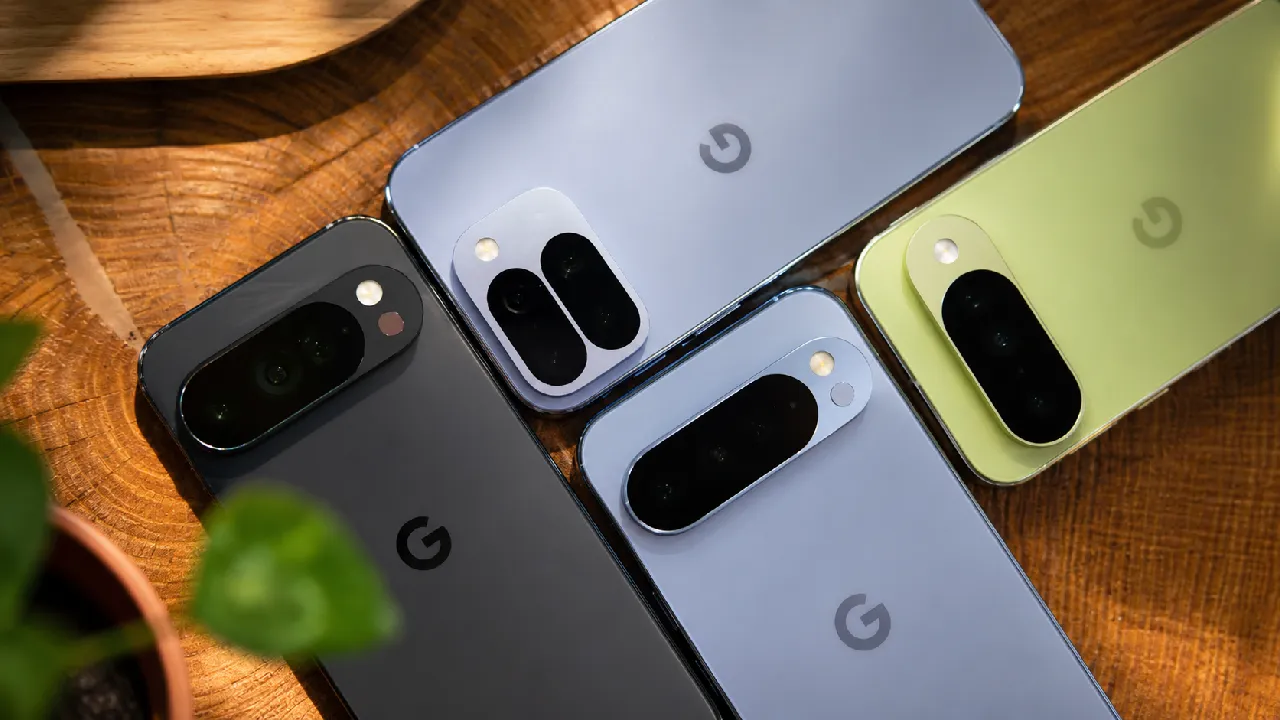
Why RAM Prices Are Driving Smartphone Costs Higher
The short answer: AI is hungry, and it's eating up the world's memory supply.
The explosion in artificial intelligence has created enormous demand for high-performance DRAM, the kind used in AI servers and data centers. Chip suppliers are naturally prioritizing their biggest enterprise clients, which means smartphone makers are stuck paying premium rates for whatever's left. Everyone is feeling this, not just Google. Several other brands have already bumped their prices in various markets. Google just held out longer than most before joining that list.
What Google Is Doing to Reduce the Impact
Google isn't just throwing its hands up. Instead of compensating for higher RAM costs simply by cramming in more memory, the company says it's rethinking how Android uses memory in the first place.
There's a dedicated effort underway to make Android and its apps leaner without sacrificing performance. Google's argument is that its combination of Android, Tensor chips, AI software, and on-device machine learning already lets Pixel phones punch above their weight when it comes to memory efficiency, and they're doubling down on that approach.
On the buying side, Google plans to keep the following in place to soften the blow:
- Trade-in discounts
- Promotional launch offers
- Google One subscription bundles
- Carrier deals in supported markets
So while the sticker price is going up, there will be ways to bring the real cost down.
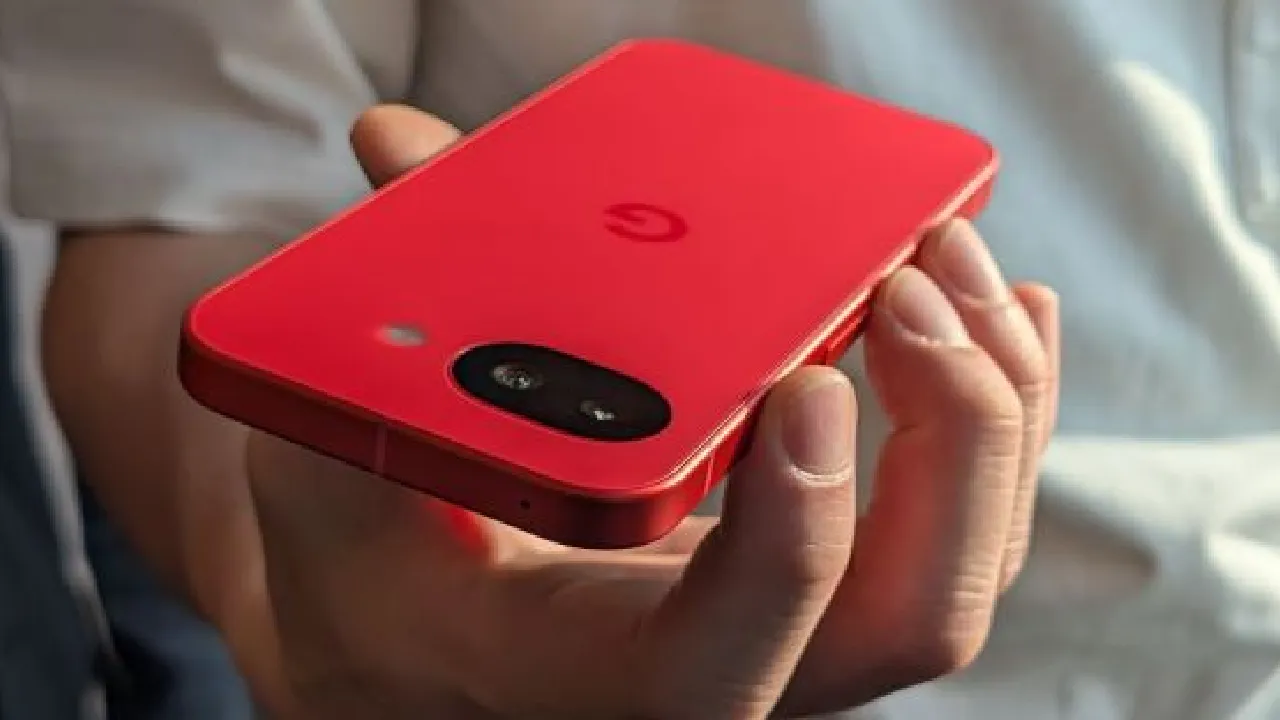
Pixel 11 Leaks Hint at Bigger Storage and Hardware Changes
Google hasn't officially confirmed specs yet, but leaks have been fairly consistent about what's coming. Here's what's being widely reported:
- 256GB as the new base storage on several models
- Tensor G6 chipset built on TSMC's advanced process
- Android 17 out of the box
- Larger batteries on select models
- A new Pixel Glow notification lighting feature
- Improved AI capabilities and software optimization
One interesting detail that's circulating: the Pixel 11 Pro might ship with 12GB of RAM rather than 16GB, with Google betting that its software optimization will make up the difference in everyday use. Whether that holds up in practice is something reviewers will be keen to test.
Official Pricing Will Be Revealed on August 12
Exact figures for thePixel 11, Pixel 11 Pro, Pixel 11 Pro XL, and Pixel 11 Pro Fold are still under wraps. Leaks suggest many models could land about $100 above their predecessors, though some of that sting may be eased by the move to 256GB base storage replacing the old 128GB standard, which is genuinely a meaningful upgrade for most users.
Everything official, pricing, full Pixel 11 specifications, and availability, will be revealed at the Made by Google 2026 event on August 12.

Should Buyers Be Worried?
Honestly, paying more is never fun. But Google's situation here isn't a case of a company quietly padding its margins, it reflects a real and well-documented shift in component costs that's touching every corner of the tech industry.
If the Pixel 11 launch delivers on its promise, better storage as standard, meaningful AI improvements, smarter memory management, and competitive trade-in deals, then a lot of buyers will likely still find the lineup worth considering. The real question is whether the final price tags feel fair once Google lays everything out on August 12. That's the moment that will tell us whether this Pixel 11 price hike is something buyers can live with, or a dealbreaker.