TCS Nashik Case Reaches Supreme Court: Plea Seeks Forced Religious Conversion to Be Declared Terrorist Act
TCS Nashik case reaches Supreme Court as plea seeks forced religious conversion to be declared terrorist act amid harassment and coercion allegations.


The TCS Nashik Case has now taken a major legal turn, with a fresh plea filed in the Supreme Court seeking that forced or deceitful religious conversion be declared a “terrorist act.” What started as a workplace misconduct investigation inside one of India’s biggest corporate names has now become a national debate involving law, religion, women’s safety, and corporate accountability.
And honestly, this is no longer just about one office in Nashik. It has become a test of how India handles serious allegations inside elite workplaces.
What Is the TCS Nashik Case?
The controversy began after multiple women employees at the Nashik unit of Tata Consultancy Services accused certain staff members of sexual harassment, mental harassment, coercion, and attempts at forced religious conversion.
So far, police have registered nine FIRs linked to the matter. Eight complaints reportedly came from women employees, while one complaint was filed by a male employee alleging religious harassment and pressure to perform Namaz.
According to investigators, the incidents allegedly took place between February 2022 and March 2026, suggesting this may have gone on for years before action was taken.
That part is deeply troubling. If even half of these claims are proven, it raises serious questions about internal complaint systems in corporate India.
Supreme Court Plea Seeks Stronger Action
Advocate Ashwini Kumar Upadhyay has filed a plea in the Supreme Court of India asking for stricter measures against deceitful religious conversion.
The petition says that forced religious conversion is not just a personal or religious issue, but also a threat to national unity, sovereignty, secularism, fraternity, and dignity. It also wants instructions on how to set up special courts for these kinds of cases.
This is a strong and controversial legal demand. It doesn't matter if the court agrees or not; the fact that such a plea has been filed shows how serious and politically charged the case has become.
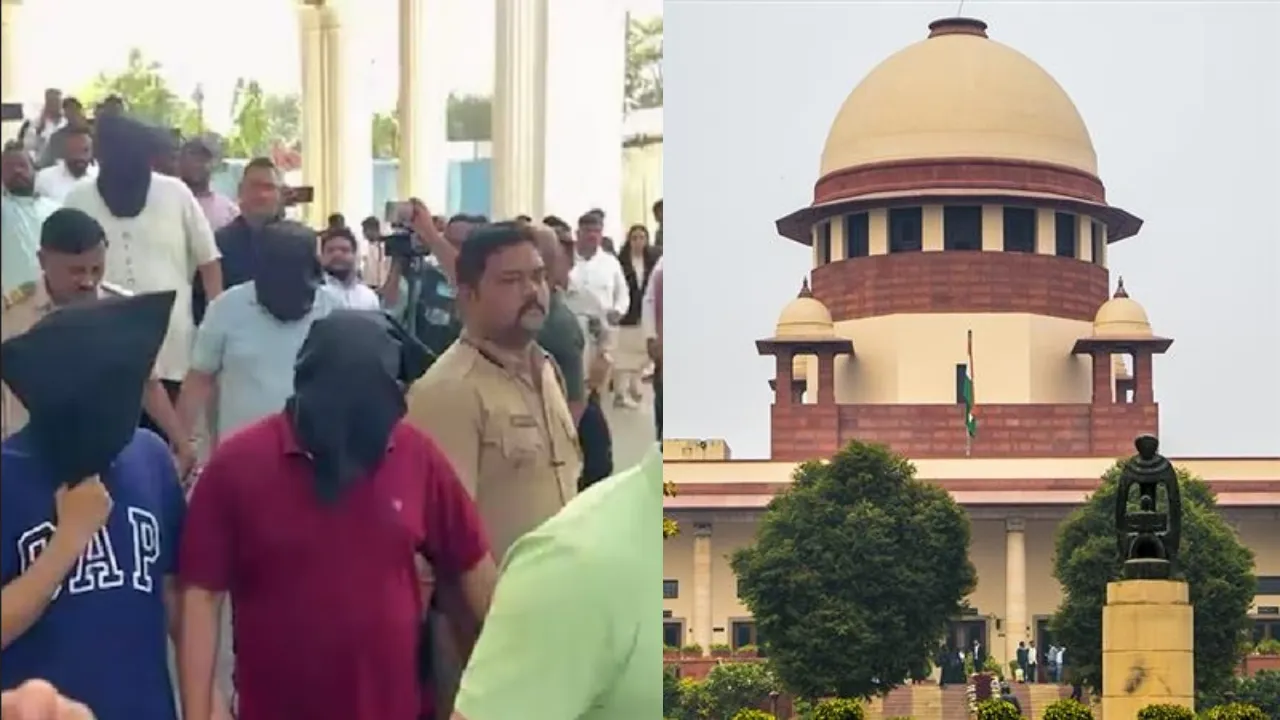
Arrests, Suspensions and SIT Probe
Police have already arrested several employees who are suspected of being involved in the case. Reports say that seven staff members, including men and one female manager, are in jail. Another accused woman has reportedly sought anticipatory bail.
In the latest twist, Nashik TCS'conversion' accused Nida Khan has claimed that she is pregnant and has approached a local court seeking relief through anticipatory bail. Authorities are expected to verify the medical claim as the SIT continues efforts to trace and question her. This development has added another dramatic layer to an already high-profile case.
The accused employees have been suspended by Tata Consultancy Services pending inquiry.
A Special Investigation Team (SIT) has also been formed to examine all complaints. Authorities are reportedly checking digital evidence, internal records, and wider links.
When cases become this large, facts matter more than noise. The SIT’s findings will be crucial.

What TCS Has Said
Tata Consultancy Services has said it follows a zero-tolerance policy toward harassment and coercion. The company stated that it acted quickly after becoming aware of the issue and is cooperating fully with law enforcement.
N. Chandrasekaran called the allegations “gravely concerning and anguishing” and said a detailed internal investigation is underway under senior leadership.
That response was necessary, but many people are still asking an uncomfortable question: if complaints existed earlier, why wasn’t the problem stopped sooner?
Why This Case Has Sparked National Outrage
The TCS Nashik controversy has exploded online because it touches several sensitive issues at once:
- Workplace sexual harassment
- Abuse of authority
- Religious freedom
- Women’s safety
- Corporate accountability
- Due process and fair investigation
Whenever such issues combine, public anger rises fast. And in this case, the involvement of a top corporate brand has made headlines even bigger.
The biggest lesson here is simple: no company, however respected, can afford weak grievance systems. Reputation means nothing if employees do not feel safe.
Due Process Still Matters
At the same time, it is important to remember that allegations are being investigated. Arrests have happened, but courts will decide guilt based on evidence.
That balance is essential. Victims deserve justice, but fairness in investigation also matters. Public debate should not replace legal process.
What Happens Next?
The next few days will be critical in the TCS Nashik Case. Here’s what to watch:
- Supreme Court response to the plea
- SIT investigation findings
- Bail hearings of accused persons
- Internal inquiry by TCS
- Possible wider legal or policy impact on workplace harassment cases
The TCS Nashik case is bigger than one company or one city now. It has exposed fears many employees quietly carry, fear of harassment, fear of being ignored, fear of speaking up. If the allegations are true, strict punishment must follow. If systems failed, they must be fixed. And if India wants safer workplaces, this case cannot be treated as just another viral headline. It must become a turning point.