

/
/
Claims surrounding an alleged “Rafael Pamittan viral video” have spread across social media and messaging platforms, generating searches and a wave of links purportedly offering access to an intimate clip.
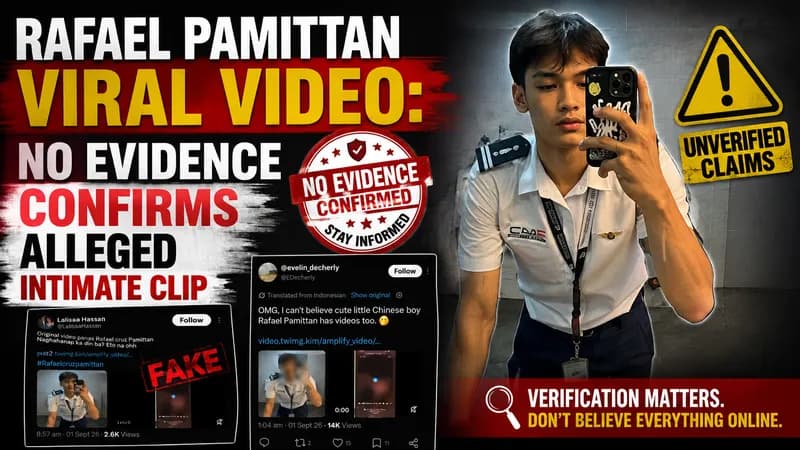
Claims surrounding an alleged “Rafael Pamittan viral video” have spread across social media and messaging platforms, generating searches and a wave of links purportedly offering access to an intimate clip.
However, there is currently no credible evidence confirming that such a video exists.
Checks of available news reports, official channels and publicly accessible social-media activity connected with Rafael Cruz Pamittan have not produced a reliable confirmation of the alleged footage. The claims therefore remain unverified.
More importantly, many posts promoting the supposed video appear to direct users toward suspicious external websites rather than a verified source.
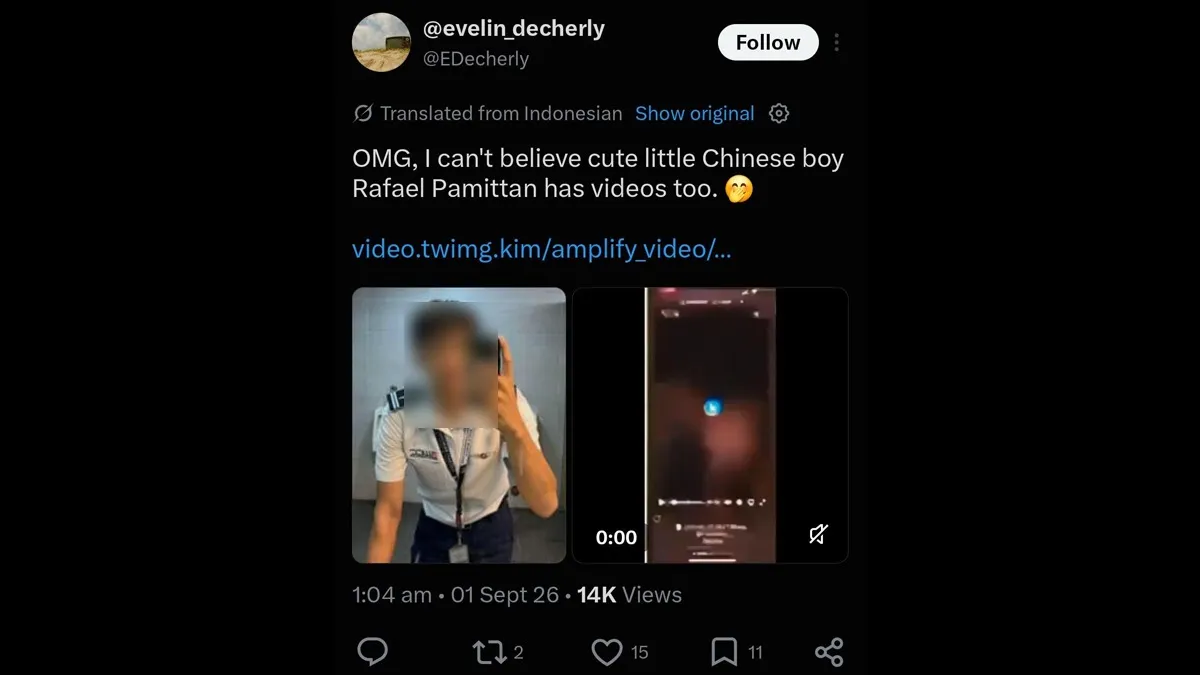
There is no reliable evidence establishing the alleged video as authentic.
No credible news organization, law-enforcement agency, court record or official statement identified in the available information has confirmed the existence of an intimate video involving Pamittan.
That means claims presenting the alleged footage as an established fact should be treated with caution.
The absence of credible confirmation is particularly significant because the rumor is being accompanied by links that purportedly offer access to the supposed clip.
Unverified intimate-video claims are sometimes used as bait for online scams.
A post may promise access to a supposedly private video but instead send users to a phishing page, an advertisement-heavy website, a fake verification screen or a malicious download.
These schemes can be designed to steal passwords, collect personal information, obtain payment details or persuade users to install potentially harmful software.
The appearance of such links does not establish that the underlying video exists.
Users should avoid clicking links that claim to provide access to alleged private or intimate footage.
In particular, people should be cautious when a post:
If someone has already entered credentials on a suspicious website, changing the affected password and enabling two-factor authentication can help reduce the risk of account compromise. Suspicious messages and websites should also be reported through the relevant platform or cybersecurity authorities.
Rafael Cruz Pamittan is described in publicly available information as a young Filipino public servant involved in local youth governance.
His publicly associated activities include work connected with Sangguniang Kabataan (SK) initiatives in Veinte Reales, including community and youth-oriented programs.
His public social-media presence does not provide confirmation of the alleged intimate-video claims. Available posts are primarily associated with community, personal and youth-governance activities.
No law-enforcement statement, court filing or credible media report identified in the available information has substantiated the allegation.
That makes it inappropriate to describe the rumored clip as a confirmed leak.
Online discussions, screenshots or posts claiming that a video exists are not sufficient evidence of authenticity. Likewise, links purporting to provide the alleged footage should not be treated as proof.
Yes. The pattern is consistent with a common form of social-engineering scam in which sensational claims are used to persuade users to click.
Cybercriminals can exploit curiosity around trending names and alleged private content to redirect large numbers of people to fraudulent websites.
A supposed “unlock video” page, for example, may ultimately be designed to collect credentials or financial information rather than provide legitimate content.
For this reason, users should judge the website and link itself as a potential security threat, regardless of whether the rumor behind it is true or false.
Do not download, share or redistribute alleged intimate material involving another person.
Instead, report posts promoting the content and avoid interacting with suspicious links. If the material appears to involve non-consensual intimate imagery, reporting it can help limit further circulation and potential harm.
People who believe they have encountered cybercrime or a privacy violation in the Philippines can also seek assistance from the appropriate authorities, including the Philippine National Police Anti-Cybercrime Group and the National Privacy Commission.
As of the latest available checks, the alleged Rafael Pamittan intimate video remains unverified.
There is no credible confirmation that the alleged clip exists, while the proliferation of suspicious links provides an additional reason for users to avoid the rumor.
Until reliable evidence emerges from authoritative sources, claims about a “Rafael Pamittan viral video” should not be presented as fact.
The safest response is simple: do not click, download or share alleged private content, particularly when it is being promoted through unfamiliar links.
Disclaimer: This article is strictly for informational and educational purposes and does not confirm the existence of any alleged intimate video involving Rafael Cruz Pamittan. StackUmbrella does not host, distribute, embed or provide links to sexually explicit material, alleged leaked videos or non-consensual intimate imagery. Search terms are included solely to explain the viral rumor and associated online risks. Readers should not search for, download, share or redistribute alleged private content. Unverified claims should not be treated as established facts, and suspicious links should be avoided and reported.









