/
/
Puneet Superstar viral video shows influencer dipping food in sewage, triggering outrage online and debate on content limits and India’s image
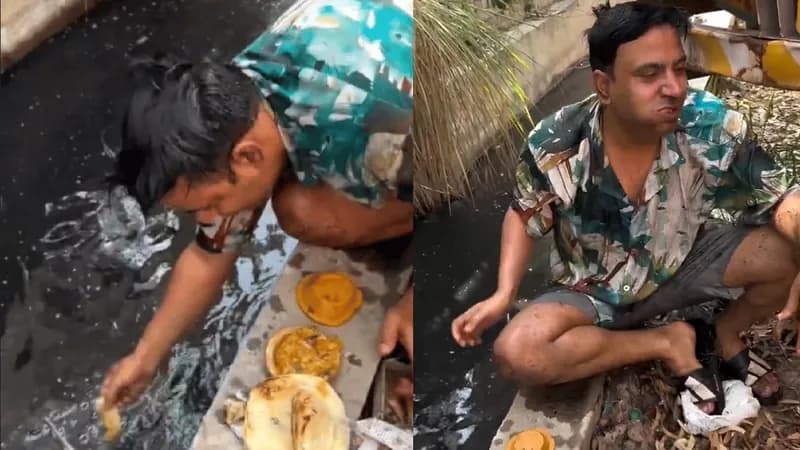
The Puneet Superstar viral video is the kind of clip that makes you stop scrolling, not because it’s fun to watch, but because it feels seriously disturbing. A clip allegedly featuring Puneet Superstar dipping food into sewage water and eating it has gone viral across platforms, triggering anger, disbelief, and a very serious conversation about how far people are willing to go for views.
Let’s be clear, this isn’t just “weird internet content.” This is a calculated shock stunt, and people are calling it out.
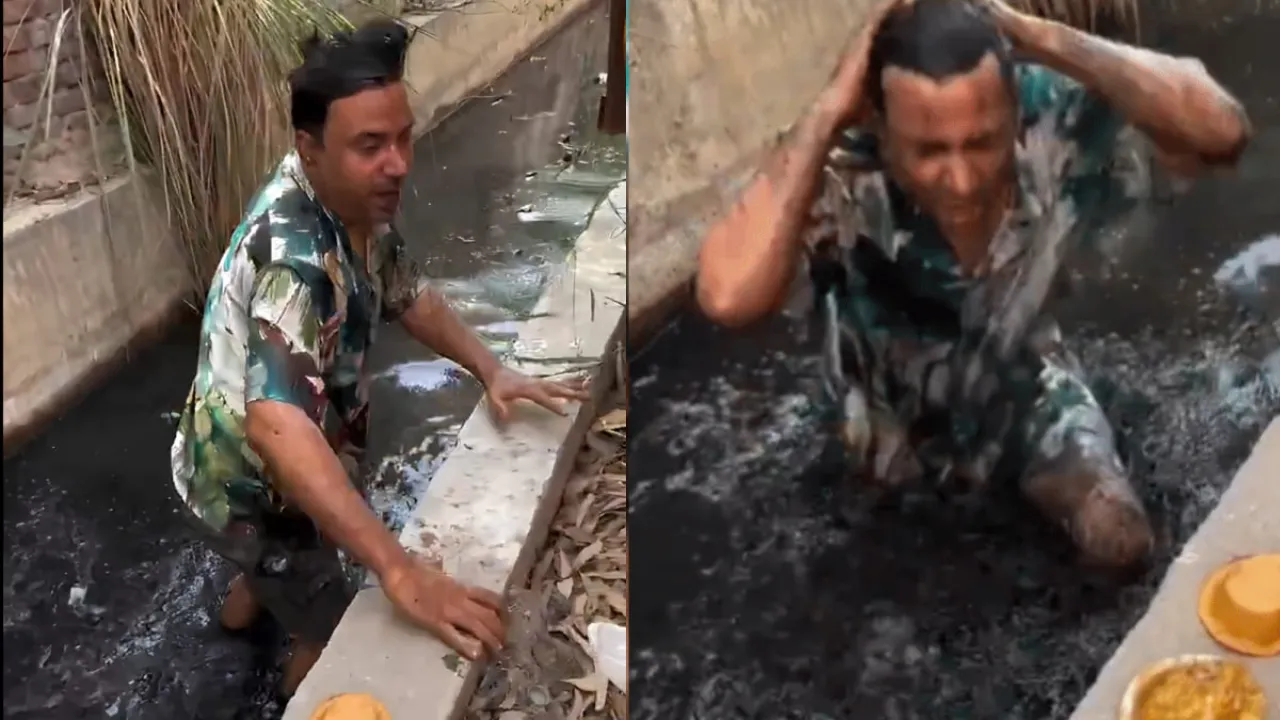
The now widely circulated clip, reshared on X by user @RaysTweetsss, shows the influencer standing near an open drain filled with dirty water. He jokingly calls the place a “nala cafe” and says he’s about to eat chole kulche.
Then comes the moment that made the internet erupt, he dips a piece of food into the sewage water, eats it on camera, and continues the act as if it’s completely normal content.
That single act turned a random video into a full-blown controversy. And honestly, it’s not hard to see why.
If India was half serious country.. this man would be in jail by now for tarnishing India’s image
— Rayhaan (@RaysTweetsss) April 29, 2026
He has been in forefront to distort India’s image for a mere payout.. he is doing it repeated for years & many followed his path. pic.twitter.com/wdQ9iuibpK
As expected, social media didn’t stay quiet. The comment sections quickly turned into a battleground of opinions.
Some reactions were straight-up furious:
Others tried to brush it off with sarcasm:
And then there were comments that went way beyond the video itself, dragging in politics, religion, and national image. That’s when things got messy. This is the internet at its peak chaos: one video, thousands of interpretations.
Here’s where things get uncomfortable, because this isn’t an isolated case. The Puneet Superstar viral video clearly shows a growing pattern in influencer culture, do something shocking, go viral, and then keep repeating it. And the worrying part is, it actually works.
Creators who cross the line, even in risky or questionable ways, often end up getting more views, more followers, and more money. That’s just how it works right now.
But honestly, at what cost? It raises real health concerns, makes unsafe behavior look normal, and slowly ruins the credibility of content creators. Call it what it is, this isn’t creativity, it’s just a desperate grab for attention.
There’s also another side to this debate that many people ignore. If such content keeps going viral, it means people are watching it.
That raises a tough question: Are influencers fully to blame, or is the audience equally responsible?
Because algorithms don’t care about ethics, they care about engagement. And right now, shock content is winning.
As someone who tracks viral trends daily, this feels like a tipping point. Not because the video is shocking, we’ve seen worse, but because of how normalized this behavior is becoming.
There’s a difference between edgy content and outright disturbing acts. This falls in the second category.
Calling it “just content” is honestly lazy. It ignores the larger issue of how far creators are pushing limits for digital validation.
So far, there’s no official action reported against the influencer. The video continues to circulate, and like most viral controversies, it may fade in a few days. But the conversation it started shouldn’t. Because today it’s sewage food stunts, tomorrow it could be something even more extreme.
The Puneet Superstar viral video isn’t just another trending clip, it’s a reflection of where social media culture is heading. And if this is the direction, we seriously need to rethink what we’re rewarding online. Because “views ke liye kuch bhi” might get clicks, but it also comes with consequences we shouldn’t ignore.