/
/
Discover Bajra Roti benefits, nutrition facts, and health advantages for digestion, weight loss, diabetes, and heart health. Gluten-free, nutritious food
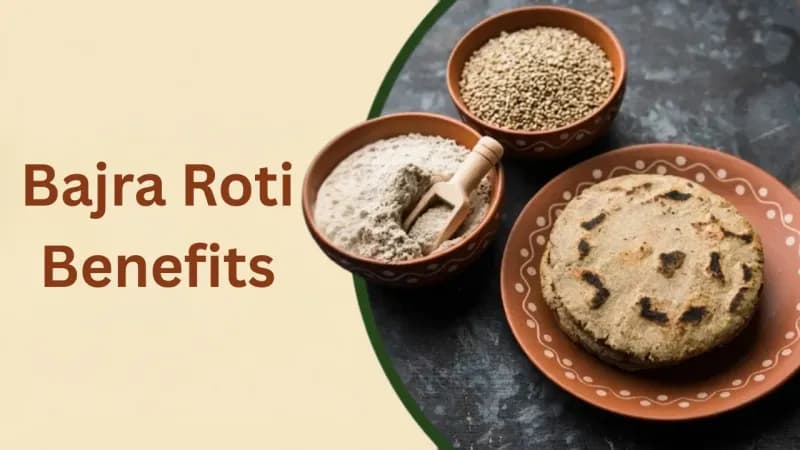
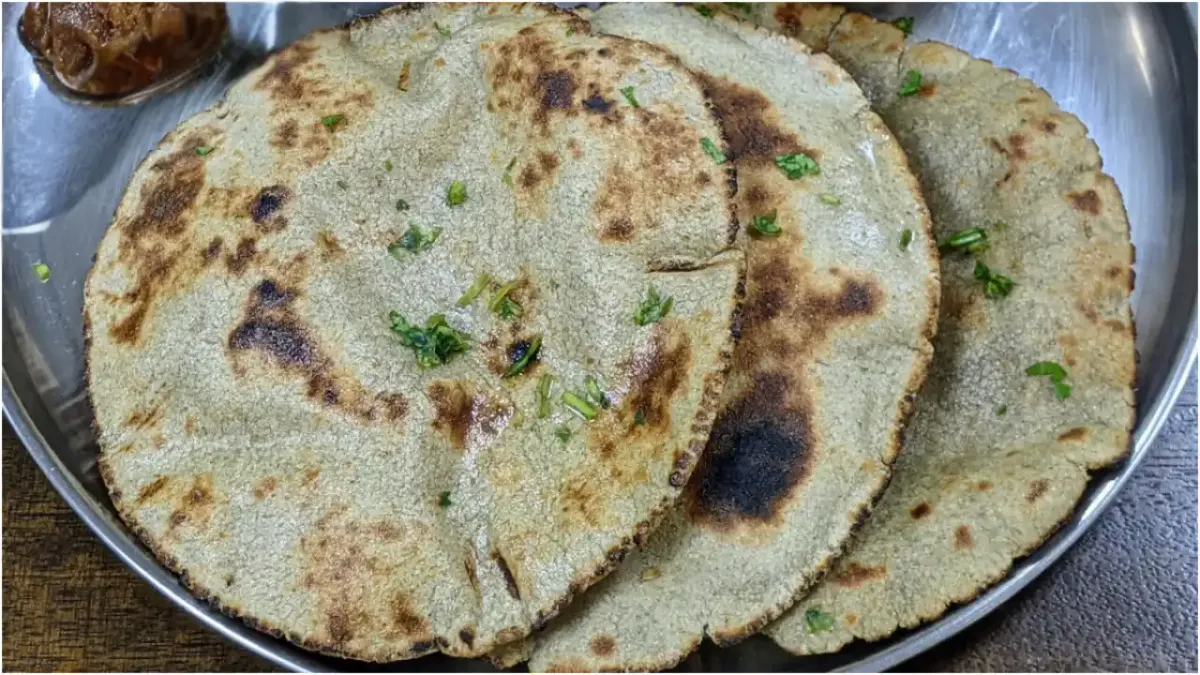
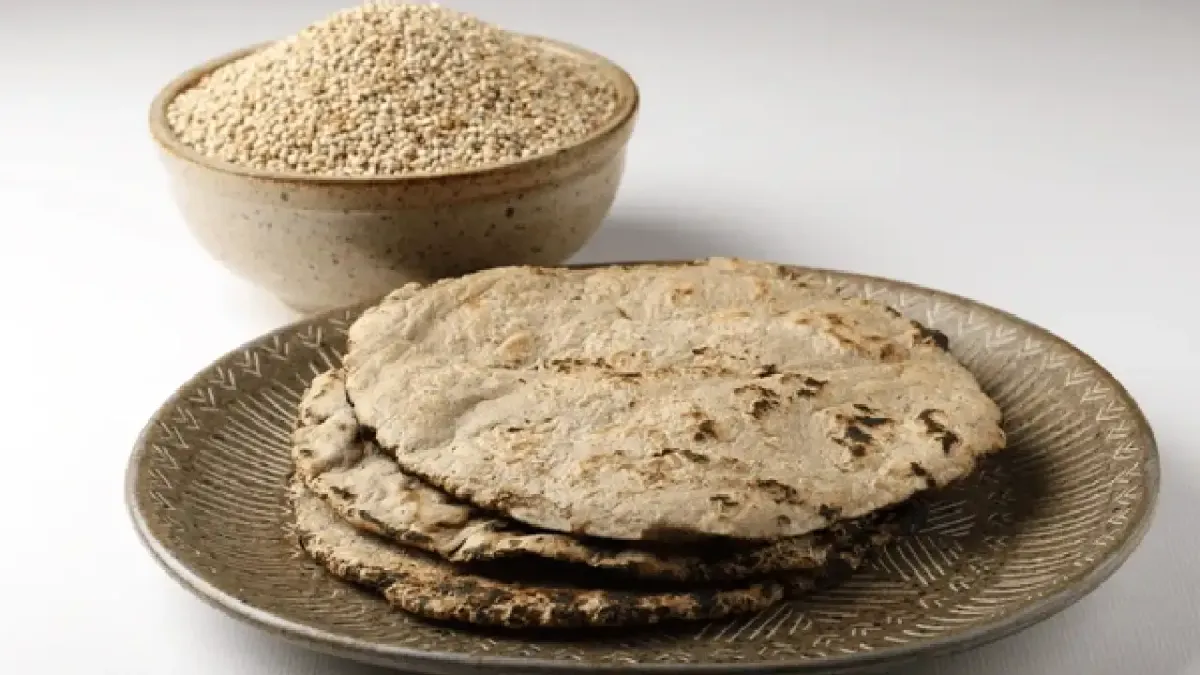
Bajra, also known as pearl millet. Bajra or pearl millet is a cereal grain which is very enriched with nutritious elements and it is gluten free millet. Bajra or pearl millet is very beneficial for health. Bajra roti is basically a chapati made from the bajra atta. In this blog, we will explore how much and in how many ways does the bajra roti have beneficiaries for the health.
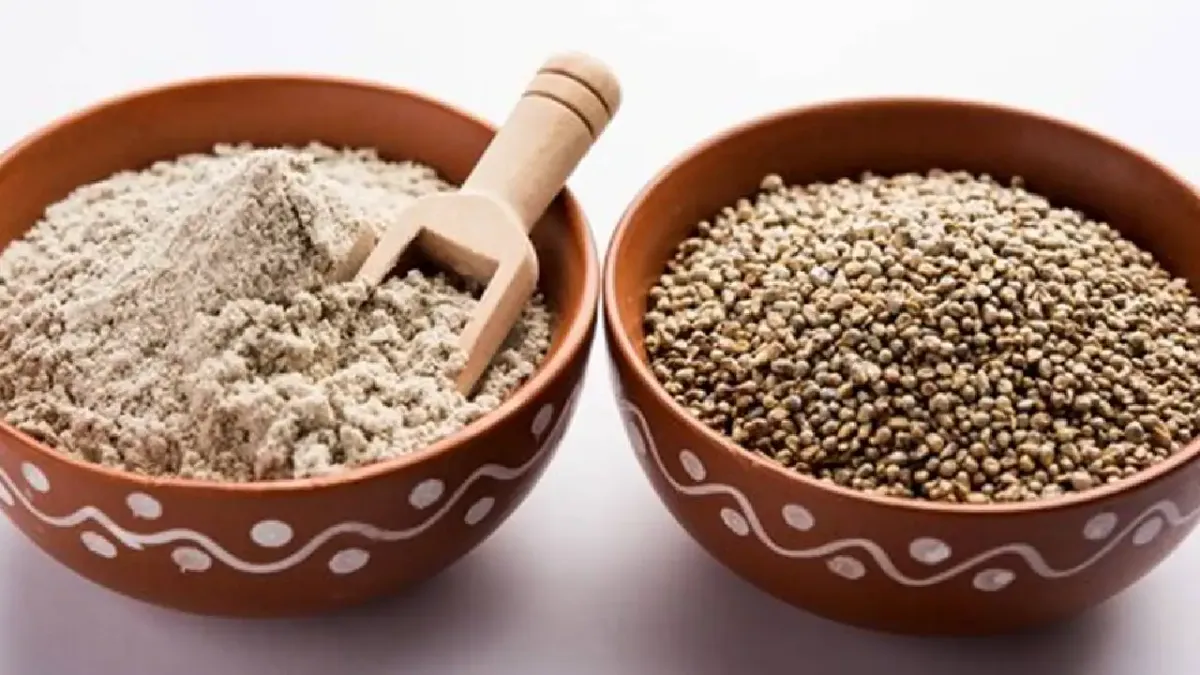
Bajra has a lot of nutritional value because it contains carbohydrates, proteins, dietary fibers, fats, minerals, vitamins and gives energy. Bajra provides 360 to 380 kcal of energy. It consists of 67 to 72 grams of carbohydrates, 10 to 12 grams of protein, 8 to 11 grams of dietary fibers and just 5 grams of healthy fat.
It comprises of minerals such as 42 milligrams of calcium, 2.8 milligrams of iron, 114 milligrams of magnesium, 285 milligrams of phosphorus, 308 milligrams of potassium and 1.7 milligrams of zinc. It also comprises of vitamins such as vitamin B1, that is thiamine, vitamin B2, that is riboflavin, vitamin B3, that is niacin and vitamin B6.
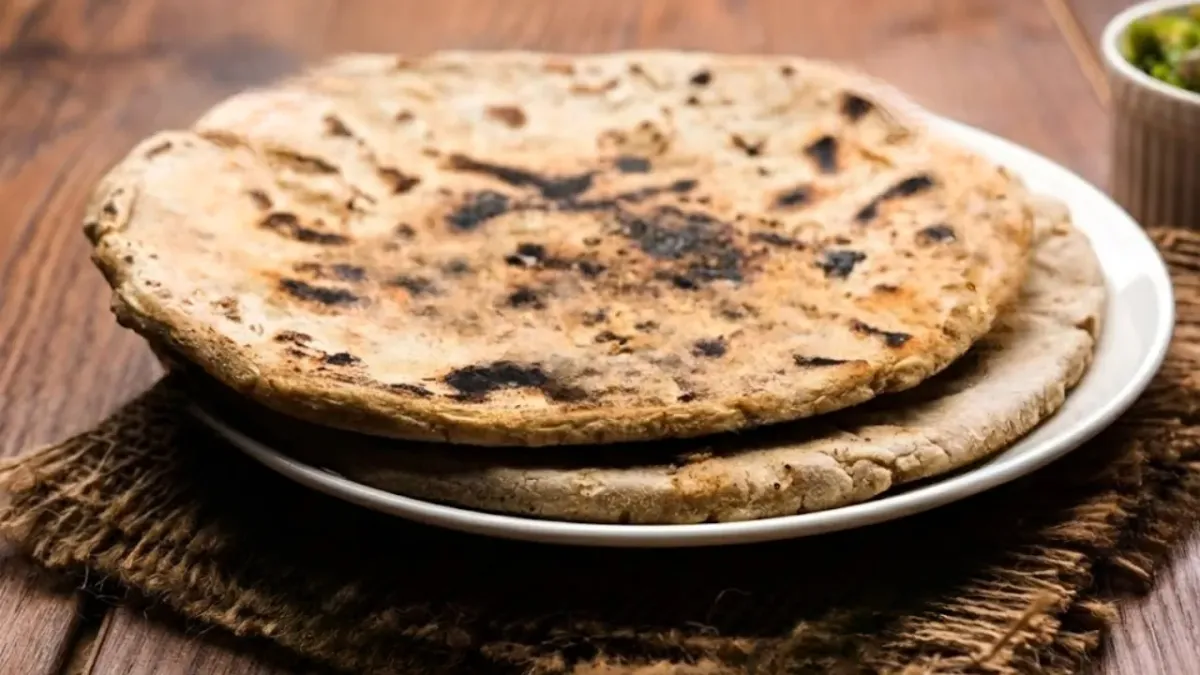
Roti made from bajra, that is bajra roti also has a lot of nutritional value because it contains carbohydrates, calories, proteins, fibers, fats and minerals. Bajra roti consists of 18 to 22 grams of carbohydrates, 100 to 120 kcal of calories, 3 to 4 grams of proteins, 2 to 3.5 grams of fibers and 1 to 2 grams of fat. It also comprises of minerals such as iron, magnesium, zinc and phosphorus.
Bajra roti helps in easing the functioning of the process of digestion. Bajra roti contains high fiber, complex carbs and proteins which helps in easing out because the high fiber content leads to adding bulk to stool that ensures the smoothness in the bowel movements and also helps in the prevention of constipation. The gluten free and prebiotic fiber nature of bajra roti helps in feeding the good gut bacteria resulting in the improvement of the gut health.
Bajra roti helps in the reduction of weight of the human body. Bajra roti contains high fiber and protein which helps in bringing a sense of feeling of fullness which leads to the prevention of over eating and thereby results in low calorie intake. It contains the complex carbs which helps in releasing the energy slowly. It also contains proteins which helps in preserving the muscle mass during the time of weight loss.
Bajra roti is very beneficial for the heart health because bajra roti contains fibers, magnesium and potassium. The fiber content helps in lowering the levels of bad cholesterol, that is low density lipoprotein. It contains magnesium that helps in relaxing the blood vessels and potassium helps in acting as a vasodilator, leading to widening the blood vessels. It also contains minerals which helps in the improved proper functioning of the cardiovascular system. It even contains antioxidants which helps in the prevention of the heart diseases.
Bajra helps in releasing the glucose slowly into the bloodstream of the body which helps in lowering the glycemic index and also helps in the prevention of sudden blood sugar spikes. It is really rich in dietary fiber and has high fiber content which helps in improving the process of digestion in the body and also helps in regulating the levels of blood sugar. It helps in improving the sensitivity of insulin through the regular consumption of bajra roti which leads to using the insulin much more effectively. It even contains magnesium which helps in supporting the better functioning of the glucose metabolism and the insulin action.
Read More: What Happens If You Stop Eating Wheat Roti For 21 Days? Health Benefits and Risks