/
/
Whoa!
Ordinals flipped a switch in the Bitcoin world, bringing inscriptions and a whole culture of collectibles to sats. My first reaction was a mix of awe and suspicion. The tech feels elegant and messy at once, which is exactly why I'm nerding out here—noisy, imperfect, but useful. Over time I realized this isn't just about images on-chain; it's about new primitives built on very old rules, and that has consequences that are both interesting and thorny.
Seriously?
Yep. On one hand ordinals are literal inscriptions tied to individual satoshis, letting you "stamp" data directly on bitcoin outputs, which historically has been taboo for some. Initially I thought this would be a tiny experiment, but then realized the scale really matters: people started minting BRC-20 tokens on top of that mechanism, using JSON blobs and ordinal inscriptions to emulate fungible tokens without a new consensus layer. On the other hand, though actually, the method is hacky — it leans on mempool behavior and relay policies — and that fragility creates both opportunities and risks.
Here's the thing.
If you're working with Ordinals and BRC-20s, your wallet choice becomes central. I use (and recommend checking) tools that understand inscriptions, manage UTXOs, and surface on-chain metadata so you don't accidentally spend a sat that carries value. For many people that means moving beyond light wallets that only track balances. A wallet that can view inscriptions, preview BRC-20 transfers, and integrate with hardware seed phrases reduces surprises.
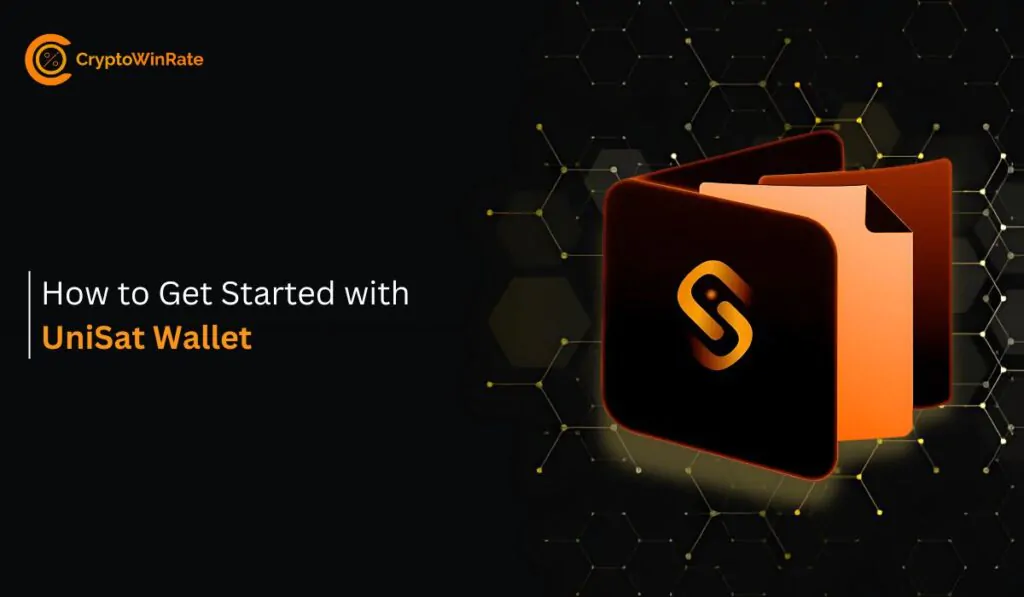
Okay, so check this out—wallets with Ordinal support do two jobs: they show you which sats carry inscriptions, and they help craft the exact outputs needed to preserve or transfer those inscriptions. I'm biased, but using a specialized extension or interface often saves you from losing tokens or accidentally burning an inscription. For hands-on folks, unisat is one of those entry points that gives an interface for browsing inscriptions and managing BRC-20 interactions, which is handy when you want to see what's actually on-chain before you click send. Still, treat any extension like a hot wallet — don't keep large long-term holdings there without extra protections.
Hmm...
Mechanically, Ordinals map serial numbers to individual sats and then use scriptPubKey and witness data to store arbitrary content, which gets propagated through nodes just like any other transaction. BRC-20s then piggyback by inscribing JSON that encodes minting or transfer intent; marketplaces and indexers read those inscriptions and interpret token state off-chain. That off-chain interpretation is both liberating and fragile, because consensus about token balances happens in application logic rather than Bitcoin consensus rules, and that matters for custody and dispute resolution. So, you need to be aware of the indexer or marketplace your tooling trusts — different indexers sometimes disagree about which inscription counts first, especially during congestion or reorgs.
Whoa!
Fees are the next pragmatic headache: because inscriptions are data-heavy, they inflate transaction size and push feerates up. Short term, that can make minting and moving BRC-20s expensive. Longer term, it raises philosophical debates about chain utility versus bloat, and that debate affects node operators and the ecosystem's social consensus. Expect volatility in both fee and marketplace liquidity; what looks cheap today might be very pricey tomorrow if a popular minting wave kicks off again.
I'll be honest — this part bugs me.
Some users think treating Bitcoin like a database for arbitrary content is harmless, though actually there are trade-offs in node resource costs and archival size that node operators care about. On the other other hand, inscriptions can unlock creative new use cases and revenue for artists, devs, and collectors, and I'm not dismissing that. The real question is governance: who decides acceptable use, and how do wallets and indexers enforce norms without centralizing power? My instinct said "community norms," but I've seen incentive misalignments tilt outcomes quickly.
Practical tips — short list.
Keep inscriptions separate from your spending UTXOs; consolidate thoughtfully and avoid dust outputs that could accidentally carry ordinals into normal spends. Use wallets that show inscribed sats explicitly before you authorize a transaction, and if possible, connect a hardware signer when moving high-value items. Track which indexer your marketplace uses — that determines how tokens are counted and can affect transfers during mempool chaos. Lastly, double-check receivers: sending an inscription to a custodial address that doesn't support reading Ordinals is a fast way to lose access.
Initially I thought cold-storage was straightforward, but then realized there's nuance.
Cold storage still protects seed phrases, of course, but you also need a way to restore and reconstruct UTXO and inscription view when you recover; some recovery flows don't automatically show Ordinals without replaying indexers. So if you're moving high-value BRC-20s, document which indexer(s) you used and keep a small non-critical test transfer plan. I'm not 100% sure every wallet handles this cleanly yet (spoiler: many don't), so plan for manual reconciliation if you ever restore a wallet from seed.
Some closing, imperfect thoughts.
Bitcoin Ordinals and BRC-20s are messy in a good way — they force us to reckon with what Bitcoin can and should be used for. They're also a reminder that the strength of the stack lies in tooling: indexers, explorers, and wallets shape user outcomes as much as protocols do. If you play here, be curious and cautious; treat wallets like tools, not conveniences, and keep learning. Somethin' tells me this space will keep surprising us.
It's data attached to a specific satoshi via transaction witness or output data, allowing content (images, text, JSON) to be stored and later read by indexers and compatible wallets. Because inscriptions travel with transactions, preserving them requires careful UTXO management.
BRC-20s use inscriptions to embed JSON that signals mint or transfer intents; token state is reconstructed off-chain by reading inscriptions in order. That off-chain nature makes BRC-20s flexible, but also dependent on indexers and application logic for accurate balances.
Not all wallets support viewing or preserving inscriptions. Use a wallet that explicitly supports Ordinals (for example, the unisat interface) and prefer hardware-backed signers for valuable holdings. Note: only one link is shown here for reference.