Ethanol ATM: Government Looks Beyond E20, Plans New Uses for Ethanol
India's ethanol programme is now moving beyond blending ethanol with petrol. After achieving the E20 target, the government is exploring new ways to use ethanol, including cooking fuel, Ethanol ATMs, Sustainable Aviation Fuel (SAF), flex-fuel vehicles, and exports.


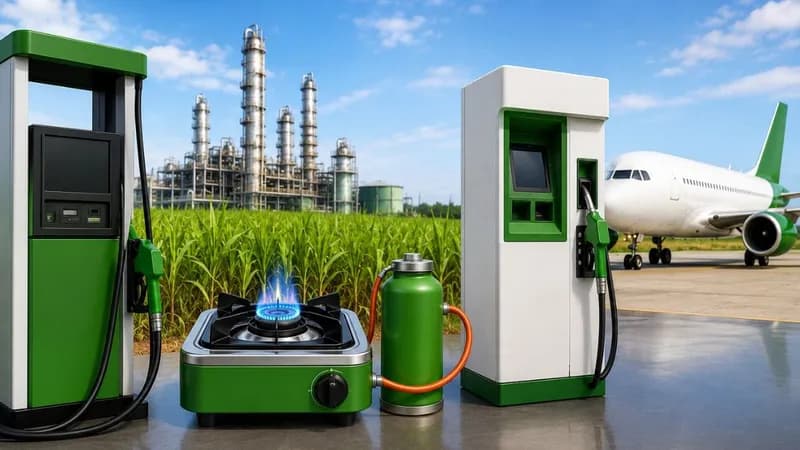
India's ethanol programme is now moving beyond blending ethanol with petrol. After achieving the E20 target, the government is exploring new ways to use ethanol, including cooking fuel, Ethanol ATMs, Sustainable Aviation Fuel (SAF), flex-fuel vehicles, and exports. The aim is to make better use of the country's growing ethanol production capacity and further strengthen the biofuel sector.
E20 Success Creates a New Challenge
Over the past decade, India's ethanol blending programme has expanded significantly. Ethanol blending in petrol has increased from around
1.5% to 20%, helping reduce crude oil imports, improve farmers' income, and support the domestic biofuel industry.
According to the government, ethanol blending has helped India save more than ₹1.4 lakh crore in foreign exchange since 2014-15.
This policy also encouraged sugar mills and grain-based distilleries to invest heavily in new production facilities across states such as Uttar Pradesh, Bihar, and Maharashtra. However, ethanol production capacity has now grown faster than demand.
Ethanol Production Capacity Exceeds Demand
According to a CareEdge Ratings report, India's ethanol production capacity has crossed 20 billion litres per year. Around 4 billion litres of additional capacity is expected to be added during the current financial year, taking the total capacity to nearly 24 billion litres. In comparison, the E20 blending programme requires about 11 billion litres of ethanol annually. The liquor, pharmaceutical, and chemical industries together consume another 3–3.5 billion litres. This means nearly 7 billion litres of production capacity remains underutilised, prompting the government to look for new applications.
Ethanol Could Soon Be Used as Cooking Fuel
According to reports, the government is considering the use of ethanol as a household cooking fuel. A proposed Ethanol ATM model would allow consumers to refill specially designed ethanol canisters, which can then be used with compatible cooking stoves. If implemented, the initiative could reduce dependence on LPG and help lower India's fuel import bill. The government also believes ethanol, being produced domestically, can support farmers and strengthen the rural economy.
Exports and Aviation Offer New Growth Opportunities
Apart from increasing domestic consumption, India is also exploring ethanol export opportunities. Countries such as Nepal, Bangladesh, and Indonesia have ethanol blending targets but limited domestic production, making them potential export markets. The aviation sector could also become a major source of demand. The government has prepared a roadmap to increase the use of Sustainable Aviation Fuel (SAF). The targets include:
- 1% SAF blending by 2027 for international flights
- 2% blending by 2028
- 5% blending by 2030
SAF can be produced using ethanol-to-jet fuel technology. In this direction, NTPC Green Energy and GPS Renewables are developing India's first ethanol-to-jet fuel plant near Visakhapatnam.
With ethanol production capacity growing rapidly, the government is working to create new demand beyond fuel blending. Initiatives such as Ethanol ATMs, cooking fuel, exports, and aviation fuel could help utilise excess production while supporting India's clean energy and biofuel goals.