Betwa River Revival: A New Lease of Life for the Betwa; MP Government's Major Plan Under 'Namami Gange' Mission
If everything goes according to plan, the face of the Betwa River—considered one of Madhya Pradesh's most important rivers—could undergo a complete transformation in the coming years


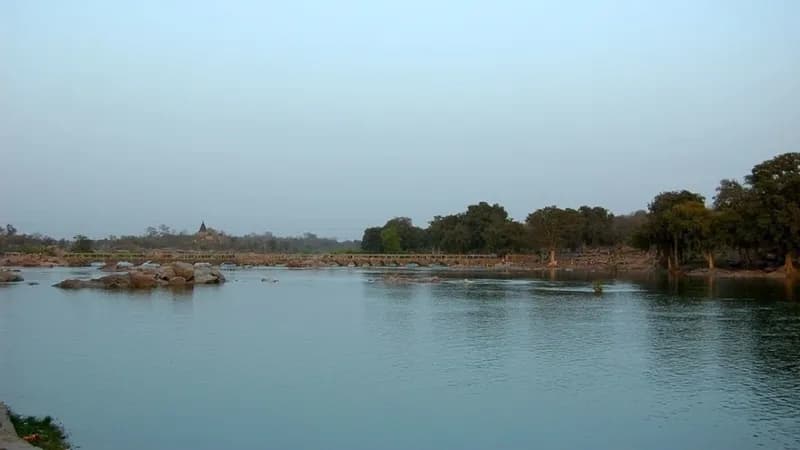
If everything goes according to plan, the face of the Betwa River—considered one of Madhya Pradesh's most important rivers—could undergo a complete transformation in the coming years. The Madhya Pradesh government is preparing on a large scale to restore the river—which has long struggled with pollution, sewage discharge, industrial waste, and water hyacinth infestations—to a clean and vibrant state.
This is not merely a river cleaning drive. This time, the government is working on a plan to scientifically rejuvenate the entire river ecosystem, ensuring that future generations inherit a clean, free-flowing Betwa River.
Preparing to Revitalize the Entire River Ecosystem, Not Just Clean It
The government views this project as a long-term mission. To this end, departmental engineers and officials in the capital, Bhopal, are undergoing specialized technical training. The objective of this training is to prepare a Detailed Project Report (DPR) for the Betwa River that not only addresses current issues but also establishes a robust strategy to protect the river from pollution in the future.
The new DPR will involve a study of every aspect of the river. It will cover several critical areas, including identifying pollution sources, sewage management, controlling industrial waste, preventing riverbank erosion, conserving biodiversity, and ensuring the participation of local communities.
Starting with the Betwa’s Most Critically Affected Areas
The Betwa River originates in the Jhiri region, located within the forests of Raisen district. While the water is quite clean at the source, the river's condition deteriorates rapidly as it flows through the districts of Bhopal, Raisen, and Vidisha.
A major cause for concern is the stretch where Bhopal's Kaliasot River merges with the Betwa near Bhojpur. Large quantities of polluted water flow into the river at this point, causing a continuous decline in water quality. Similarly, a large stretch of the river near Mandideep has become covered with water hyacinth. Water hyacinth not only disrupts the river's natural flow but also reduces oxygen levels in the water, thereby endangering aquatic life.
For these reasons, the government has currently designated the districts of Bhopal, Raisen, and Vidisha as the primary focus areas for this campaign.
Sewage and Toxic Industrial Effluent Pose the Biggest Challenge
Untreated urban sewage and industrial waste are considered the primary causes of pollution in the Betwa River. A large number of industries have been operating in the Mandideep industrial area for years, yet adequate sewage treatment infrastructure has not been developed there to date.
Consequently, polluted water discharged from factories is flowing directly into the river at several locations. This impact is not limited to the river itself; it is also affecting the quality of groundwater and nearby agricultural fields.
For this reason, the government is now prioritizing the strengthening of sewage treatment systems. Engineers from the urban local bodies of Bhopal, Raisen, and Vidisha are being trained by experts in modern technologies to ensure that wastewater is treated before it reaches the river.
Namami Gange' Mission Now Focusing Heavily on Tributaries Like the Betwa
The 'Namami Gange' Mission was launched in 2014 with the aim of controlling pollution and ensuring the conservation of the Ganga River and the states situated along its banks. While the first phase focused primarily on states along the Ganga's course, the second phase expanded to include states where the river's tributaries flow.
Madhya Pradesh is a crucial part of this second phase, as a significant portion of the state falls within the Ganga basin. Thirty-four districts and 283 urban local bodies in the state are part of this basin. Major rivers such as the Chambal, Betwa, Sindh, Kali Sindh, Dhasan, Ken, Shipra, Gambhir, Tons, Son, and Parvati flow through this region; their conservation is considered vital for the entire Ganga river system.
Projects Worth ₹824.57 Crore Already Approved for Madhya Pradesh
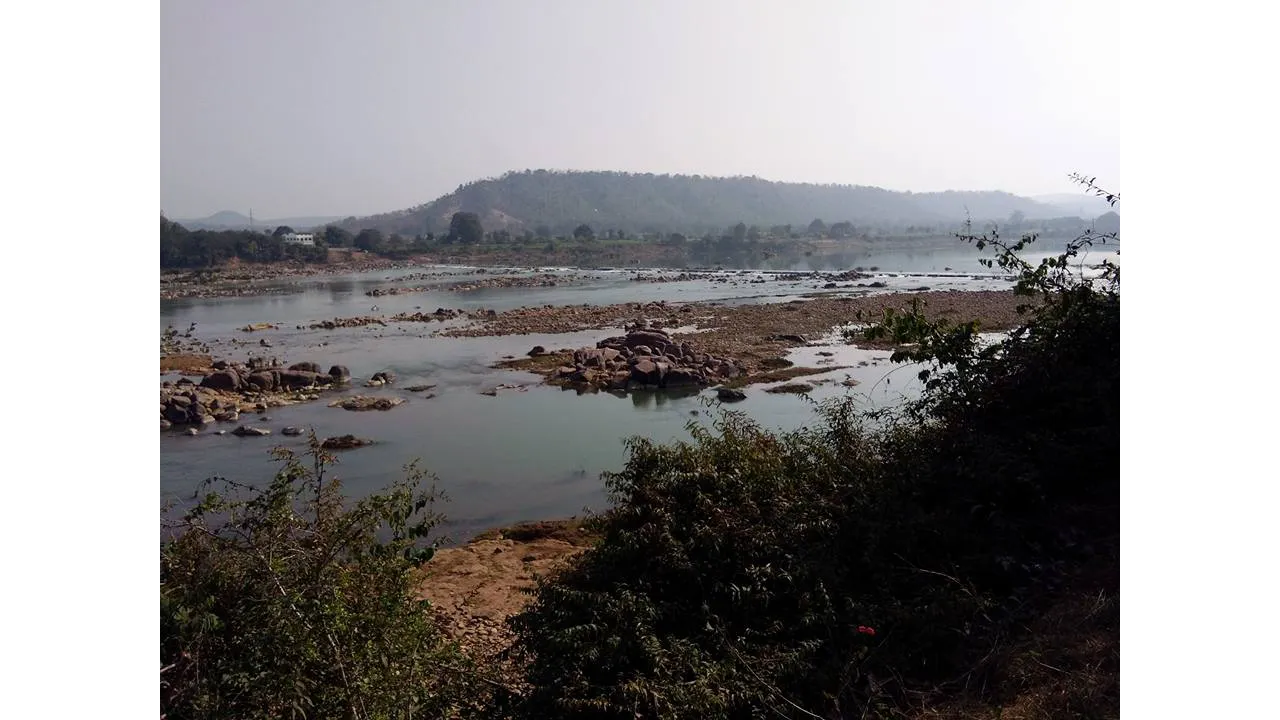
Under the second phase of the 'Namami Gange' Mission, Madhya Pradesh has already received approval for eight major projects worth ₹824.57 crore. The Central Government is providing 100% financial assistance for all these schemes. The largest among these is the pollution control project for the Khan and Saraswati rivers in Indore, with an approved cost of ₹511.15 crore. Under this initiative, additional decentralized sewage treatment plants are being developed; contracts worth approximately ₹416.46 crore have already been awarded.
Additionally, ₹101.57 crore has been sanctioned for works related to interception, diversion, and sewage treatment in Ujjain, while ₹65.98 crore will be spent on a similar project in Nagda.
A plan worth ₹39.24 crore has been approved for the rejuvenation and development of the Morar River in Gwalior. Furthermore, ₹32.44 crore will be spent on the second phase of the Morar riverfront development.
A project worth ₹31.88 crore has been sanctioned for the construction of new *ghats* (riverfront steps) along the Mandakini River in Chitrakoot, while work is underway on a ₹28.91 crore plan for the environmental upgradation of the Shivna River in Mandsaur.
Under this same mission, approval has also been granted for ₹13.40 crore to equip four laboratories of the Madhya Pradesh Pollution Control Board (MPPCB) with modern instruments, enabling more effective monitoring and testing of river pollution.
Can the face of the Betwa River truly be transformed?
Several plans regarding the Betwa River have been formulated in the past, but this time, the government's focus extends beyond mere cleanup drives. The project is being designed by integrating various aspects such as scientific studies, modern sewage management, control of industrial pollution, riverbank conservation, and the participation of local communities.
If these plans are implemented correctly and on schedule, the Betwa River could not only become pollution-free in the coming years but also serve as a successful model for river conservation in Madhya Pradesh. This would benefit the environment and yield positive impacts on agriculture, drinking water supplies, biodiversity, and the local economy. The rejuvenation of the Betwa River is not merely a government project, but an effort to safeguard the natural heritage upon which the lives and futures of millions depend.